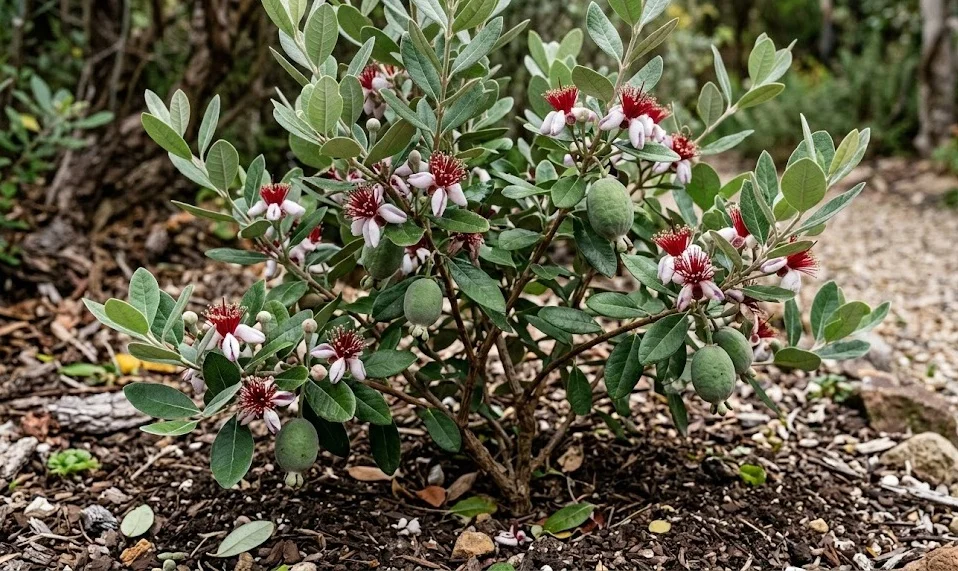

Mastering the art of pruning and cutting back the pineapple guava is essential for maintaining a healthy structure and ensuring a consistent supply of fruit. This shrub is naturally vigorous and can become quite dense and overgrown if left to its own devices for too many years. Through strategic pruning, you can control the size of the plant, improve its aesthetic form, and enhance the quality of the harvest by allowing more light and air into the canopy. Whether you are aiming for a formal hedge or a productive specimen tree, the right techniques will make all the difference.
Structural pruning for young trees
The early years of a pineapple guava’s life are the best time to establish a strong and balanced structural framework. You should focus on selecting a few main branches that are well-spaced and have wide angles of attachment to the trunk. These primary limbs will form the skeleton of the plant and must be strong enough to support the weight of heavy fruit crops in the future. Removing any narrow-angled or competing branches early on prevents the risk of splitting and structural failure as the shrub matures.
If you prefer a tree-like form, you can gradually remove the lower branches over several seasons to reveal a clean and attractive trunk. This “limbing up” process makes it easier to maintain the area under the plant and provides a more formal look for a garden specimen. You should be careful not to remove too much at once, as the leaves are necessary for the young plant to generate energy for its growth. A slow and steady approach to shaping the plant is always better than making drastic changes in a single year.
For those using the pineapple guava as a hedge or a screen, structural pruning involves encouraging a dense and bushy habit from the ground up. You can tip-prune the main stems to stimulate the growth of lateral branches, which will help fill in any gaps in the foliage. Regular light trimming during the first few years will ensure that the hedge remains thick and provides the desired level of privacy. This foundational work pays off in a more resilient and attractive landscape feature that requires less intensive maintenance later on.
Always use sharp and clean tools when performing structural pruning on young plants to ensure that the cuts heal quickly and cleanly. Small hand pruners are usually sufficient for the first few years, but you may need a small saw for larger structural branches as the plant grows. Making your cuts just above a outward-facing bud will encourage the new growth to expand away from the center of the plant. Taking the time to do it right from the beginning will save you many hours of corrective work in the future.
More articles on this topic
Maintenance and thinning techniques
Once the basic structure is established, the focus of pruning shifts to maintaining the health and productivity of the mature shrub. You should start by removing the “three Ds”: any wood that is dead, damaged, or diseased, as these can be entry points for pests and pathogens. This simple task can be performed at any time of the year and provides an immediate benefit to the plant’s overall vitality. Keeping the interior of the plant clear of dead twigs also improves the visual appearance of the shrub.
Thinning out the center of the canopy is one of the most important maintenance tasks for ensuring high-quality fruit production. A dense interior creates a humid microclimate that can encourage fungal diseases and prevents sunlight from reaching the ripening fruit. You should identify and remove some of the smaller, crossing, or inward-growing branches to allow more light and air to circulate through the heart of the plant. This practice not only improves the harvest but also makes it much easier to spot any potential health issues during your regular inspections.
Renewal pruning is another technique used on older shrubs to stimulate the growth of fresh, productive wood from the base. This involves removing one or two of the oldest, least productive branches each year to make room for vibrant new stems. Over time, this process rejuvenates the entire plant without causing the shock that would result from a more radical cutting back. A plant that is regularly renewed in this way will remain productive and vigorous for many decades, providing a steady supply of fruit and flowers.
When thinning, always look for branches that are rubbing against each other, as this can cause physical damage to the bark and create a site for infection. Removing the weaker of the two branches will resolve the conflict and allow the remaining one to grow more strongly. You should also trim away any suckers that appear at the base of the plant, as these draw energy away from the main structure and can create a messy appearance. Consistent, thoughtful maintenance is the key to a beautiful and high-performing pineapple guava.
More articles on this topic
Timing and tool maintenance
The best time to perform major pruning on the pineapple guava is in the early spring, just before the new growth begins and the buds start to swell. This allows the plant to heal its wounds quickly using the surge of energy that comes with the spring growth flush. Pruning at this time also ensures that you do not remove the flower buds that will produce the current season’s crop, as these are formed on the new wood. If you prune too late in the spring, you might accidentally reduce your harvest for that year.
Light maintenance and the removal of dead wood can be done throughout the growing season as needed without harming the plant. However, you should avoid heavy pruning in the late summer or autumn, as this can stimulate soft new growth that will not have time to harden off before the winter. This tender growth is much more susceptible to frost damage and can weaken the entire plant’s winter resilience. Timing your pruning activities to match the natural cycle of the shrub is essential for its long-term health.
Keeping your pruning tools in top condition is not just a matter of convenience; it is a vital part of plant healthcare. Dull blades can crush the stems instead of cutting them, leading to ragged wounds that take much longer to heal and are more prone to infection. You should sharpen your pruners and saws regularly and clean them with alcohol after each use to prevent the spread of diseases between plants. A clean, sharp cut is the kindest thing you can do for your shrubs when it comes to pruning.
Finally, always remember that every cut you make should have a specific purpose, whether it is for health, shape, or fruit production. Before you start, take a few minutes to stand back and look at the entire plant to decide what needs to be removed and what should stay. It is much easier to take a branch off than it is to wait for it to grow back, so proceed with caution and a clear plan. With a little bit of practice and observation, you will develop a natural feel for the pruning needs of your pineapple guava.