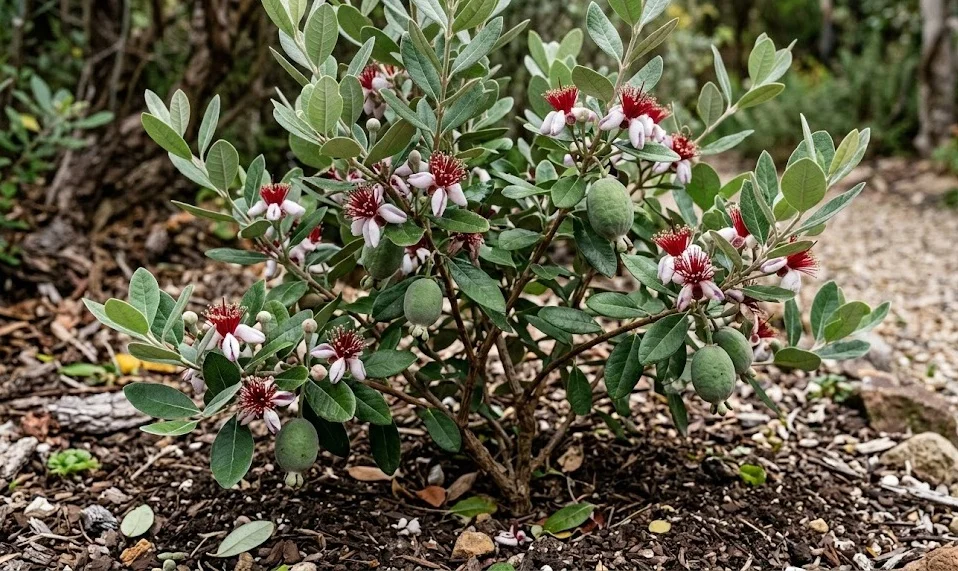

Establishing a comprehensive care routine for the pineapple guava requires a deep understanding of its Mediterranean-like preferences and its resilient nature. This evergreen shrub offers both aesthetic beauty and delicious fruit, making it a favorite for diverse landscapes and home orchards. To achieve the best results, one must consider the specific environmental factors that influence its growth cycle throughout the year. Proper maintenance ensures that the plant remains healthy, productive, and visually appealing for decades to come.
The foundation of healthy growth
Providing the right environment starts with selecting a location that mimics the plant’s native highland habitats. These shrubs thrive in conditions where the air is fresh and the soil allows for excellent drainage without drying out completely. You should observe your garden’s microclimate to ensure there is enough airflow to prevent stagnant humidity. A well-placed specimen will show its gratitude through glossy foliage and a robust root system that anchors it firmly.
The general health of the plant is often a reflection of how well its basic needs are met during the first few growing seasons. Consistency is the primary factor when it comes to long-term success with this particular species in a temperate climate. You should monitor the plant’s reaction to local weather patterns and adjust your care according to the specific season. A proactive approach to gardening will always yield better results than simply reacting to visible signs of stress or poor growth.
Soil quality plays a pivotal role in the overall vitality of the shrub and its ability to produce high-quality fruit. While these plants are known for their adaptability, they truly excel in loamy soils enriched with organic matter that supports microbial life. You should aim for a soil structure that feels crumbly and holds a moderate amount of moisture while allowing excess water to pass through. Regular testing of the soil can provide insights into whether the plant is getting the foundation it deserves for optimal development.
Environmental stressors such as extreme wind or prolonged drought can hinder the growth of the pineapple guava if not addressed properly. Providing a windbreak or choosing a sheltered spot can prevent the delicate silver-backed leaves from suffering mechanical damage. You might notice that protected plants grow more symmetrically and maintain their ornamental value throughout the winter months. Ultimately, a balanced environment is the best defense against the various challenges that a garden plant might face over time.
More articles on this topic
Maintaining ideal soil conditions
The chemical composition of the soil significantly affects how nutrients are absorbed by the plant’s root system. These shrubs prefer a slightly acidic to neutral pH range, which allows for the efficient uptake of essential minerals. You should avoid areas with high lime content or alkaline conditions, as this can lead to yellowing of the leaves and stunted growth. If your local soil is naturally alkaline, consider incorporating peat moss or sulfur to create a more favorable environment.
Drainage is perhaps the most critical aspect of soil management for this species to prevent root-related issues. The roots are sensitive to standing water, which can quickly lead to oxygen deprivation and the onset of rot. You can improve heavy clay soils by adding coarse sand or well-rotted compost to increase the pore space between soil particles. Raised beds are often an excellent solution for gardeners dealing with heavy or poorly draining ground conditions.
Mulching is a simple yet highly effective way to maintain the integrity of the soil around your pineapple guava. A thick layer of organic mulch, such as wood chips or shredded bark, helps to regulate soil temperature and conserve moisture. This practice also suppresses weed growth, which reduces competition for the nutrients available in the topsoil. As the mulch breaks down, it gradually adds valuable organic matter back into the earth, improving the overall soil structure.
Compaction is a common problem in established gardens that can limit the spread of the shrub’s root system. You should avoid walking directly over the root zone and keep heavy machinery away from the base of the plant. If the soil becomes too hard, a gentle aeration with a garden fork can help restore the flow of air and water to the roots. Maintaining a soft, breathable soil environment ensures that the plant can expand its reach and access the resources it needs.
More articles on this topic
Managing seasonal shifts
As spring arrives, the plant begins a period of rapid growth and prepares for its unique flowering stage. This is the ideal time to inspect the shrub for any winter damage and provide a light feeding to jumpstart the season. You will see new shoots emerging, and it is important to ensure the plant has adequate moisture during this transitional phase. Observing the timing of the first blossoms can help you predict the harvest period for the coming autumn.
During the height of summer, the primary focus of care shifts toward moisture retention and heat management. While the pineapple guava is relatively heat-tolerant, extreme temperatures can cause the developing fruit to drop prematurely. You should ensure that the watering schedule is adjusted to compensate for the higher evaporation rates during these hot months. Providing some afternoon shade in particularly scorching climates can help the plant maintain its vigor and fruit quality.
The transition into autumn marks the final stages of fruit ripening and a slowing of vegetative growth. You should reduce nitrogen-heavy fertilization at this time to allow the new wood to harden off before the arrival of cold weather. This is also the period when the unique flavor of the fruit intensifies as the nights become cooler and the days remain mild. Monitoring the firmness of the fruit will tell you exactly when the plant has completed its seasonal mission.
Winter care involves protecting the plant from the harshest elements while it enters a semi-dormant state. Even though it is evergreen, the plant still needs a period of rest to prepare for the next year’s reproductive cycle. You should clear away any fallen fruit or debris from the base of the plant to prevent the overwintering of pests. Checking the moisture levels occasionally is still necessary, as the roots should not be allowed to dry out completely during the winter.
Enhancing biodiversity and pollination
Pollination is a fascinating aspect of caring for this plant, as it often relies on birds or specific insects to move pollen. The fleshy, sweet petals of the flowers are edible and often attract birds that assist in the pollination process as they feed. You can increase the chances of a successful fruit set by planting more than one variety to encourage cross-pollination. Even self-fertile varieties tend to produce larger and more consistent crops when multiple plants are present in the garden.
Attracting beneficial insects to your garden creates a balanced ecosystem that supports the health of the pineapple guava. Planting native wildflowers nearby can ensure a steady population of bees and other pollinators throughout the flowering season. You should avoid using broad-spectrum insecticides during the blooming period to protect these vital garden visitors. A diverse garden environment not only helps with fruit production but also keeps potential pest populations in check naturally.
Manual pollination is an option for gardeners who want to guarantee a high yield or who have limited pollinator activity. You can simply use a small paintbrush to transfer pollen from the stamens of one flower to the stigma of another. This technique is particularly useful for container-grown plants kept in sheltered areas where natural pollinators might not reach. Spending a little time each day during the peak of flowering can make a significant difference in the final harvest.
The interaction between the plant and the local wildlife adds another layer of enjoyment to the gardening experience. Watching birds interact with the colorful flowers provides a direct connection to the natural processes that sustain the landscape. You should consider the plant as part of a larger living system rather than an isolated object in the yard. By fostering a bird-friendly environment, you are directly contributing to the success and vitality of your pineapple guava.
Optimizing the canopy for fruit
The internal structure of the shrub determines how much sunlight reaches the center of the plant, which is vital for fruit ripening. A dense, overgrown canopy can lead to poor air circulation and lower fruit quality due to excessive shading. You should aim to keep the center of the plant relatively open to allow light and air to penetrate the interior branches. This practice not only improves the harvest but also makes it easier to spot any potential health issues.
Fruit thinning is sometimes necessary if the plant produces an overly heavy crop that could strain the branches. While it might be tempting to keep every developing fruit, removing some of the smaller ones allows the remaining ones to grow larger. You should perform this task early in the season when the fruits are about the size of a marble. This ensures that the plant’s energy is directed toward producing the highest quality fruit rather than a large quantity of inferior ones.
The position of the fruit on the branches also dictates how well it will develop and when it will reach maturity. Fruits that are exposed to consistent sunlight tend to have a better flavor profile and a more appealing aroma. You should observe which parts of the shrub are the most productive and try to replicate those conditions through careful pruning. Maintaining a balance between old wood and new growth is essential for a steady supply of fruiting sites each year.
As the harvest approaches, you should prepare for the unique way this plant signals that its fruit is ready. Unlike many other fruits, these usually drop to the ground when they have reached peak ripeness and flavor. You can place a clean layer of straw or a soft mesh under the plant to cushion the fall and keep the fruit clean. Regularly collecting the fallen fruit ensures that you enjoy them at their best and prevents them from attracting unwanted garden visitors.
Nutrient management and organic support
A well-fed plant is better equipped to resist diseases and produce a bountiful harvest of flavorful fruit. You should focus on providing a balanced supply of nutrients that supports both leaf growth and reproductive development. Organic fertilizers, such as composted manure or seaweed extracts, offer a slow-release source of minerals that benefits the soil biology. Applying these amendments in early spring provides the necessary boost as the plant awakens from its winter rest.
Micro-nutrients like zinc and manganese are often overlooked but are essential for the metabolic processes of the pineapple guava. A deficiency in these elements can manifest as mottled leaves or poor fruit development, even if major nutrients are present. You can address these needs by using a complete organic fertilizer that includes a range of trace elements. Maintaining a healthy soil pH is the best way to ensure that these micro-nutrients remain available for the plant to absorb.
The use of compost tea or liquid fertilizers during the growing season can provide a quick boost when the plant is working hard to produce fruit. These applications are particularly effective during the late spring and early summer when growth is most vigorous. You should apply liquid feeds to the base of the plant to ensure the nutrients reach the root zone directly. Regular feeding throughout the season helps the plant maintain its dark green foliage and overall structural integrity.
Sustainability should be at the heart of your fertilization strategy to ensure long-term garden health. By focusing on building soil fertility rather than just feeding the plant, you create a more resilient and self-sustaining environment. You should avoid over-fertilizing, as this can lead to excessive leaf growth at the expense of fruit production and can weaken the plant’s natural defenses. A moderate, consistent approach to nutrition is always the most effective path for caring for these beautiful shrubs.
Monitoring for long term health
Regular inspections of the foliage and stems can help you catch potential problems before they become serious threats. You should look for any changes in leaf color, unusual spots, or signs of insect activity on the undersides of the leaves. Early detection allows for more conservative treatment options and reduces the stress on the plant’s overall system. Keeping a garden journal can help you track the timing of various events and identify patterns over several years.
The health of the trunk and main structural branches is vital for the long-term stability of the shrub as it grows larger. You should check for any cracks, sap oozing, or signs of physical damage that might invite pathogens into the plant. Pruning away dead or crossing branches helps maintain a strong framework that can support the weight of a heavy fruit crop. A well-structured plant is less likely to suffer damage during storms or high winds, ensuring its longevity in the landscape.
Water management remains a lifelong task, as the needs of the plant will change as it matures and the climate fluctuates. An older, established shrub has a more extensive root system but still requires deep watering during extended dry periods. You should adjust your irrigation methods to ensure that the water reaches the outer edges of the root zone where active absorption occurs. Observing the leaves for signs of wilting or curling will provide an immediate indication of the plant’s water status.
As the plant ages, you may find that it benefits from a rejuvenation pruning every few years to stimulate fresh growth. This involves removing some of the oldest wood to make room for vibrant new stems that will be more productive. You should always use sharp, clean tools to ensure that the cuts heal quickly and do not become entry points for disease. With attentive care and a little bit of patience, your pineapple guava will remain a centerpiece of your garden for many seasons.