
Winter is a testing time for many garden plants, but the Hjelmqvist’s cotoneaster is remarkably well-equipped to handle the challenges of the cold season. As a hardy shrub, it has evolved several strategies to protect its vital tissues from freezing temperatures and desiccating winds. However, providing a little extra care as the temperatures drop can make the difference between a plant that merely survives and one that emerges in the spring with full vigor. Understanding how the plant interacts with its winter environment allows you to take simple, effective steps that safeguard its structural and biological health.
The process of “wintering” actually begins in the late summer and early autumn as the shrub starts to slow down its growth. You will notice the stems becoming woodier and the leaves of this semi-deciduous variety potentially changing color before they fall. This transition is essential for the plant’s ability to withstand deep freezes, as it moves its energy reserves into the roots and hardens its outer tissues. You can support this natural process by tapering off your watering and avoiding any high-nitrogen fertilization during the final months of the growing season.
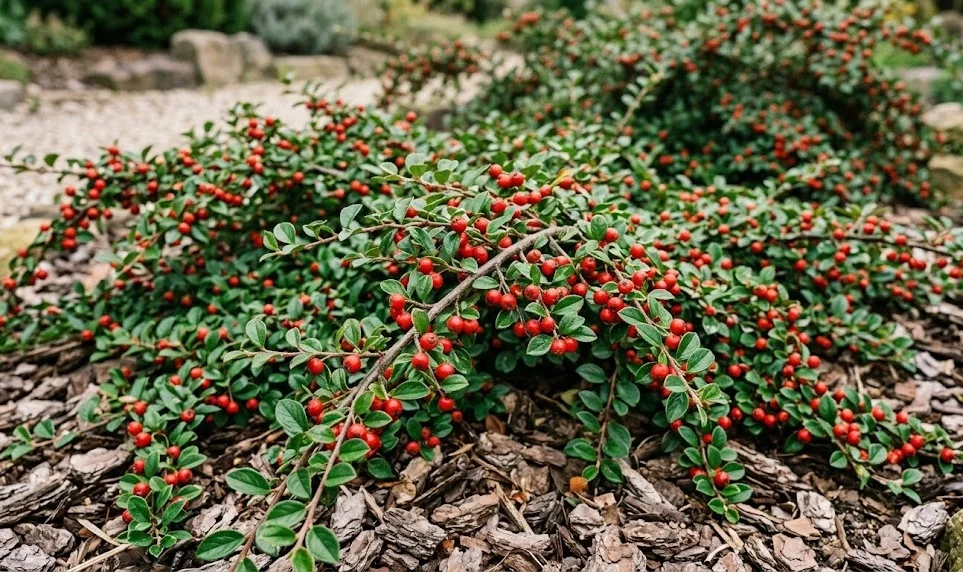
One of the greatest assets of this cotoneaster during the winter is its structural beauty, which is highlighted by its arching branches and persistent red berries. While many other plants become invisible in the winter landscape, the Hjelmqvist’s cotoneaster remains a focal point, providing both visual interest and food for local wildlife. Protecting this display from physical damage, such as heavy snow loads or ice accumulation, is one of your primary winter maintenance tasks. A few minutes of attention after a winter storm can prevent long-term damage to the plant’s graceful silhouette.
The root zone is the most vulnerable part of any shrub during a particularly harsh winter, and protecting it is the key to successful wintering. While the top growth can often bounce back from frost damage, a frozen root ball can lead to the death of the entire plant. Using mulch as an insulating blanket and ensuring the soil is well-hydrated before the first hard freeze are the two most effective things you can do. By creating a stable environment for the roots, you ensure the shrub has the foundation it needs to jump-start its growth once the spring sun returns.
Cold hardiness and preparation
The Hjelmqvist’s cotoneaster is generally rated for cold hardiness that covers most temperate climates, often withstanding temperatures well below freezing. This inherent resilience is due to its origin in mountainous or northern regions where long, cold winters are the norm. However, “hardiness” is not just about the absolute temperature; it also involves how quickly the temperature drops and how long the cold period lasts. A sudden, unexpected frost in early autumn can sometimes be more damaging than a deep freeze in the middle of January.
More articles on this topic
Preparation for winter should involve a thorough cleanup of the area around the base of the shrub to remove any hiding places for pests. Any diseased or weak branches should be pruned away in the early autumn to prevent them from becoming entry points for rot during the damp winter months. You should also ensure that the plant is not being crowded by fallen leaves from other trees, as a thick, wet layer of debris can cause bark issues. A clean, open base allows the soil to breathe and makes it easier to monitor the plant’s condition during the cold months.
Hydration is a critical but often overlooked part of winter preparation for all woody shrubs. You should give the cotoneaster several deep soakings in late autumn, right up until the point when the ground begins to freeze. This ensures that the plant’s tissues are fully hydrated, which helps them resist the drying effects of cold winter winds. Water also acts as a thermal buffer in the soil, releasing heat slowly and protecting the roots from the most extreme temperature fluctuations.
If you are growing your cotoneaster in a particularly exposed or windy site, you might consider providing a temporary windbreak for its first few winters. This can be as simple as a few stakes and a piece of burlap or a more permanent planting of other hardy shrubs nearby. Reducing the impact of the wind prevents the plant from losing moisture too quickly through its branches and foliage. Once the shrub is fully established and has a deep root system, it will be much better able to handle these environmental pressures on its own.
Protective mulching techniques
Mulching is perhaps the single most effective way to protect your Hjelmqvist’s cotoneaster from the vagaries of winter weather. A thick layer of organic mulch, such as bark chips, wood shavings, or well-rotted compost, acts like a warm blanket for the soil. It prevents the ground from freezing as deeply and protects the shallow surface roots from the damaging cycle of freezing and thawing. This “heaving” of the soil can often expose the roots to the cold air or even pull them out of the ground entirely.
More articles on this topic
You should aim for a mulch layer that is about five to eight centimeters thick, extending outward to at least the edge of the plant’s canopy. It is important to keep the mulch a few centimeters away from the main trunk of the shrub to ensure that air can circulate around the crown. If the mulch is piled up against the bark, it can trap moisture and provide a perfect environment for rot and small rodents who might chew on the stem. A “donut” shape is the ideal configuration for winter mulching.
The type of mulch you choose can also provide secondary benefits as it breaks down over the winter and into the following spring. Bark chips and wood shavings are excellent for insulation and weed suppression, and they last a long time on the soil surface. Compost or leaf mold provides more immediate nutritional benefits and helps improve the soil structure as it is integrated by earthworms. You can even use a layer of evergreen boughs or straw for extra protection in particularly cold microclimates.
In the late winter or early spring, you should check the mulch layer to ensure it hasn’t become overly compacted or displaced by wind and rain. If it has started to thin out, adding a fresh layer will help protect the roots as they begin to wake up from their winter dormancy. This consistent covering not only helps with winter survival but also keeps the soil cooler and more moist during the transition into the growing season. Mulching is a simple, low-cost investment that pays huge dividends in the health and longevity of your cotoneaster.
Managing frost and wind desiccation
Winter winds are a significant threat to shrubs like the Hjelmqvist’s cotoneaster, as they can pull moisture out of the branches faster than the frozen roots can replace it. This process, known as winter desiccation, can lead to dieback of the branch tips or even the loss of entire limbs. You might notice the branches looking shriveled or the bark becoming brittle and cracked after a particularly windy and cold period. Protecting the plant from the prevailing winter winds is therefore a key part of your winter care strategy.
If your plant is young or recently moved, you can use an anti-desiccant spray to provide an extra layer of protection for the foliage and stems. These products create a thin, waxy film on the surface of the plant that reduces moisture loss through transpiration. They are best applied in the late autumn when the temperatures are still above freezing and can be reapplied during a mid-winter thaw if necessary. While not a substitute for proper watering, they can provide a vital safety net in harsh conditions.
Frost is another challenge, especially the “hoar frost” that can create a beautiful but heavy coating on the delicate arching branches. While the Hjelmqvist’s cotoneaster is flexible, a heavy accumulation of ice or frost followed by a strong wind can cause branches to snap. You should avoid the temptation to shake the branches to remove ice, as this is more likely to cause damage than the ice itself. Most of the time, the plant is best left to thaw naturally as the sun comes out.
Snow can be both a friend and a foe during the winter months, acting as a natural insulator but also as a physical burden. A light layer of snow is excellent for protecting the lower branches and the root zone from extreme cold. However, if a heavy, wet snow falls, it can weigh down the arching branches until they touch the ground or break. Gently brushing off heavy snow with a broom, using an upward motion, can help relieve this pressure and prevent permanent structural damage to your shrub.
Spring transition after dormancy
As the days begin to lengthen and the first signs of spring appear, your Hjelmqvist’s cotoneaster will start to transition out of its winter dormancy. This is a critical time when the plant is particularly sensitive to sudden temperature shifts and late spring frosts. You should keep an eye on the buds and the general appearance of the bark to see when the sap starts to flow again. Resist the urge to remove your winter protection too early, as a cold snap in March can be very damaging to new, tender growth.
The first task of the spring is to assess any damage that occurred over the winter and perform a light cleanup. Any dead, broken, or diseased branches should be pruned away to allow the plant to focus its energy on healthy new growth. You might notice some “winter burn” on the tips of the branches, which is simply a sign of desiccation; this can be easily trimmed back to a healthy bud. This early pruning also helps shape the shrub for the coming season and ensures it maintains its graceful form.
Once the danger of a hard freeze has passed, you can begin to pull back the mulch from the base of the plant to allow the soil to warm up more quickly. This is also an excellent time to apply a light layer of balanced fertilizer or compost to support the coming flush of growth. If the spring is dry, don’t forget to resume your watering routine, as the plant needs plenty of moisture to support the development of its new leaves and flowers. This early support ensures that the shrub makes the most of the entire growing season.
Finally, take a moment to appreciate how well your Hjelmqvist’s cotoneaster has weathered the winter and how its berries have supported the local bird population. The cycle of seasons is what makes gardening so rewarding, and a healthy shrub that emerges from winter ready to grow is a testament to your care. By understanding and working with the plant’s natural rhythms, you have created a resilient and beautiful garden feature that will continue to thrive for many years to come. The effort you put into wintering is the foundation for all the beauty the plant will provide in the seasons ahead.

