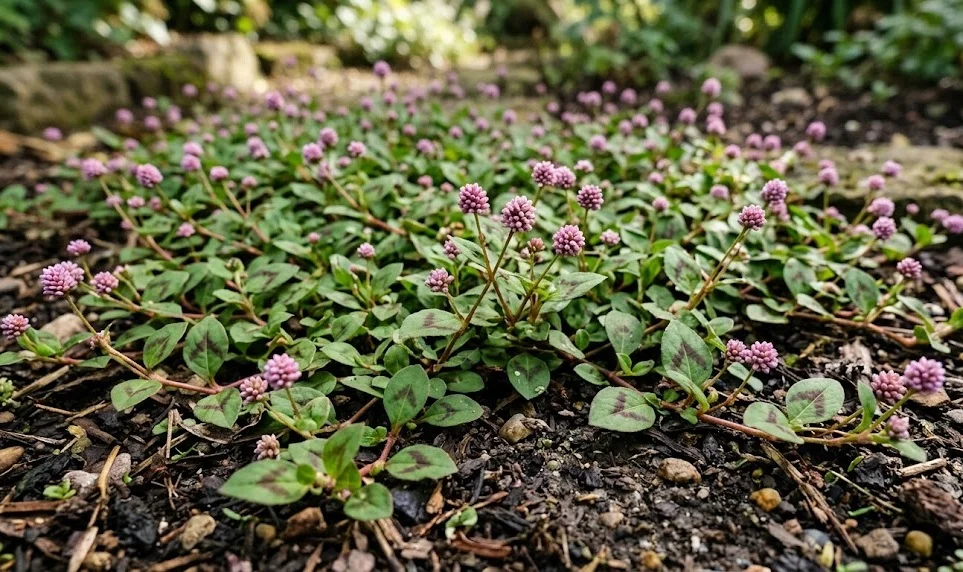

Preparing your pink knotweed for the cold months is a crucial task for ensuring it returns with vigor in the spring. Depending on your local climate, the plant may require different levels of protection to survive the freezing temperatures and dormant period. While it is naturally resilient, extreme winter conditions can take a toll on the crown and root system if not properly managed. Taking the time to winterize your garden professionally will save you the effort of replacing dead plants when the growing season begins again.
Understanding hardiness and regional risks
Pink knotweed is generally considered hardy in moderate climates, but its survival depends on the severity of the winter in your specific zone. In regions where the temperature rarely drops below freezing, the plant may remain evergreen or semi-evergreen throughout the year. However, in colder zones, the top growth will naturally die back as soon as the first hard frost hits. Understanding these thresholds allows you to tailor your winter care strategy to the needs of your local environment.
The main risk during winter is not just the cold itself, but the combination of freezing temperatures and wet soil. If the roots are forced to sit in ice-cold, waterlogged ground for months, they are much more likely to rot or succumb to frost heave. Frost heave occurs when the soil repeatedly freezes and thaws, physically pushing the plant’s crown out of the ground and exposing the delicate roots to the air. Ensuring your planting site has good drainage is your first line of defense against winter damage.
In very cold regions (USDA zones 6 and below), pink knotweed is often treated as an annual or a short-lived perennial. Even if the roots survive, the plant may take a long time to recover and fill in the gaps in the spring. If you live in such a climate, you might want to consider more aggressive protection methods or keep a few plants in containers to move indoors. Professional gardeners always have a backup plan for their most valued landscape features.
Snow cover can actually be a gardener’s best friend during a harsh winter, as it acts as a natural insulator for the ground. A thick layer of snow keeps the soil temperature relatively stable and protects the dormant crowns from the biting wind. However, you cannot always rely on consistent snowfall, so artificial insulation is often necessary. By being proactive, you can mitigate the risks associated with unpredictable winter weather patterns.
More articles on this topic
Mulching and protective insulation techniques
Applying a generous layer of mulch is the most effective way to insulate the roots of your pink knotweed against the winter chill. Once the ground has begun to cool down in late autumn, spread about five to ten centimeters of organic material over the entire patch. Suitable materials include shredded bark, wood chips, pine needles, or even clean straw. This protective blanket helps to regulate the soil temperature and prevents the damaging cycle of freezing and thawing.
Be careful not to apply the mulch too early while the soil is still quite warm, as this can encourage the plant to keep growing instead of entering dormancy. The ideal time is usually after the first few light frosts have occurred but before the ground freezes solid. When applying the mulch, ensure it is distributed evenly but keep it slightly thinner directly over the centers of the plants. This prevents moisture from being trapped against the crown, which could lead to rot during a mid-winter thaw.
In particularly exposed or windy areas, you might need to take extra steps to keep your mulch in place and provide additional protection. Using evergreen boughs or a layer of burlap can help prevent the wind from stripping away the insulating layer. These materials also provide a bit of shade, preventing the winter sun from prematurely warming the ground on bright days. Professional landscapers often use these techniques to ensure the survival of groundcovers in challenging microclimates.
If you are expecting an exceptionally cold snap, you can temporarily cover the patch with a specialized frost blanket or a heavy piece of fabric. This is especially useful for protecting the roots if there is no snow cover during a period of extreme sub-zero temperatures. Remember to remove these heavy covers as soon as the weather moderates to allow the soil to breathe. Proper insulation is a delicate balance between providing warmth and maintaining a healthy level of air exchange.
More articles on this topic
Managing container plants during winter
Pink knotweed grown in containers is much more vulnerable to winter damage than those planted in the ground. Because the root system is elevated and surrounded by a relatively small amount of soil, it is exposed to the ambient air temperature. Without protection, the entire root ball can freeze solid, which is often fatal for the plant. If you want to keep your container-grown knotweed year after year, you must have a clear overwintering strategy.
One of the simplest methods is to move the containers into an unheated garage, shed, or basement once the plant has gone dormant. These spaces provide enough protection from the worst of the cold while keeping the plant in a state of rest. Check the soil moisture about once a month; it should be kept just slightly damp but never wet. You don’t want the roots to dry out completely, but overwatering in a cold environment will quickly lead to rot.
If moving the pots indoors is not an option, you can try “heeling” them into the ground in a protected part of the garden. Dig a hole deep enough to hold the entire pot and cover the top with a thick layer of mulch. This utilizes the natural insulating properties of the earth to protect the roots just like a ground-planted specimen. Grouping several pots together and wrapping them in bubble wrap or burlap can also provide a significant amount of thermal mass.
For large, decorative planters that cannot be moved, you might consider treating the knotweed as a seasonal display and replanting fresh in the spring. However, if the plant is a prized specimen, wrapping the entire planter in insulating foam or heavy blankets can sometimes work. Professional gardeners often use these techniques to maintain high-value container gardens in urban environments. The key is to minimize the temperature fluctuations that the root system experiences.
Spring rejuvenation and recovery
The transition from winter dormancy to spring growth is a critical period for pink knotweed. As the soil begins to warm and the days get longer, you should start by gradually removing any heavy winter mulches or covers. Doing this in stages allows the plant to acclimate to the changing conditions without being shocked by a sudden return of cold air. Keep a close eye on the weather forecast, as late-spring frosts can still damage the tender new shoots.
Once the danger of a hard freeze has passed, use a pair of clean garden shears to trim away any dead or frost-damaged foliage from the previous year. This cleanup not only improves the appearance of the plant but also makes it easier for the new growth to emerge. Be careful not to cut too deep and damage the living crown, which should be showing signs of green or bronze at the base. A light cleanup is usually all that is needed to get the plant ready for the new season.
This is also an excellent time to apply a balanced, slow-release fertilizer to give the plant the nutrients it needs for its initial growth spurt. As the new runners begin to extend, you can gently guide them into any bare spots to ensure the groundcover remains thick and even. If you notice any sections that didn’t survive the winter, you can easily fill the gaps with divisions from the healthy parts of the patch. Recovery is usually quite rapid once the temperatures consistently stay above ten degrees Celsius.
Finally, take a moment to assess how your overwintering strategy worked and make notes for the following year. If you lost more plants than expected, you may need to use a thicker mulch or provide better wind protection next time. Conversely, if the plants came through perfectly, you know your current routine is well-suited to your local microclimate. Professional gardening is a process of constant learning and refinement based on the results of each season.