
Maintaining the elegant structure of these architectural perennials involves a few key pruning tasks throughout the growing season and into the autumn. While they do not require the intensive pruning associated with many shrubs, strategic cutting can enhance their appearance and promote overall plant health. The process is primarily focused on removing spent flowers, managing old foliage, and preparing the specimen for its winter dormancy. With a set of sharp tools and a basic understanding of the plant’s growth cycle, you can keep your bugbane looking its professional best year after year.
Deadheading and flower maintenance
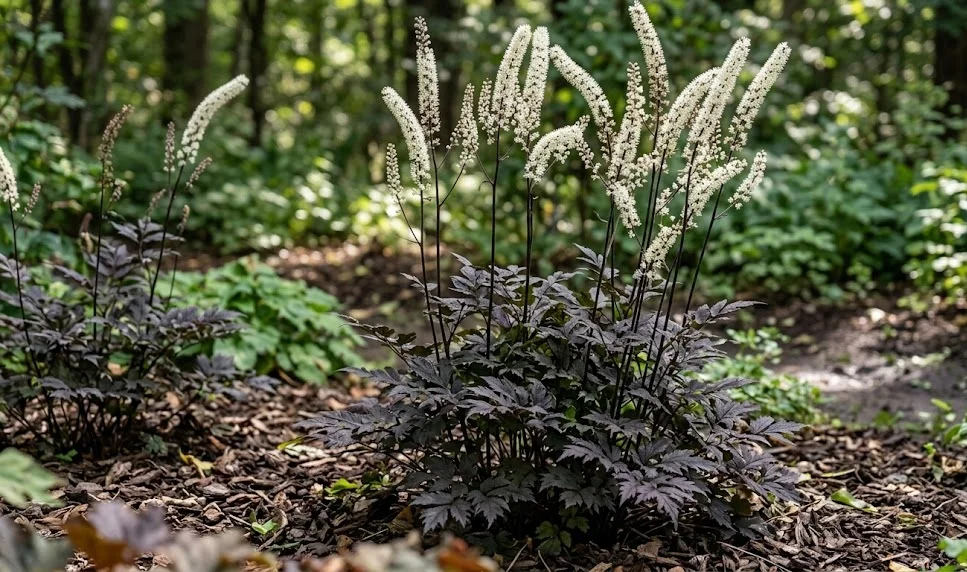
Deadheading is the practice of removing the flower spikes once they have finished blooming and the individual blossoms have begun to fade. For these plants, the long, bottlebrush-like racemes can remain attractive for several weeks, but eventually, they will start to look tattered and turn brown. You should cut the flower stem back to the first set of healthy leaves or all the way to the base of the plant if no other buds are present. This prevents the plant from putting its energy into seed production and keeps the focus on its beautiful foliage.
The timing of deadheading is a matter of personal preference and garden style; some enjoy the look of the dried seed heads in the autumn landscape. If you choose to leave them, you are providing a natural food source for local birds and adding a different texture to your late-season garden. However, if you prefer a clean and tidy look, removing the spent spikes as they fade will ensure the plant remains a polished focal point. Most gardeners find that removing the flowers as soon as they lose their visual appeal is the best way to maintain a high-quality display.
When cutting the flower stems, always use sharp, bypass-style pruners to ensure a clean cut that heals quickly and doesn’t invite disease. You should make your cut at a slight angle to allow moisture to run off the wound rather than sitting on the cut surface. This attention to detail is a simple but effective way to maintain plant hygiene and prevent the development of rot in the main stems. Clean tools are just as important as the technique itself, so be sure to wipe your blades with alcohol between different plants.
If your plant is particularly vigorous and produces multiple flower spikes, you can stagger your pruning to extend the overall visual interest. Removing the oldest, most faded spikes first allows the younger ones to take center center stage and receive more light and air. This selective thinning keeps the plant looking full and healthy without becoming a cluttered mass of aging stems and leaves. A thoughtful approach to maintenance during the blooming season ensures that every part of the plant is showcased to its best advantage.
More articles on this topic
Autumn foliage management
As the temperatures drop and the plant begins to enter dormancy, the large, architectural leaves will naturally start to lose their color and vigor. You may notice the edges turning brown or the entire leaf taking on a yellow or bronze tint as the nutrients are pulled back into the crown. During this phase, it is best to leave the foliage alone until it has completely died back and lost its structural integrity. This allows the plant to maximize its energy storage for the winter, which is crucial for a strong comeback in the spring.
Once the foliage is completely brown and dry, usually after the first few hard frosts, it is time to cut the entire plant back to near ground level. You should leave about two or three inches of the stem bases to mark the location of the plant and to protect the growing points on the crown. This thorough cleanup removes potential nesting sites for overwintering pests and eliminates the debris that can lead to fungal issues in the spring. A clean, well-managed garden bed is not only more attractive but also much healthier for the plants involved.
In some garden designs, you may choose to leave the dried foliage intact through the winter to provide a bit of structure and protection for the soil. This “naturalistic” approach can be very effective in woodland gardens where a layer of leaf litter is expected and beneficial. If you choose this route, you must be sure to clear away the old material early in the spring before the new shoots begin to emerge. Waiting too long can make it difficult to remove the old stems without damaging the tender, new growth coming up from the center.
Regardless of when you choose to cut the plant back, the removed material should be handled carefully to prevent the spread of any lingering pests or diseases. If the plant was healthy throughout the season, the trimmings can be added to a hot compost pile where they will break down into valuable organic matter. If you suspect any issues with mildew or leaf spot, it is better to dispose of the foliage in the green waste bin or the trash. Proper waste management is a fundamental part of maintaining a clean and successful garden ecosystem.
More articles on this topic
Late season rejuvenation
For older, established clumps that have become overly dense or show signs of declining vigor, a more aggressive approach to rejuvenation may be necessary. Every few years, you should evaluate the overall structure of the plant to see if it is still producing the large leaves and tall flowers that define the species. If the center of the clump is becoming woody or hollow, it may be time to divide the plant and start fresh with smaller, more vigorous sections. This process is the ultimate form of pruning and rejuvenation for many long-lived perennials.
Spring is the best time for this kind of work, just as the first signs of life are appearing at the base of the plant. By lifting and dividing the clump, you are essentially “pruning” the root system and giving each new section its own space and resources. This leads to a burst of new growth that is often much more impressive than the aging parent plant was able to produce. It is a rewarding task that ensures your collection remains healthy and productive for many decades to come.
During the process of division, you can also take the opportunity to prune away any damaged or diseased roots that you find underground. Using a sharp knife to remove these areas back to healthy tissue will prevent issues from spreading to the new divisions. This “below-ground pruning” is a critical step in professional propagation and ensures that your new plants have the best possible start in their new locations. A healthy root system is the foundation for everything else the plant does throughout the year.
Finally, remember that the goal of pruning and cutting back is to support the natural lifecycle of the plant rather than to fight against it. By working with the plant’s rhythms and providing the care it needs at each stage of growth, you are creating a more beautiful and sustainable garden. These towering woodland perennials are a testament to the rewards of patient, informed maintenance and the enduring beauty of well-managed landscapes. Your dedication to their care will be visible in every lush leaf and fragrant flower spike for years to come.