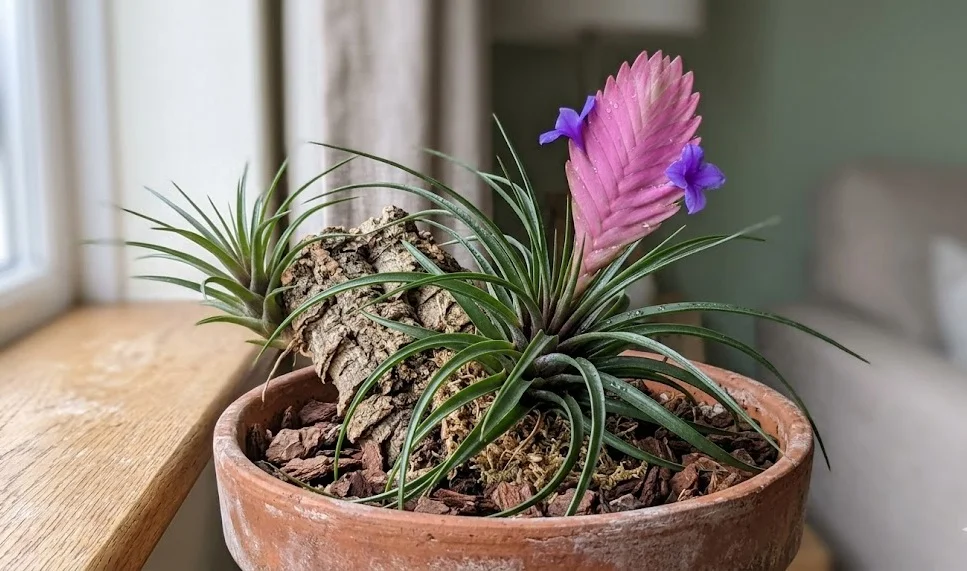

Maintaining the health of a specialized tropical plant like this one requires a proactive approach to identifying and managing potential biological threats. In a home environment, the lack of natural predators and the presence of stagnant air can allow certain pests and diseases to flourish quickly. While this species is generally quite hardy, it is not immune to the various insects and fungi that commonly plague indoor botanical collections. Early detection is the single most important factor in preventing a minor issue from becoming a catastrophic loss for your garden.
Scale insects are among the most persistent and difficult pests to deal with on bromeliads due to their protective waxy shells. These tiny creatures often look like small, still bumps on the underside of the leaves or tucked deep within the leaf axils. They feed by piercing the plant’s tissue and sucking out the vital juices, leading to yellowing leaves and a general loss of vigor. Because they are stationary as adults, they can be easily overlooked until the infestation has reached a critical and damaging level.
Mealybugs are another common adversary that you might encounter, easily recognized by their white, cottony appearance on the foliage. They tend to hide in the tightest crevices of the plant, where they are protected from both your eyes and many topical treatments. These pests produce a sticky substance known as honeydew, which can attract ants and provide a perfect breeding ground for unsightly sooty mold. If you see white fuzzy spots near the base of the leaves, you must act immediately to stop them from spreading to other plants.
Spider mites are a threat that thrives in the dry air conditions often found in homes during the winter months when heating systems are active. These microscopic arachnids are difficult to see with the naked eye, but their presence is betrayed by fine webbing between the leaves. They cause the foliage to take on a stippled, yellowed appearance as they drain the chlorophyll from individual plant cells. Increasing the humidity around your plant is a natural and effective way to discourage these pests from taking up residence in your collection.
Managing fungal and bacterial infections
Fungal diseases are perhaps the most common cause of sudden decline in epiphytic plants, usually triggered by excessive moisture and poor air circulation. Crown rot is the most feared of these conditions, often starting deep within the central rosette where water can become trapped and stagnant. The first sign is often a darkening of the leaf bases, followed by the central leaves becoming loose and easily pulled out. Once crown rot has taken hold of the main meristem, saving the parent plant is unfortunately very unlikely for most gardeners.
More articles on this topic
Leaf spot fungi can also appear as unsightly brown or black lesions on the foliage, often surrounded by a tell-tale yellow halo. these spots can spread quickly if the leaves remain wet for long periods or if the humidity is excessively high without any air movement. While usually not immediately fatal, a severe infection can weaken the plant and ruin its aesthetic appeal for several seasons. Trimming away the most affected leaves and improving the environment is the first step in managing these persistent fungal outbreaks.
Bacterial soft rot is another fast-moving threat that can turn a healthy plant into a mushy mess in a matter of days. It often enters through wounds caused by improper pruning or physical damage and thrives in warm, humid conditions with low oxygen. The affected tissue will often have a distinct, unpleasant odor that is a clear indicator of a bacterial rather than a fungal issue. To prevent this, always use sterilized tools when working on your plants and avoid unnecessary handling of the delicate leaf tissues.
Prevention of these infections relies heavily on creating an environment where the plant can dry out properly between misting or watering sessions. Ensuring that your specimen has plenty of space for air to circulate around its base and through its leaves is a simple but effective strategy. If you must use a fungicide or bactericide, choose a product that is specifically labeled as safe for bromeliads to avoid chemical damage. A healthy plant with a strong immune system is always the best defense against the invisible threats of the microbial world.
Environmental stress and physiological issues
Sometimes the problems you see on your plant are not caused by living organisms but by the environment itself failing to meet the plant’s needs. Tip burn, where the ends of the long leaves turn brown and crispy, is usually a sign of low humidity or a buildup of salts from tap water. This is a physiological response rather than a disease, but it can make the plant look unhealthy and stressed. Adjusting your water source to rainwater and increasing the misting frequency will usually stop the progression of this common issue.
More articles on this topic
Edema is a less common but interesting condition where the plant takes up more water than it can transpire through its leaves, causing cells to burst. This appears as small, corky bumps or blisters on the underside of the foliage that can sometimes be mistaken for scale insects. It is most likely to happen during periods of cool, cloudy weather when the soil remains wet but the plant’s metabolism has slowed down. Improving light levels and reducing watering during these times will allow the plant to regain its internal fluid balance.
Sunburn is a direct result of placing the plant in a location where the light intensity is far too high for its delicate tropical leaves. This manifests as bleached, white, or straw-colored patches on the parts of the plant that are most exposed to the direct sun. Unlike some other issues, sunburn damage is permanent and will not turn green again even if the environment is corrected. Moving the plant to a spot with bright, filtered light will prevent further damage and allow the new growth to be healthy.
Nutrient deficiencies can also mimic certain diseases, with yellowing leaves often indicating a lack of nitrogen or magnesium in the feeding routine. If the new growth is pale or distorted, it may be time to reassess your fertilization schedule and ensure you are using a balanced product. However, always rule out pests and watering issues first, as they are more common causes of discoloration than actual malnutrition. A holistic view of the plant’s environment will help you diagnose these complex and often overlapping physiological problems.
Biological and chemical control strategies
When an infestation is caught early, manual removal is often the safest and most effective way to protect your plant without using harsh chemicals. You can use a cotton swab dipped in rubbing alcohol to dab away individual mealybugs or scale insects on sight. This method is precise and avoids exposing the rest of the plant’s sensitive tissue to potentially damaging substances. For a small collection, a weekly inspection followed by a quick cleanup is usually enough to keep most pests under control.
Horticultural oils and insecticidal soaps are excellent options for more widespread issues, as they work by smothering the insects rather than poisoning them. These products must be used with caution, however, as the oily residue can sometimes block the plant’s trichomes if applied too heavily. Always test a small, inconspicuous area of a leaf first and wait forty-eight hours to see if there is any negative reaction. It is also best to apply these treatments in the evening when the light is low to prevent the oil from causing sunburn.
Systemic insecticides are a more powerful tool that is absorbed into the plant’s tissues, making the entire specimen toxic to biting or sucking insects. These are useful for persistent scale or mealybug problems that hide deep within the rosette where sprays cannot reach. Use these only as a last resort and follow the label instructions with extreme care to avoid harming yourself or the environment. Keep treated plants away from children and pets, and never use these products on plants that might be moved outdoors where they could harm bees.
Natural predators like ladybugs or lacewings can be an effective biological control if you have a large indoor garden or a greenhouse. These beneficial insects will hunt down aphids, mealybugs, and mites without any need for chemical intervention on your part. While not always practical for a single plant in a living room, they represent a professional and sustainable approach to pest management. Integrated Pest Management (IPM) is the gold standard for maintaining a healthy and resilient botanical collection over the long term.
Maintaining a sterile and safe environment
Quarantining new plants before adding them to your main collection is the most effective way to prevent the introduction of pests and diseases. Keep any new arrival in a separate room for at least two to three weeks and inspect it daily for any signs of trouble. Many pests are expert hiders and may not become apparent until they have had time to settle into their new surroundings. This simple precaution can save you months of work and the potential loss of your most valued specimens.
Cleanliness in the growing area is another pillar of professional plant health management that should never be neglected by the serious enthusiast. Remove fallen leaves, spent flowers, and any debris from the top of the potting medium immediately to eliminate hiding spots for pests. Wiping down the shelves and cleaning the pots with a mild bleach solution between uses will kill any lingering spores or eggs. A tidy garden is not just more beautiful; it is inherently more resistant to the spread of common biological threats.
Sterilizing your pruning tools after every use is a non-negotiable rule if you want to avoid spreading bacteria and fungi from one plant to another. You can easily do this by wiping the blades with isopropyl alcohol or holding them over a flame for a few seconds. This is especially important when you are dealing with a plant that you suspect might already be sick or stressed. It takes only a few extra seconds but can prevent a major outbreak across your entire indoor or greenhouse collection.
Ultimately, the best defense against any pest or disease is a plant that is already in peak physical condition due to excellent care. A plant that receives the right light, water, and nutrients will have the energy to produce its own natural defensive compounds. By staying observant and being quick to respond to any changes in your plant’s appearance, you can enjoy a healthy garden for many years. Knowledge and vigilance are the most powerful tools in any gardener’s arsenal when it comes to protecting their precious botanical treasures.