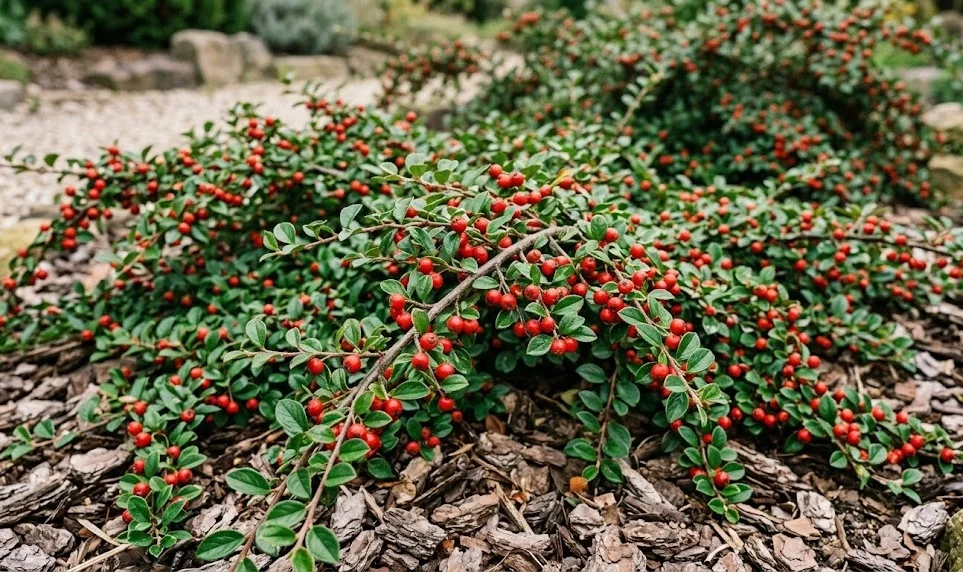

Pruning the Hjelmqvist’s cotoneaster is both a functional task and an artistic opportunity that allows you to shape the shrub according to your garden’s needs. Whether you are aiming for a crisp, formal hedge or a loose, natural arching form, the way you use your shears will define the plant’s character and health. This species is very forgiving and responds well to a variety of pruning techniques, making it an excellent subject for both beginner and experienced gardeners. Proper pruning not only improves the plant’s aesthetic appeal but also encourages better air circulation, more flowers, and a healthier crop of berries.
The timing of your pruning is perhaps the most important consideration, as it needs to align with the plant’s natural growth and flowering cycles. For the Hjelmqvist’s cotoneaster, the best time for general maintenance pruning is in the late winter or very early spring, just before the new growth begins. At this time, the plant is dormant, and you can clearly see the structure of the branches without the foliage getting in the way. Pruning at this window also ensures that you don’t accidentally cut off the developing flower buds that will bloom later in the spring.
If your goal is to maintain a specific size or shape throughout the growing season, light “deadheading” or tip-pruning can be done after the flowers have faded. This helps keep the plant looking tidy and can encourage a more compact growth habit by stimulating the side buds. However, you should be careful not to prune too heavily in late summer, as this can stimulate new growth that won’t have enough time to harden off before the first frost. A strategic approach to cutting back ensures that the plant stays strong and productive for years to come.
Using the right tools and techniques is essential for making clean cuts that heal quickly and don’t invite disease. You should always use sharp, high-quality secateurs for smaller branches and loppers for anything thicker than a pencil. For formal hedges, a pair of sharp garden shears will provide the most even results. Ensuring your tools are clean and sterilized before you start will prevent the accidental spread of pathogens between your garden plants. With a little knowledge and the right equipment, pruning becomes one of the most rewarding aspects of caring for your Hjelmqvist’s cotoneaster.
Tools and timing for pruning
Having the right tools for the job makes pruning your Hjelmqvist’s cotoneaster much easier and better for the plant’s health. For most of your routine maintenance, a high-quality pair of bypass secateurs is the best choice, as they provide a clean, scissor-like cut that doesn’t crush the delicate stems. If you are dealing with older, woodier branches at the base of the shrub, you may need a pair of loppers or even a small pruning saw to get through the tougher material. Always make sure your tools are sharp, as a dull blade can tear the bark and leave the plant vulnerable to infection.
More articles on this topic
Cleanliness is just as important as sharpness when it comes to garden tools. You should wipe your blades with a disinfectant, such as a 10% bleach solution or rubbing alcohol, before you start and after you finish with each plant. This simple habit is the best way to prevent the spread of diseases like fire blight, which can be easily moved from a sick plant to a healthy one on your shears. It only takes a few seconds but can save you a lot of trouble and heartache in the long run.
The timing of your cuts should always be planned with the plant’s future growth in mind. Pruning in late winter or early spring is ideal for structural changes and thinning, as the plant will quickly recover once the sap starts flowing. If you prune in the middle of summer, be aware that you may be cutting off the developing berries that provide so much winter interest. For many gardeners, a “less is more” approach during the growing season is the best way to enjoy the plant’s full seasonal cycle.
If you are using the cotoneaster as a ground cover, you might only need to prune the edges to keep it within its allotted space. This can be done almost any time during the growing season, provided you aren’t removing a large percentage of the foliage at once. For more intensive rejuvenation, the dormant season is always the safest and most effective time. Understanding these basic principles of tools and timing will give you the confidence to manage your shrub effectively and keep it looking its absolute best.
Maintenance pruning for shape
Maintenance pruning is all about guiding the Hjelmqvist’s cotoneaster into the form you want while respecting its natural arching habit. You should start by removing the “three Ds”: dead, damaged, and diseased wood. These branches are not only unsightly but can also sap the plant’s energy and provide a home for pests and fungi. Once these are gone, you can take a step back and look at the overall silhouette of the shrub to decide which other branches might need attention.
More articles on this topic
To maintain the classic arching shape of this species, you should focus on thinning out the branches rather than shearing them all to the same length. This involves removing some of the oldest or most crowded stems right at their point of origin or back to a strong side branch. By thinning the plant, you allow more light and air to reach the center, which keeps the interior foliage healthy and prevents the “hollow” look often seen in neglected shrubs. It also highlights the graceful, individual curves of the remaining branches.
If you are growing your cotoneaster as a more formal hedge, you will need to be a bit more regular with your clipping. You should aim to trim the new growth several times during the spring and early summer to keep the lines sharp and encourage dense branching. Always try to keep the base of the hedge slightly wider than the top, as this ensures that the lower leaves receive enough sunlight to stay green. A well-maintained cotoneaster hedge is a thing of beauty, providing a solid wall of glossy foliage and seasonal color.
Avoid the temptation to simply “top” the shrub by cutting all the branches back to the same height with hedge shears unless you are specifically maintaining a formal shape. This kind of indiscriminate pruning often leads to a mass of “witches’ broom” growth at the tips, which ruins the plant’s natural grace and makes it more prone to disease. Instead, use “heading cuts” sparingly to direct growth toward a specific bud or direction. By working with the plant’s inherent tendencies, you can create a look that is both tidy and natural.
Rejuvenation pruning for older shrubs
As a Hjelmqvist’s cotoneaster matures, it can eventually become a bit too woody or overgrown, with less foliage and fewer berries than it had in its youth. This is when rejuvenation pruning comes into play, a more aggressive technique designed to “reset” the plant and encourage fresh, vigorous growth. The most common method is known as renewal pruning, where you remove about one-third of the oldest stems right at the ground level each year for three years. This gradual approach allows the plant to stay healthy while it slowly replaces its old structure with new wood.
By the end of the three-year cycle, you will essentially have a completely new shrub on an established, powerful root system. This method is much less shocking to the plant than cutting everything back at once and ensures that you still have some greenery and berries to enjoy during the process. You will notice that the new shoots that emerge from the base are incredibly vigorous and have the vibrant color and glossiness that the older wood was lacking. It is like giving your garden a fresh start without having to replant.
If a shrub is extremely overgrown or has been severely neglected for many years, you might consider “hard pruning” or coppicing, which involves cutting the entire plant back to within 10 or 15 centimeters of the ground. This should only be done in the late winter or very early spring when the plant is fully dormant. While it looks drastic and the garden will look a bit empty for a few months, the Hjelmqvist’s cotoneaster is one of the few shrubs that can bounce back from this treatment with remarkable speed. Within a single growing season, it will often produce a lush, beautiful mound of new foliage.
After any kind of heavy rejuvenation pruning, it is important to support the plant with plenty of water and a light application of balanced fertilizer. The shrub will be putting a huge amount of energy into regrowing its canopy, and ensuring it has the resources it needs will help it recover quickly. You should also be careful to thin out the new shoots as they emerge, as the plant may produce far more than it can successfully support. This proactive management will ensure that your rejuvenated cotoneaster has a strong, well-spaced structure for its “second life.”
Techniques for hedge management
Using Hjelmqvist’s cotoneaster as a hedge requires a slightly different approach than pruning it as a standalone specimen. The goal for a hedge is usually a dense, uniform wall of foliage that provides privacy or defines a space within the garden. To achieve this, you should start pruning while the plants are still young, cutting back the leading shoots to encourage them to branch out lower down. This prevents the “leggy” look where there is a lot of foliage at the top of the hedge but very little at the bottom.
As the hedge grows, you should use a combination of formal clipping and occasional thinning to keep it looking its best. Most gardeners find that two or three light clippings during the growing season are enough to maintain a tidy appearance. Always check for nesting birds before you start your summer pruning, as the dense branches of a cotoneaster hedge are a favorite spot for many species to raise their young. If you find a nest, it is best to delay your pruning until the fledglings have left.
The “tapered” shape—wider at the bottom and narrower at the top—is absolutely essential for the long-term health of any hedge, including one made of cotoneaster. If the top is wider than the base, it will shade the lower branches, causing them to lose their leaves and eventually die off. This creates a “dead zone” at the bottom of the hedge that is very difficult to fix. By keeping the top slightly narrower, you ensure that every part of the hedge receives the light it needs to stay thick and green.
Finally, don’t forget to pay attention to the soil and root health of your hedge, as these plants are often growing in close competition with one another. A regular application of mulch and a good watering during dry spells will keep the entire hedge looking uniform and healthy. If one plant in the line starts to look sick or weak, address the problem immediately to prevent it from affecting the rest of the hedge. A well-managed Hjelmqvist’s cotoneaster hedge is a durable and beautiful landscape feature that provides year-round interest and habitat.