
While this architectural bromeliad is known for its slow growth and low-maintenance nature, periodic grooming is essential to keep it healthy and visually appealing. Pruning is not about shaping the plant in a traditional sense, but rather about removing dead or declining tissue to prevent disease and encourage new growth. Because the plant has a finite life cycle for each rosette, understanding when and how to trim is vital for the long-term success of your collection. A well-timed pruning session can revitalize a tired-looking specimen and pave the way for the next generation of vibrant offsets.
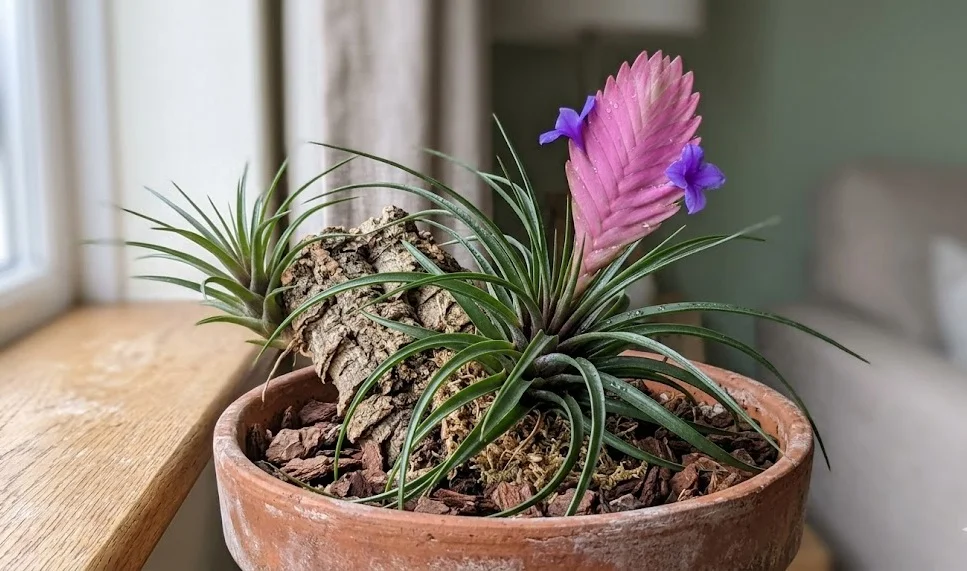
The most common reason for pruning is the removal of the large pink bract once it has finished its flowering cycle and begun to wither. After several months of being the centerpiece of the plant, the bract will slowly lose its color and eventually turn a dry, papery brown. This transition indicates that the plant is no longer investing energy into reproduction and is shifting its focus to the pups at its base. Removing the spent bract not only improves the look of the plant but also eliminates a potential hiding spot for pests like mealybugs.
When you are ready to remove the bract, you should use a pair of very sharp, sterilized pruning shears or a florist’s knife to make the cut. Aim to remove the entire stalk as close to the center of the rosette as possible without damaging the surrounding green leaves. It is often helpful to gently pull the leaves aside to get a clear view of the base of the flower spike before making your move. A clean, single cut is much better for the plant than multiple ragged attempts that could lead to infection or tissue rot.
Lower leaves that have become yellow, brown, or damaged over time should also be removed to maintain a tidy and professional appearance. These leaves are often the oldest part of the plant and are naturally shaded by the newer growth above them, leading to their eventual decline. You can usually remove these by giving them a gentle but firm tug downward, which allows them to snap off cleanly at the base. If they are still firmly attached, use your shears to trim them off as close to the main stem as possible to avoid leaving unsightly stumps.
Specialized techniques for grooming
Grooming the tips of the leaves is a common practice for indoor gardeners who want to keep their plants looking perfect even if the humidity isn’t ideal. If the very ends of the long, arching leaves have turned brown due to dry air, you can trim them back to the healthy green tissue. To do this naturally, try to mimic the original pointed shape of the leaf by making two angled cuts that meet at a sharp tip. This small detail makes the pruning almost invisible to the casual observer and keeps the plant’s elegant silhouette intact.
More articles on this topic
Sterilizing your tools before and after every use is a non-negotiable step in the pruning process to prevent the spread of pathogens between plants. You can use a quick wipe with seventy percent isopropyl alcohol or a brief dip in a mild bleach solution to ensure your blades are clean. This is particularly important when working on epiphytes, as their central rosettes can easily trap and harbor bacteria if they are introduced through a wound. Taking these few extra seconds of precaution is the hallmark of a professional and responsible indoor gardener.
The removal of pups or offsets is a specialized form of pruning that allows you to propagate your plant while giving the mother rosette more room to breathe. As discussed in other chapters, you should only do this when the pup has reached a sufficient size and developed its own independent character. Use a sharp knife to slice the pup away from the parent at the point of attachment, trying to preserve any small roots that may have already formed. This process requires a steady hand and a clear understanding of the plant’s anatomy to be successful without causing unnecessary trauma.
After any significant pruning session, it is a good idea to keep the plant in a stable environment with slightly higher humidity than usual for a few days. This helps the cut surfaces to callus over quickly and reduces the overall stress on the plant’s metabolic systems. Avoid misting the plant directly on the fresh wounds for the first twenty-four hours to prevent any water-borne fungi from taking hold in the damaged tissue. Observation is key during this recovery period to ensure the plant remains healthy and continues its normal growth patterns.
Long-term maintenance and aesthetics
A consistent grooming routine helps you stay intimately familiar with every part of your plant, making it much easier to spot early signs of pests or disease. As you move through the leaves to remove debris or trim dead tips, take the opportunity to look deep into the axils and under the foliage. This proactive approach to maintenance is the best defense against infestations that could otherwise go unnoticed for weeks. A clean plant is a healthy plant, and your efforts will be rewarded with a specimen that always looks its best for guests and photography.
More articles on this topic
Cleaning the leaves with a soft, damp cloth is another form of grooming that improves both the health and the appearance of your tropical treasure. Dust can block the specialized cells that the plant uses to breathe and absorb moisture, so keeping the surfaces clear is vital for its physiological function. Use only pure water and avoid any commercial leaf shine products, which contain oils that can clog the pores of an epiphytic bromeliad. A gentle wipe-down every few weeks will keep the foliage sparkling and ensure the plant is operating at peak efficiency.
The aesthetics of your plant are a reflection of your dedication as a gardener and your understanding of its unique botanical form. Pruning should always be done with an eye toward the overall balance and symmetry of the rosette, preserving its graceful, arching character. If the plant becomes too lopsided or crowded with offsets, a strategic thinning can restore its architectural beauty and highlight its most attractive features. Every cut you make should serve a purpose, whether it is for health, propagation, or purely visual appeal in your home gallery.
Ultimately, the goal of pruning and trimming is to support the plant’s natural life cycle while keeping it in top condition for your enjoyment. This species is remarkably forgiving of minor grooming, provided you use the right tools and techniques to minimize stress. Enjoy the process of caring for your plant and the satisfaction that comes from maintaining a piece of the living tropics in your own living space. With a gentle touch and a watchful eye, you can keep your bromeliad collection thriving and beautiful for many years to come.