
As the seasons shift and the natural light begins to fade, the needs of your tropical companions undergo a significant and necessary transformation. For a species native to the warmth of the rainforest, the onset of winter in a temperate climate represents a period of potential stress and slowed growth. Successful overwintering is not just about keeping the plant alive, but about managing its metabolic state so it remains healthy until the return of spring. This requires a proactive adjustment to your watering, lighting, and temperature management strategies to reflect the changing environment.
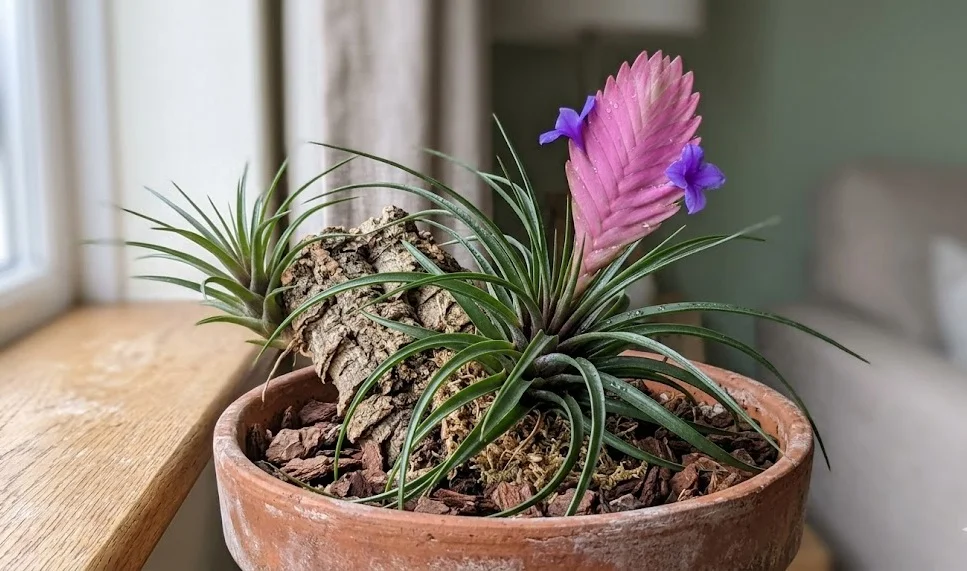
The transition from a summer growing spot to a winter refuge should be handled gradually to avoid shocking the plant’s sensitive systems. If you have kept your specimen outdoors or in a very bright window, move it to its winter location before the first cold snap arrives. The goal is to provide a stable sanctuary where the temperature never drops below fifteen degrees Celsius, even during the coldest nights. Sudden temperature drops can cause the leaves to turn yellow and may permanently damage the plant’s ability to produce its famous pink bract.
Lighting becomes the biggest challenge during the short, often grey days of winter when the sun sits much lower on the horizon. To compensate for the lack of natural light, you should move your plant as close to the brightest window in your home as possible. An unobstructed south-facing window is usually the best choice, as it provides the most consistent and intense light during the winter months. If natural light is still insufficient, consider using a full-spectrum LED grow light to maintain the plant’s energy levels throughout the season.
Humidity control is the second major pillar of winter care, especially when indoor heating systems are running and drying out the air. In many homes, winter humidity can drop to twenty percent or lower, which is dangerously dry for an epiphytic tropical plant. You can combat this by grouping your plants together to create a small, humid micro-climate or by using a dedicated room humidifier. Regular misting is even more important now, but be careful to do it early in the day so the leaves can dry before the cooler evening temperatures set in.
Adjusting the watering routine
In the winter, the plant’s metabolism slows down significantly, meaning it requires much less water than it does during the heat of the summer. Over-watering is the most common mistake made during the colder months, often leading to rot and the eventual death of the specimen. You should reduce the frequency of your deep soaking sessions and focus more on maintaining a light level of atmospheric moisture. Always check the potting medium and the central rosette to ensure the plant actually needs water before you provide any.
More articles on this topic
The water you use during the winter should always be at room temperature to avoid chilling the roots and the base of the plant. Using cold water straight from the tap can cause physiological shock, which may manifest as curled or spotted leaves over time. Rainwater remains the ideal choice, but if you must use tap water, let it sit out for twenty-four hours to reach the correct temperature. This simple step ensures that your hydration efforts are supportive rather than stressful for your tropical treasure.
Monitoring the central cup of the bromeliad is especially important during the winter to prevent the development of stagnant water issues. While it is natural for some water to collect there, it should not be allowed to sit for weeks at a time without being refreshed or emptied. If the room is particularly cool, it may be safer to keep the central cup dry and rely entirely on foliar misting for hydration. This reduces the risk of crown rot, which is much more likely to occur when evaporation rates are low and temperatures are cool.
If your plant is in a pot with bark or moss, ensure that the medium is allowed to dry out almost completely between waterings. The roots of an epiphyte are very sensitive to “cold and wet” conditions, which can lead to a quick decline in health. You can use your finger or a wooden skewer to check the moisture levels deep within the pot before deciding to add more water. Being conservative with your watering during the winter is a mark of an experienced and professional indoor gardener.
Dormancy and energy conservation
It is important to recognize that your plant may enter a period of semi-dormancy or significantly slowed growth during the winter months. This is a natural survival strategy that allows the plant to conserve its energy when environmental resources like light and heat are scarce. You will likely see very little new leaf development, and the vibrant pink of the bract may fade more quickly than it would in the spring. Do not be alarmed by this slowdown; it is a sign that the plant is successfully adapting to the seasonal rhythm of your home.
More articles on this topic
Because the plant is not actively growing, you should stop all fertilization from late autumn until the first signs of new growth appear in the spring. Providing nutrients when the plant cannot process them will only lead to a toxic buildup of salts in the potting medium or on the leaf surfaces. This period of nutritional rest is actually beneficial, as it prevents the development of weak, leggy growth that would be susceptible to pests. Let the plant rest and focus its energy on maintaining its core health and root system.
Pruning and grooming should also be kept to a minimum during the winter to avoid creating open wounds that could be entry points for pathogens. Only remove leaves that are completely dead and brown, as the plant may still be drawing some energy from those that are only partially yellowed. If you must trim the plant, always use sterilized tools and make clean cuts to minimize the stress on the specimen. A “hands-off” approach is often the best strategy for ensuring a successful transition through the coldest part of the year.
Pay close attention to any signs of pest activity, as the dry indoor air can sometimes trigger outbreaks of spider mites or mealybugs. These pests can be particularly damaging when the plant is in its slower winter state and less able to defend itself naturally. A quick weekly inspection of the leaf undersides and the central rosette will allow you to catch and treat any issues before they become serious. Keeping the plant clean and dust-free will also help it make the most of the limited winter light available.
Preparing for the spring revival
As the days begin to lengthen and the sun’s intensity increases in late February or March, you will notice your plant starting to “wake up.” This is the time to slowly begin increasing your watering frequency and reintroducing a very diluted fertilizer into your care routine. You may also want to move the plant back to its summer location if that spot was too cold or drafty during the winter months. This transition should be just as gradual as the one you performed in the autumn to ensure a smooth recovery.
The return of active growth is often marked by the appearance of bright green new leaves in the center of the rosette or the emergence of new pups at the base. This is the ideal time to consider repotting or dividing your plant if it has outgrown its current container or mount. Fresh potting medium will provide a boost of aeration and a clean environment for the roots to expand into during the upcoming growing season. Spring is a season of renewal for both the gardener and the garden, and your bromeliad will respond enthusiastically to the change.
If the plant bloomed during the winter, the bract will likely be completely faded and ready for removal by the time spring arrives. Cutting away the old flower spike will redirect the plant’s energy toward the new growth and the development of the next generation of pups. Use sharp, clean shears and cut as close to the base as possible without harming the surrounding healthy foliage. This grooming step refreshes the look of the plant and prepares it for another year of spectacular tropical beauty.
Success in overwintering this species is a rewarding achievement that demonstrates a deep understanding of botanical care and environmental management. By respecting the plant’s tropical origins while adapting to your local climate, you ensure that your collection remains vibrant and healthy year after year. The lessons learned during the quiet winter months will make you a more observant and skilled gardener in all seasons. Enjoy the slow pace of winter care, knowing that the spectacular display of spring is just around the corner.