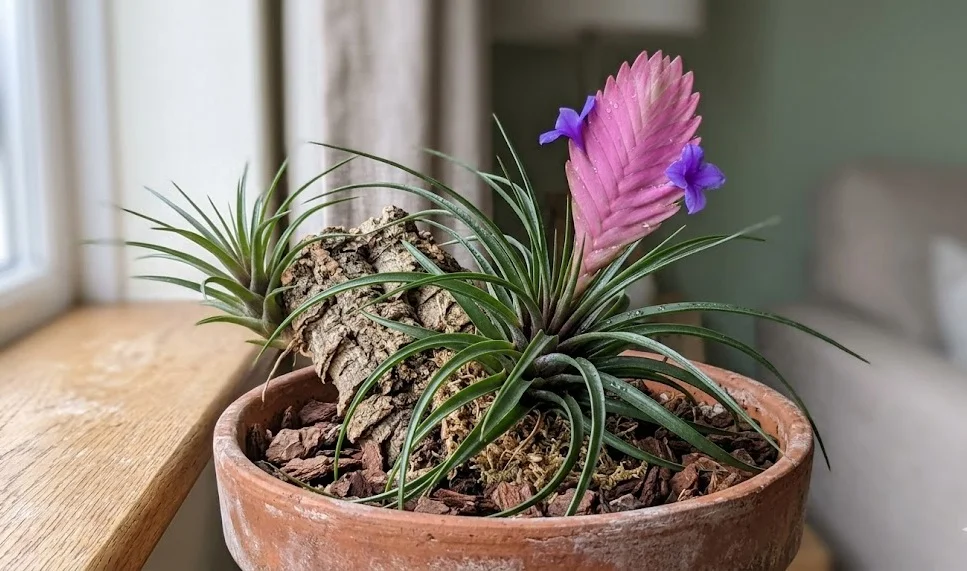

The relationship between this tropical epiphyte and the sun is one of the most critical factors in determining its overall health and the vibrancy of its display. In its native habitats of Ecuador and Peru, the plant lives in the forest canopy where it receives bright, filtered light throughout the day. It has evolved to thrive in these dappled conditions, making it perfectly suited for indoor environments that can provide similar levels of illumination. Understanding how to manage this light is the secret to producing the deep greens of the foliage and the striking pink of the flowering bract.
When placing your plant in a room, the goal is to find a spot that offers high intensity without the danger of direct, burning rays. An east-facing window is often considered the gold standard, as it provides gentle morning sun that warms the plant without the harsh heat of the afternoon. West-facing windows can also work well, provided there is a sheer curtain to diffuse the light during the most intense parts of the day. If the light is too dim, the plant will slowly lose its compact shape and the leaves will begin to stretch toward the nearest light source.
The color of the leaves is a direct indicator of whether the light levels are appropriate for the plant’s current physiological needs. Healthy leaves should be a deep, rich green with a subtle silvery coating of trichomes that help reflect excess radiation and absorb moisture. If the leaves start to take on a yellowish or pale green hue, it is often a sign that the plant is receiving too much direct light. Conversely, if the leaves become very dark and the plant seems to stop growing, it is likely that the light levels are far too low for its metabolic needs.
Artificial lighting can be a powerful tool for indoor gardeners who live in areas with long winters or have limited natural light in their homes. Modern LED grow lights are designed to provide the full spectrum of light required for photosynthesis without generating excessive heat that could dehydrate the plant. You should aim for a consistent light cycle of about twelve to fourteen hours per day to mimic a tropical day-length. Positioning the light about twelve to eighteen inches above the plant ensures that the intensity is high enough to be effective without causing any leaf damage.
Signs of light-related stress
Being able to identify the early signs of light stress will allow you to move your plant and correct the environment before any permanent damage occurs. Sunburn is the most immediate and visible result of excessive light, appearing as bleached or brown patches on the upper surfaces of the leaves. These spots often feel thin and papery to the touch and will never recover their green color even if the plant is moved. If you notice these marks forming, immediately relocate the specimen to a more shaded area and increase the humidity to help it recover.
More articles on this topic
On the other end of the spectrum, light deprivation can cause the plant to become “etiolated,” which is characterized by long, weak, and spindly growth. The plant is essentially using all its energy to stretch toward a better light source, which compromises its structural integrity and aesthetic appeal. In extreme cases, the base of the leaves may become weak, and the plant will be unable to support its own weight. This is a common issue in office buildings or hallways where natural light is almost non-existent and artificial lights are turned off on weekends.
The development of the flowering bract is also heavily dependent on the quality and quantity of light the plant receives during its mature stage. If the light is insufficient, the bract may never form, or if it does, it will be a dull, pale pink instead of the vibrant neon shade that is characteristic of the species. Many growers find that moving the plant to a slightly brighter spot just as the bract begins to emerge can help intensify the final color. Just be careful not to overdo it, as the bract itself can also be sensitive to sudden increases in light intensity.
Regularly rotating your plant by ninety degrees every week ensures that all sides of the rosette receive an equal amount of light over time. This prevents the plant from leaning in one direction and encourages a symmetrical, balanced shape that is much more pleasing to the eye. This simple habit also allows you to inspect every part of the plant for pests or other issues on a regular basis. Consistency in lighting is just as important as the intensity, as sudden changes can cause the plant to drop its flowers or experience a growth setback.
Optimizing light for long-term health
To truly master the light requirements of this species, you must observe how the sun moves through your home during different seasons of the year. A spot that is perfect in the spring might become a scorching hot zone in the middle of July as the angle of the sun changes. You should be prepared to move your plant a few feet further from the window or into a different room entirely to maintain its ideal conditions. Being proactive in your environmental management is what separates a successful gardener from one who struggles with inconsistent results.
More articles on this topic
Using a light meter can take the guesswork out of determining whether your chosen location is actually bright enough for an epiphytic bromeliad. Professionals often aim for light levels between 20,000 and 40,000 lux (roughly 2,000 to 4,000 foot-candles) for optimal growth and flowering. While you don’t necessarily need expensive equipment, there are many smartphone apps that can give you a reasonably accurate estimate of the light in your space. This data-driven approach helps you make informed decisions about where to place your most valued specimens for the best possible outcome.
The cleanliness of your windows also plays a surprisingly large role in the amount of usable light that actually reaches your indoor botanical collection. Dust, grime, and even window screens can filter out a significant percentage of the sun’s energy before it ever enters the room. Keeping your glass clean and removing screens during the darker winter months can provide a noticeable boost to your plant’s vigor. It is a simple maintenance task that yields high rewards in terms of plant health and overall growth rates.
Ultimately, the best light for this species is a stable, bright, and indirect source that mimics the protection of a forest canopy. When you find the right balance, the plant will reward you with lush growth, a sturdy architectural form, and its spectacular flowering display. Trust your observations and the visual feedback the plant provides through its leaf color and growth patterns. With a little attention and care, you can create a luminous home where your tropical companions can truly thrive.