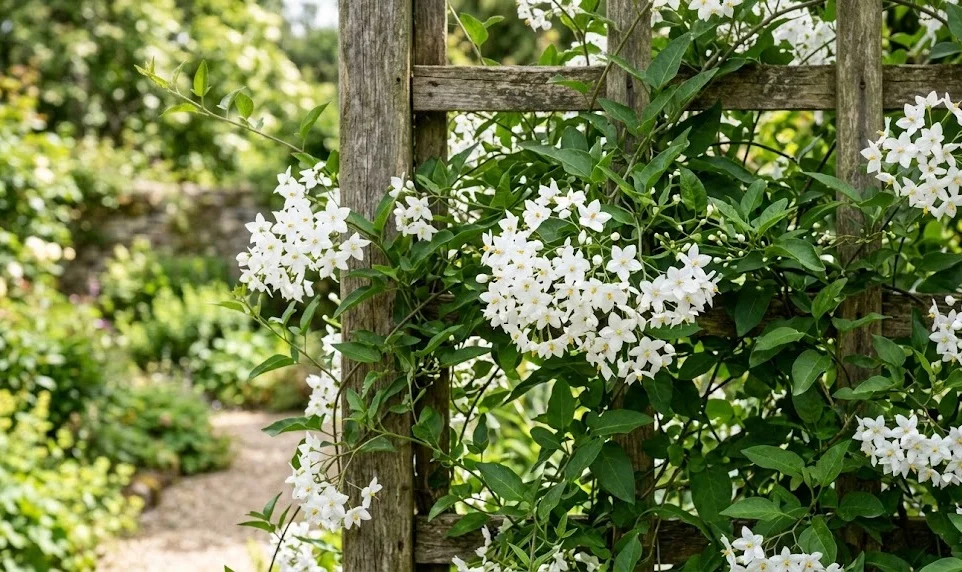

For many gardeners living in temperate climates, the transition from autumn to winter brings the challenge of protecting the jasmine nightshade from the cold. While this vine is quite robust in summer, it is not fully hardy in regions where the ground freezes for extended periods. Professional overwintering techniques are essential if you want to see your plant return with even more vigor the following spring. In this article, we will guide you through the process of safely bringing your climber through the darkest months of the year.
The timing of your winter preparations is critical to ensure the plant transitions into dormancy without suffering from sudden cold shock. You should monitor the local weather reports and begin your move before the first hard frost hits your area. A light frost might nip the ends of the leaves, but a deep freeze can damage the main stems and the sensitive root system. Early intervention is always better than trying to save a plant that has already been severely compromised by ice.
Overwintering is essentially about slowing down the plant’s metabolism and keeping its core temperature within a safe range. During this period, the jasmine nightshade will shed some of its leaves and stop producing new growth, which is perfectly normal. Your goal is not to keep it growing, but to keep it alive and rested so it can explode with life once the sun returns. A professional approach to dormancy requires a shift in how you think about water, light, and temperature.
Whether you are moving a container indoors or protecting a ground-planted vine, the principles of winter care remain the same. Consistency is your most important ally during these months, as drastic changes in temperature can be very damaging. In the following sections, we will explore the specific steps you need to take to ensure your jasmine nightshade survives and thrives. Let us look at the best ways to prepare your plant for its long winter sleep.
Preparing the plant for the move indoors
Before you bring your jasmine nightshade inside, it is a professional best practice to give it a thorough cleaning and inspection. This prevents you from accidentally inviting hitchhiking pests like aphids or spider mites into your home or greenhouse. You should wash the foliage with a gentle spray of water and check all the nooks and crannies of the stems. If you find any pests, treat them outside with an appropriate organic spray before making the move.
More articles on this topic
Pruning the vine back slightly before moving it can make it much more manageable and reduce the stress on the root system. You do not need to do a heavy rejuvenation prune at this stage, but removing the long, unruly stems is a good idea. This also helps the plant fit into its winter storage space without being constantly bumped or damaged. Use clean, sharp tools to ensure the cuts are clean and can heal properly during the dormant phase.
If the plant is in a pot, check that the soil is not overly saturated before you bring it into a less ventilated indoor environment. Excess moisture in the soil can lead to fungal issues and root rot when the air is still and the temperatures are cooler. You might want to refresh the top inch of soil or add a bit of fresh mulch to help maintain a stable moisture level. This small effort ensures the plant starts its indoor stay in a clean and healthy state.
Transitioning the plant gradually is the most professional way to handle the change in light and temperature. If possible, move it to a shaded porch or a cool garage for a few days before bringing it into its final winter location. This prevents the “leaf drop” that often occurs when a plant is moved directly from a sunny garden to a dim indoor room. A slow transition allows the plant’s internal systems to adapt to the lower energy environment of winter.
Finding the perfect winter storage location
The ideal winter location for a jasmine nightshade is a bright, cool spot that stays consistently above freezing, ideally between 5 and 10 degrees Celsius. An unheated but frost-free greenhouse, a bright basement, or a cool sunroom are all excellent choices for professional overwintering. You want to avoid placing the plant near heat vents or radiators, as the dry, hot air will quickly dehydrate the foliage. The plant needs to “sleep,” and a cool environment is the best way to encourage that natural dormancy.
More articles on this topic
Light is still important during the winter, even if the plant is not actively growing at its usual summer pace. A south-facing window or a spot that receives several hours of indirect light will help the vine maintain its basic metabolic functions. If your storage area is particularly dark, you might consider using a simple grow light on a timer to supplement the natural day length. This prevents the stems from becoming overly weak and “leggy” as they search for nonexistent light.
Air circulation is another factor that is often neglected during the winter months when our homes are sealed tight. Stagnant air can encourage the growth of mold on the soil surface and invite pests like whiteflies to take up residence. You do not want a cold draft, but a small fan nearby or occasionally opening a door can help keep the air fresh. Professional growers often use oscillating fans in their winter storage areas to maintain a healthy environment for their dormant plants.
If you have no choice but to keep the plant in a warmer living room, you must pay extra attention to the humidity levels. You can place the pot on a tray filled with pebbles and water to create a humid microclimate around the foliage. Misting the leaves occasionally can also help, though it is a temporary solution compared to a dedicated humidity tray. A warmer winter means the plant will not go fully dormant, so you will need to monitor it more closely for pests.
Maintenance tasks during the dormant phase
Watering during the winter should be minimal, as the plant is using very little moisture while it is not growing. You should allow the top two inches of soil to dry out completely before you even consider adding more water. When you do water, provide just enough to keep the root ball from becoming bone-dry and brittle. Overwatering is the number one cause of plant death during the winter, so it is better to err on the side of caution.
You should completely stop all fertilization from late autumn until the first signs of new growth appear in the spring. Feeding a dormant plant can force it to produce weak, spindly shoots that are very susceptible to disease and pests. The plant has all the energy it needs stored in its root system to survive the winter without any external help. A professional approach respects this natural rhythm and avoids the temptation to “help” with unnecessary nutrients.
Keep a close eye on the plant throughout the winter for any signs of pests that might have survived your initial cleaning. Indoor heating can create the perfect environment for spider mites to thrive, even in the middle of January. If you notice any webbing or discoloration, treat it immediately with a gentle insecticidal soap or neem oil. Being vigilant during the winter ensures that you do not start the spring season with a major infestation on your hands.
Do not be alarmed if the plant loses quite a few leaves during its stay indoors, especially if your winter location is a bit dark. This is a natural response to the lower light levels and is the plant’s way of conserving energy for the coming spring. As long as the stems remain green and flexible when you scratch the bark lightly, the plant is still alive and well. Trust the resilience of the jasmine nightshade and its ability to bounce back when the conditions improve.
Re-acclimation and the return to the garden
As the days begin to lengthen and the risk of frost diminishes, you can start preparing the plant for its return to the outdoors. Begin by gradually increasing the amount of water you provide and moving the plant to an even brighter location indoors. You will soon see the first tiny green buds appearing along the stems, signaling that the plant is waking up. This is an exciting time for any gardener, as it marks the successful completion of the winter challenge.
The process of “hardening off” is perhaps the most important step in the entire overwintering cycle. You cannot simply move a plant from a protected indoor environment directly into the full spring sun and wind. Start by placing the plant outside in a sheltered, shady spot for just an hour or two during the warmest part of the day. Gradually increase the time outside and the intensity of the light exposure over the course of about ten days.
During this re-acclimation period, keep a close watch on the foliage for any signs of sun scorch or windburn. If the leaves start to look bleached or the tips turn brown, you are moving too fast and need to give the plant more protection. This professional technique allows the leaf tissues to thicken up and become resilient enough to handle the outdoor elements. Once the plant can stay outside overnight without any issues, it is ready to return to its permanent summer home.
Once the plant is back in its garden spot, you can perform a light pruning to remove any stems that died back during the winter. This is also the time to provide the first light feeding of the year to support the upcoming explosion of growth. With the right overwintering care, your jasmine nightshade will be bigger and more beautiful than it was the year before. This cycle of rest and renewal is what makes gardening such a rewarding and professional pursuit.