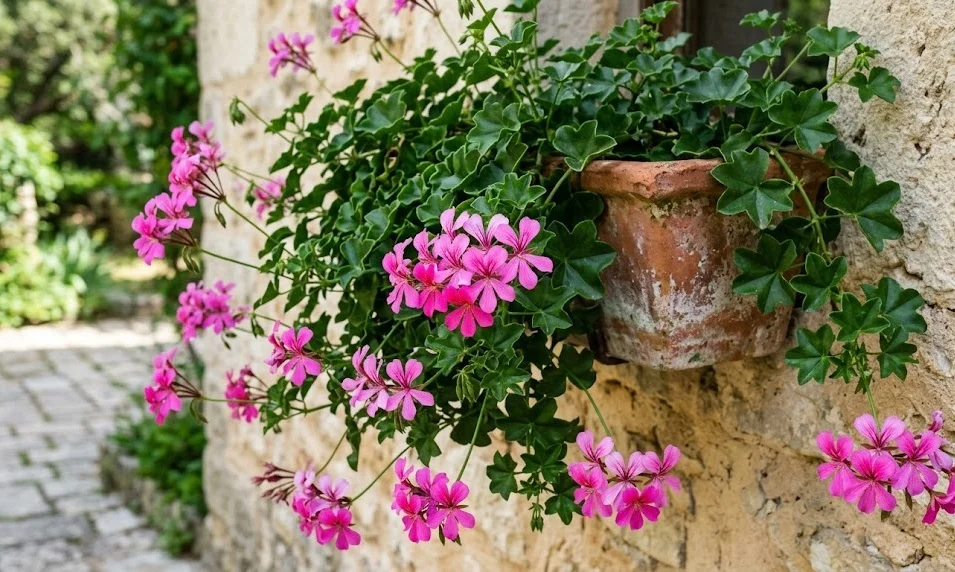

Saving your trailing geraniums for the following year is a rewarding practice that allows you to preserve your favorite varieties and save money. While these plants are often treated as annuals, they are actually perennials that can live for many years if protected from the winter cold. You must prepare a suitable indoor space and adjust your care routine to help the plants survive their period of dormancy. With the right technique, you can wake up healthy, vigorous plants in the spring that are ready to bloom again.
The process of preparing for winter should begin well before the first frost is expected to hit your local area. You should monitor the evening temperatures and bring the plants indoors once the thermometer consistently drops below ten degrees Celsius. Before moving them, perform a thorough inspection to ensure you are not bringing any pests or diseases into your home. It is much easier to treat a problem outdoors than it is to deal with an infestation in your living room.
There are several different methods for overwintering, ranging from keeping them as houseplants to inducing a state of deep dormancy. The best choice for you depends on the amount of space you have available and the specific environmental conditions of your home. If you have a bright, cool room, you can simply treat them like any other indoor plant with reduced watering. If space is limited, you might prefer the bare-root method, which involves storing the plants in a dark, cool cellar.
Pruning is an essential step in the overwintering process regardless of the storage method you choose for your plants. You should cut back the long, trailing stems by about half or even two-thirds to make the plant more manageable. This reduction in foliage also helps the plant conserve energy during the months when light is scarce. Removing any remaining flowers and buds is also important, as you want the plant to focus on survival rather than reproduction.
Indoor maintenance during dormancy
If you choose to keep your geraniums as active houseplants during the winter, you must provide them with the brightest possible location. A south-facing window is usually the best spot, as it offers the most consistent light during the short winter days. You may notice that the growth becomes slower and the leaves smaller than they were during the summer. This is a normal reaction to the lower light levels and is nothing to worry about as long as the plant stays green.
More articles on this topic
Watering during the winter months requires a very light touch to avoid the dreaded problem of root rot. Since the plant is not growing actively, it needs significantly less moisture than it did during the heat of August. You should let the soil dry out almost completely before adding a small amount of water to the container. Never let the pots sit in standing water, as this is the quickest way to kill a dormant geranium during the winter.
You should stop all fertilization during the winter months to prevent the plant from producing weak, leggy growth. The goal is to keep the plant in a “holding pattern” until the days begin to lengthen again in February or March. If you see new shoots that look very pale and thin, it is a sign that the environment is too warm or the light is too low. You can simply pinch these weak shoots off to encourage the plant to stay compact and healthy.
Maintaining a cool temperature is actually beneficial for overwintering geraniums as it discourages rapid growth and pest activity. A room that stays between twelve and fifteen degrees Celsius is ideal for most varieties of trailing geraniums. Avoid placing your plants near heat vents or radiators, as the dry air can quickly dehydrate the foliage and stems. A bit of extra humidity from a pebble tray can help if your indoor air is exceptionally dry during the heating season.
The bare-root storage technique
The bare-root method is a traditional way to save geraniums when you have a large collection but very little indoor light. You should carefully remove the plants from their pots and shake off as much of the old soil as possible from the roots. Wrap each plant individually in several layers of newspaper or place them in a breathable paper bag to protect the roots. Store the bundles in a cool, dark, and frost-free place like a basement or an insulated garage.
More articles on this topic
The ideal temperature for bare-root storage is between five and ten degrees Celsius, which keeps the plant in a state of deep sleep. You should check on your stored plants at least once a month to ensure they are not drying out completely or starting to rot. If the stems look very shriveled, you can mist the roots lightly with water before wrapping them back up. This method requires the least amount of space and maintenance during the core winter months.
It is normal for the plants to lose all their leaves during bare-root storage, leaving only the dormant stems behind. As long as the stems remain firm and green when you scratch the surface slightly, the plant is still alive. If you find any stems that have turned soft, black, or moldy, you should remove them immediately and discard them. This preventative maintenance ensures that the rest of your collection remains healthy until the spring arrival.
When the first signs of spring appear, you will need to “wake up” your bare-root geraniums by repotting them in fresh soil. Trim the roots slightly to encourage new growth and soak the entire plant in lukewarm water for an hour before planting. Place the new pots in a bright, warm spot and water them sparingly until you see the first green buds appearing. This transition period takes a few weeks, but it is always exciting to see the plants come back to life.
Transitioning back to the outdoors
Bringing your geraniums back outside in the spring requires a gradual process known as hardening off to avoid environmental shock. You should wait until the danger of frost has completely passed and the nights are consistently above ten degrees. Start by placing the plants in a sheltered, shaded area for a few hours during the warmest part of the day. Slowly increase their exposure to direct sunlight and wind over the course of ten to fourteen days.
During this transition, the plants will likely experience a burst of new growth as they react to the increased light and warmth. This is the perfect time to start a regular fertilization routine again to support the development of new leaves and flowers. You should use a balanced liquid fertilizer at half strength for the first few applications to avoid overwhelming the roots. The plants will quickly regain their summer vigor once they are fully acclimated to their outdoor home.
You may need to perform some corrective pruning once the plants are back outside to shape them for the coming season. Remove any leggy or damaged stems that grew during the winter to encourage a more compact and bushy habit. This is also a good time to check for any pests that might have survived the winter on the plants. A clean start in the spring is the best foundation for a spectacular display that will last until the next autumn.
Many gardeners find that overwintered geraniums actually bloom better and earlier than new plants bought from a nursery. The established root system allows the plant to jump-start its growth as soon as the weather becomes favorable. You can take pride in the fact that you have successfully cared for your plants through the entire cycle of the seasons. This connection to the life cycle of your garden is one of the most rewarding aspects of professional-level horticulture.