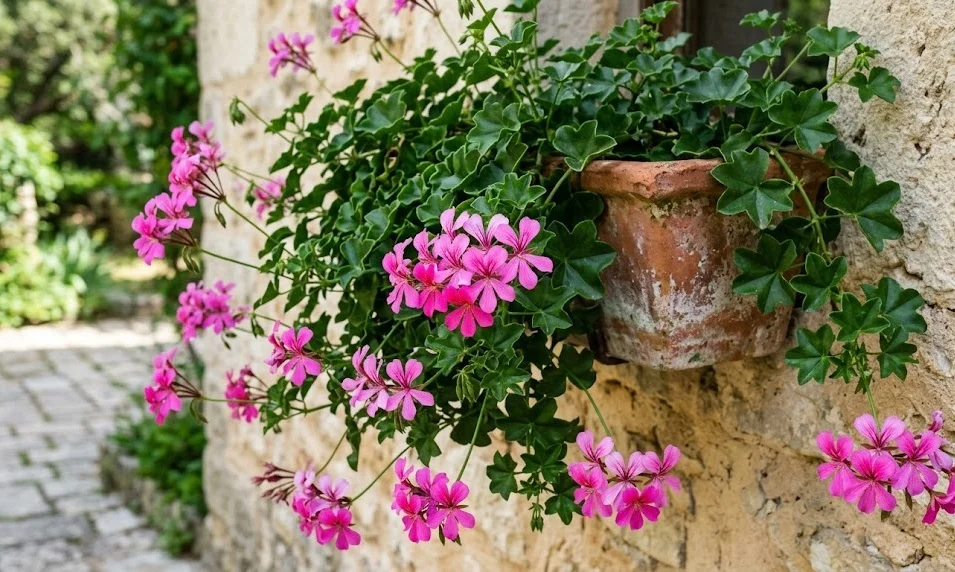

Success with trailing geraniums begins with a fundamental understanding of their unique growth habits and environmental preferences. These plants are beloved for their cascading waterfalls of color, but they require consistent attention to reach their full aesthetic potential. You must provide a stable foundation by selecting the right location and monitoring the plants daily for any signs of stress. Achieving a professional-grade display is entirely possible if you follow a structured maintenance routine throughout the growing season.
The microclimate surrounding your balcony or garden beds plays a crucial role in how these flowers develop over time. Trailing varieties are naturally more sensitive to extreme weather conditions than their upright counterparts due to their elongated stems. High winds can easily snap the fragile branches, so placing them in a sheltered yet airy spot is essential for structural integrity. You should also consider the ambient temperature, as these plants thrive when night temperatures remain consistently above ten degrees Celsius.
Soil selection is the next pillar of professional care that determines the long-term health of the root system. A high-quality substrate should be rich in organic matter while maintaining a loose structure that prevents compaction over several months. Many expert gardeners prefer a mix that includes peat moss or coco coir to ensure proper moisture retention without causing waterlogging. It is vital to check the drainage capacity of your containers frequently to avoid the accumulation of stagnant water at the base.
Routine maintenance involves more than just keeping the plants alive; it focuses on maximizing the blooming period through active intervention. You should regularly inspect the foliage for any yellowing leaves or spent blooms that might drain the plant’s energy reserves. Removing these old parts encourages the geranium to direct its nutrients toward producing new buds and stronger stems. This process of cleaning not only improves the appearance but also minimizes the risk of fungal infections in dense foliage.
Foundational environmental conditions
Creating the perfect environment starts with understanding how air circulation impacts the transpiration rates of trailing geraniums. These plants need a constant flow of fresh air to prevent the buildup of humidity around their dense leaf clusters. Stagnant air often leads to the development of powdery mildew or other moisture-related issues that can ruin the entire display. You should ensure that the pots are spaced far enough apart to allow wind to pass through the cascading stems.
More articles on this topic
Temperature fluctuations can significantly affect the metabolic processes of the plant, especially during the transition from spring to summer. While they enjoy warmth, extreme heatwaves can cause the plant to enter a temporary state of dormancy where flower production slows down. Providing some light afternoon shade during the hottest weeks can help the geranium maintain its vigor and continue blooming. Monitoring the weather forecast allows you to react quickly to sudden drops in temperature that might occur during early spring.
The choice of container is just as important as the location, as it dictates the space available for root expansion. Large, deep planters are generally preferred because they provide a larger reservoir of nutrients and moisture for the growing plant. Plastic or resin containers are excellent for hanging baskets because they are lightweight and retain moisture longer than porous terracotta. You must ensure that every container has multiple drainage holes to facilitate the escape of excess water during heavy rain.
Orientation toward the sun determines how evenly the plant will grow and cascade over the edges of the box. Ideally, you should rotate the containers occasionally if they are placed against a wall to prevent lopsided growth. A plant that receives light from only one side will become leggy and sparse on the shaded side, losing its full appearance. Consistent exposure ensures that the photosynthesis process remains efficient across the entire surface area of the foliage.
Substrate and nutritional foundation
The structural integrity of the growing medium is the most important factor for root respiration and nutrient uptake. A professional potting mix should contain a balance of perlite or vermiculite to keep the soil airy and prevent it from becoming a solid block. Geraniums prefer a slightly acidic to neutral pH level, which typically ranges between six and seven for optimal health. You can easily test the soil at home to ensure that the acidity levels are within this specific range.
More articles on this topic
Long-term success depends on the initial nutrient load present in the substrate when you first pot the plants. Many experts mix a small amount of slow-release fertilizer into the soil before planting to provide a steady stream of minerals. This early intervention ensures that the young plants have everything they need to establish a strong root system quickly. You should avoid using heavy garden soil, which is often too dense and may contain pathogens or weed seeds.
The ability of the soil to hold and release water is a delicate balance that must be managed throughout the season. If the substrate dries out too quickly, the plant will suffer from frequent drought stress, leading to brittle stems and dropped buds. Conversely, a soil that stays wet for too long will suffocate the roots and lead to irreversible decay. Choosing a professional-grade peat-based mix usually provides the best water-holding capacity for trailing varieties.
Over time, the salt from fertilizers can build up in the soil, which might eventually damage the sensitive root tips. To prevent this, you should occasionally flush the containers with plain, lukewarm water until it runs freely from the bottom. This process removes excess minerals and refreshes the soil environment for continued growth. Observing the surface of the soil for white crusty deposits can help you identify when a flush is necessary.
Managing growth and structural development
Directing the growth of a trailing geranium requires a proactive approach to pinching and shaping the young stems. When the plants are still small, removing the growing tips encourages the development of lateral branches. This results in a much bushier and fuller plant that will eventually produce more flowers per square inch. You should perform this task early in the season to give the plant enough time to recover and bloom.
The weight of the flowers and foliage can put significant strain on the stems as the season progresses. Using sturdy supports or ensuring the containers are securely fastened is vital for preventing accidents during summer storms. Trailing geraniums are designed to hang, but they still need a stable base from which to cascade gracefully. You should check the attachment points of hanging baskets regularly to ensure they can handle the increasing weight of the plant.
Balanced growth is achieved when the plant receives equal amounts of attention regarding both its top and bottom halves. While the flowers are the main attraction, the health of the lower leaves indicates the overall vitality of the specimen. If the bottom foliage starts to turn brown, it may be a sign that the plant is not receiving enough light or nutrients. Adjusting the position or feeding schedule can often correct these issues before they affect the blooms.
Natural growth patterns can sometimes become erratic if the plant is exposed to inconsistent environmental triggers. Sudden bursts of nitrogen can cause rapid, weak growth that is more susceptible to breaking and pest attacks. Maintaining a steady growth rate through consistent care is always better than trying to force the plant to grow faster. A slow and steady approach leads to a more resilient and beautiful plant by the end of summer.
Seasonal adaptation and transition
As the peak of summer approaches, the needs of the trailing geranium shift toward survival and heat management. The intense midday sun can scorch the delicate petals, so providing some temporary relief can extend the life of each bloom. You might notice that the colors become more vibrant or slightly faded depending on the intensity of the light. Adjusting your care routine to match the weather patterns is a hallmark of an expert gardener.
Mid-season is also the time to evaluate the effectiveness of your current fertilization and watering strategy. If the plant looks exhausted despite regular care, it may require a more potent nutrient boost or a change in watering frequency. You should look for signs of nutrient deficiency, such as interveinal chlorosis or stunted new growth. These visual cues are the plant’s way of communicating its internal physiological state to you.
The arrival of late summer brings a change in light duration and intensity that signals the plant to slow down. While the geranium may still be blooming profusely, its metabolic rate begins to shift in preparation for the coming autumn. You should gradually reduce the amount of high-nitrogen fertilizer to allow the stems to harden off naturally. This transition period is crucial for ensuring the plant remains healthy until the first frost.
Planning for the end of the flowering cycle involves deciding which plants are worth keeping for the next year. Not every specimen will be a good candidate for overwintering, so you should select only the most vigorous and disease-free individuals. Taking a few photos of your best performers can help you remember which varieties were the most successful in your specific location. This reflective practice is essential for improving your gardening results year after year.
Daily routines for peak performance
A few minutes of daily attention can make a significant difference in the longevity and beauty of your floral display. Walking around your garden each morning allows you to catch small problems before they escalate into major disasters. You should check the moisture level of the soil by feeling it with your fingers rather than relying on a fixed schedule. This hands-on approach ensures that the plant gets exactly what it needs based on the current weather.
Deadheading is a continuous task that should be integrated into your morning or evening garden walk. Removing the faded flower heads prevents the plant from setting seed, which would otherwise signal the end of the blooming cycle. You should snap the flower stem off at its base to keep the plant looking tidy and professional. This simple action redirects the plant’s biological energy back into the production of new, vibrant flower buds.
Cleaning the area around the base of the plant is another small but important part of the daily routine. Fallen petals and leaves can accumulate on the surface of the soil, creating a breeding ground for pests and mold. By keeping the containers clean, you reduce the overall pathogen load in your garden environment. You will also find that a clean display looks much more attractive and well-maintained to any visitors.
Observing the behavior of beneficial insects can also give you insights into the health of your trailing geraniums. Bees and butterflies are naturally drawn to healthy, nectar-rich flowers, while a lack of pollinators might suggest environmental stress. You should encourage these visitors by avoiding harsh chemicals that might harm the local ecosystem. A healthy garden is a balanced one where the plants and the local fauna exist in harmony.
Advanced techniques for professional displays
Achieving a truly spectacular “curtain” of flowers requires specific techniques that go beyond basic maintenance. Some professionals use specialized growth regulators, but for the home gardener, consistent light and nutrition are the best tools. You can create a layered effect by planting multiple varieties with different bloom times in the same large container. This strategy ensures that there is always a fresh set of flowers ready to take over as the older ones fade.
The use of liquid seaweed extracts or other bio-stimulants can provide an extra edge for your plants during the height of summer. These products help the geranium cope with heat stress and improve the overall luster of the foliage. You should apply these as a foliar spray or a soil drench according to the manufacturer’s instructions for the best results. Many competitors in garden shows swear by these organic additions to their feeding programs.
Monitoring the electrical conductivity of the soil is an advanced step that ensures the nutrient levels are never too high or too low. While this might seem overly technical, it allows for a precision that is impossible to achieve with guesswork alone. You can purchase simple meters that provide instant feedback on the salt content of the substrate. This data enables you to adjust your fertilization plan with scientific accuracy.
Final adjustments to the arrangement of the cascading stems can help hide any gaps in the display. You can gently guide the stems to grow in specific directions by using small, discreet clips or ties if necessary. This allows you to create a uniform wall of color that covers the entire front of a balcony or planter box. With patience and attention to detail, your trailing geraniums will become the centerpiece of your outdoor space.