
Maintaining a healthy black elderberry shrub requires a balanced approach to soil management and environmental monitoring throughout the seasons. These plants are remarkably hardy, yet they thrive best when their specific ecological needs are met with consistent precision by the gardener. You should observe the foliage regularly to identify any early signs of stress or potential nutrient deficiencies that might arise. Consistent care ensures that the plant remains productive and vibrant throughout its remarkably long and fruitful lifespan.
Effective soil management starts with ensuring that the ground remains loose and rich in organic matter to support root development. You can achieve this by adding a thick layer of well-rotted compost around the base of the plant every single spring. This practice not only provides essential nutrients but also helps the soil retain the moisture that these shrubs desperately need. Healthy soil biology is the foundation upon which the entire health of the elderberry bush is built over many years.
Mulching is another critical component of long-term care that helps suppress competing weeds and regulates soil temperature during extreme weather. Use organic materials like straw, wood chips, or shredded leaves to create a protective barrier that gradually decomposes into the earth. This layer should be replenished annually to maintain its effectiveness against moisture evaporation and invasive grass growth. By keeping the root zone cool and damp, you significantly reduce the physical stress placed on the plant during hot summer months.
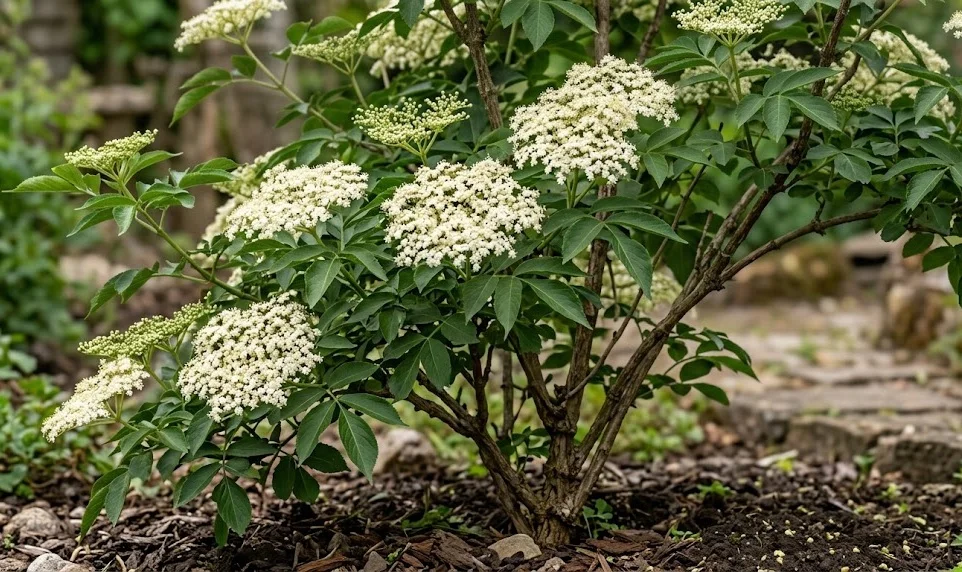
Monitoring the growth patterns of your elderberry will help you understand when the plant is reaching its peak physiological potential. Observe the transition from the delicate white blossoms of late spring to the deep purple clusters of berries in autumn. Each stage of growth requires slightly different levels of attention and environmental stability to ensure a successful harvest. A proactive gardener stays ahead of the plant’s needs by anticipating changes in the local microclimate and adjusting care routines accordingly.
General maintenance strategies
Establishing a routine for inspection is the first step toward professional-grade elderberry cultivation in any home or commercial garden. You should walk through your plantation at least once a week to check for structural integrity and overall leaf health. Look closely at the underside of the leaves where many issues first begin to manifest themselves quietly. Early detection of any irregularity allows for simpler and more natural interventions before the problem spreads to the entire shrub.
More articles on this topic
Proper sanitation around the base of the elderberry is often overlooked but remains vital for preventing the buildup of pathogens. Remove fallen fruit and dead leaves from the ground to eliminate potential hiding spots for harmful insects and fungal spores. Keeping the area clean promotes better air circulation and reduces the humidity levels that often lead to root rot. A tidy garden environment is much easier to manage and results in much healthier plants over several growing seasons.
Supporting the heavy branches of a mature elderberry can prevent mechanical damage during summer storms or heavy fruiting periods. You might consider using simple wooden stakes or soft ties to help the plant maintain its upright structure when the weight becomes excessive. This extra support is especially important for young specimens that have not yet developed a thick and sturdy woody base. Preventing broken limbs is much more effective than trying to heal a damaged plant after a significant weather event occurs.
Recording your observations in a garden journal provides valuable data that can help you refine your care techniques year after year. Note down the dates of the first flowering, the onset of ripening, and any specific weather patterns that affected growth. Over time, these records will reveal the unique personality and requirements of your specific site and soil type. This knowledge transforms a hobbyist into an expert who can predict the needs of the black elderberry with great accuracy.
Soil health and composition
The ideal soil for a black elderberry is one that mimics the rich and moist conditions found along the edges of natural forests. You should aim for a loamy texture that allows for excellent drainage while still holding onto enough water to sustain growth. If your soil is primarily heavy clay, consider incorporating sand and organic grit to improve the internal structure and aeration. Providing the right physical environment for the roots is the most important long-term investment you can make for your shrubs.
More articles on this topic
Ph levels play a crucial role in the ability of the elderberry to absorb the minerals present in the ground. These plants generally prefer a slightly acidic to neutral range, typically between 5.5 and 6.5 for optimal nutrient uptake. You can test your soil using a simple kit available at any agricultural supply store to see if adjustments are necessary. Adding sulfur or lime can help shift the balance, but these changes should be made gradually to avoid shocking the plant’s system.
Nutrient availability is enhanced by the presence of beneficial fungi and bacteria that live within the rhizosphere of the elderberry roots. Avoid using harsh chemical fungicides that might disrupt this delicate subterranean ecosystem and hinder the plant’s natural defenses. Instead, focus on building a living soil that is teeming with earthworms and microscopic organisms that break down organic matter. This natural cycle provides a steady stream of minerals that are easily accessible to the plant throughout the growing season.
Compaction is a common enemy of elderberry roots, as it limits oxygen availability and prevents deep water penetration into the subsoil. Avoid walking directly on the root zone, especially when the ground is saturated after a heavy rain or irrigation session. If the soil becomes too hard, use a broadfork or a garden fork to gently aerate the area without flipping the soil layers. Keeping the earth light and fluffy encourages the roots to spread wide and deep, providing better stability and drought resistance.
Seasonal care routines
Spring marks the beginning of the most active period for the black elderberry and requires a focus on growth stimulation. As the buds begin to swell, apply a balanced organic fertilizer to give the plant the energy it needs for leaf production. This is also the best time to check for any winter damage and remove dead wood that could harbor pests. Starting the season with a clean and well-fed plant sets the stage for a massive explosion of flowers later on.
Summer care is dominated by the need for moisture management and protection from the intense heat of the midday sun. You must ensure that the elderberry never completely dries out, as this can cause the developing berries to shrivel and fall prematurely. Check the soil moisture levels daily during heatwaves and adjust your irrigation schedule to compensate for the higher evaporation rates. Providing a steady supply of water is the key to achieving those large and juicy clusters of fruit that everyone desires.
Autumn is the season of harvest and preparation for the upcoming period of dormancy in the garden. Once the berries have reached their dark purple hue, pick them carefully to avoid bruising the delicate fruit or damaging the branches. After the harvest is complete, remove any remaining fruit clusters to prevent them from rotting on the plant over the winter. This is also a good time to add a final layer of mulch to protect the roots from the first frosts of the year.
Winter is a time of rest for the elderberry, but the gardener still has tasks to perform during these cold months. Use this quiet period to clean and sharpen your pruning tools in preparation for the late winter maintenance cuts. Observe the plant’s silhouette against the snow to identify any structural issues that were hidden by foliage during the summer. Protecting the base of the plant from hungry rodents is also a priority when food sources become scarce in the surrounding landscape.
Tool selection and maintenance
Choosing the right tools for elderberry care makes the daily tasks much more efficient and prevents unnecessary strain on your body. You will need a high-quality pair of bypass pruners for delicate work and a set of loppers for thicker woody branches. Always select tools with ergonomic handles that fit comfortably in your hand to reduce fatigue during long sessions in the garden. Investing in professional-grade equipment pays off in the precision of the cuts and the longevity of the tools themselves.
Maintaining a sharp edge on all your cutting instruments is essential for the health of the elderberry plant. A dull blade will crush the stems rather than slicing through them, creating ragged wounds that are slow to heal and prone to infection. Use a sharpening stone or a specialized file regularly to keep your pruners and loppers in top condition throughout the year. A clean, sharp cut allows the plant to seal the wound quickly and direct its energy back toward productive growth.
Disinfection of tools is a professional practice that prevents the accidental spread of diseases between different plants in your garden. You should wipe your blades with a solution of isopropyl alcohol or a mild bleach mixture after working on each individual shrub. This simple step is especially important if you suspect that one of your plants might be suffering from a fungal or bacterial infection. Preventing the cross-contamination of pathogens is one of the easiest ways to maintain a healthy and productive orchard.
Proper storage of your gardening equipment ensures that it remains functional and rust-free for many years of service. After each use, wipe down your tools to remove sap, dirt, and moisture that can cause corrosion over time. Store them in a dry location, perhaps hanging on a wall or in a dedicated tool chest, where they are protected from the elements. Oiling the moving parts and the metal surfaces occasionally will provide an extra layer of protection and keep the mechanisms working smoothly.
Long term plant health
Ensuring the longevity of a black elderberry involves looking beyond the current season and planning for the next decade of growth. As the plant ages, you must balance the need for new vegetative growth with the maintenance of the older, productive structural wood. Regularly thin out the center of the bush to allow light and air to reach the inner branches, which keeps the entire plant healthy. A well-maintained elderberry can remain a productive member of your garden for twenty years or even longer if cared for properly.
Managing the spread of the elderberry is necessary if you want to keep it within its designated space in the landscape. These plants naturally produce suckers from the root system that can eventually create a dense thicket if left unchecked by the gardener. You can simply dig up these unwanted shoots and transplant them elsewhere or gift them to friends who want to start their own garden. Controlling the footprint of the plant ensures that it does not overwhelm neighboring species or become unmanageable for you.
Diversifying the surrounding vegetation can help create a more resilient environment for your black elderberry shrubs. Plant a variety of flowering herbs and native perennials nearby to attract a wide range of beneficial insects and pollinators. This ecological approach reduces the reliance on external inputs and creates a self-sustaining system that mimics natural woodland edges. A biodiverse garden is better equipped to handle pest outbreaks and environmental fluctuations than a monoculture ever could be.
Periodic soil testing every few years is recommended to track the changes in nutrient levels and organic matter content. As the elderberry grows and produces fruit, it naturally depletes certain minerals from the ground that must be replenished over time. Use the results of these tests to tailor your fertilization program to the specific needs of your aging plants. Keeping the soil chemistry in balance ensures that the elderberry never enters a state of decline due to hidden nutritional gaps.
Harvesting and usage
Knowing exactly when to harvest the fruit is a skill that develops with experience and careful observation of the berry clusters. The fruit should be completely dark, almost black, with no traces of green or red remaining on the individual berries. You will notice that the stems often turn a reddish-purple color when the fruit has reached its peak sugar content and ripeness. Picking the berries at this stage ensures the best flavor and the highest concentration of beneficial compounds for your use.
Harvesting is best done in the cool of the morning when the fruit is firm and less likely to burst during handling. Use a pair of scissors to snip the entire cluster from the branch, as individual berries are too small and delicate to pick one by one. Place the clusters gently into shallow baskets to prevent the weight of the fruit from crushing the layers at the bottom. Processing the berries as soon as possible after picking will preserve their freshness and nutritional value for your recipes.
Removing the berries from the stems can be a tedious process, but there are several professional tricks to make it easier for you. Many gardeners find that freezing the clusters for a few hours makes the berries pop off the stems much more cleanly and quickly. You can also use a wide-toothed comb to gently rake through the cluster and release the fruit into a bowl below. Ensuring that no green stems remain in your harvest is important, as the stems contain compounds that should not be consumed in large quantities.
Once cleaned and de-stemmed, the black elderberry can be used in a wide variety of ways, ranging from medicinal syrups to delicious culinary treats. Always remember that the raw berries should be cooked before consumption to neutralize certain substances that can cause digestive upset. You can boil them down with sugar to make jams, jellies, or concentrated syrups that will last through the winter months. The versatility of the elderberry makes it one of the most rewarding plants to grow and process in any home garden or farm.