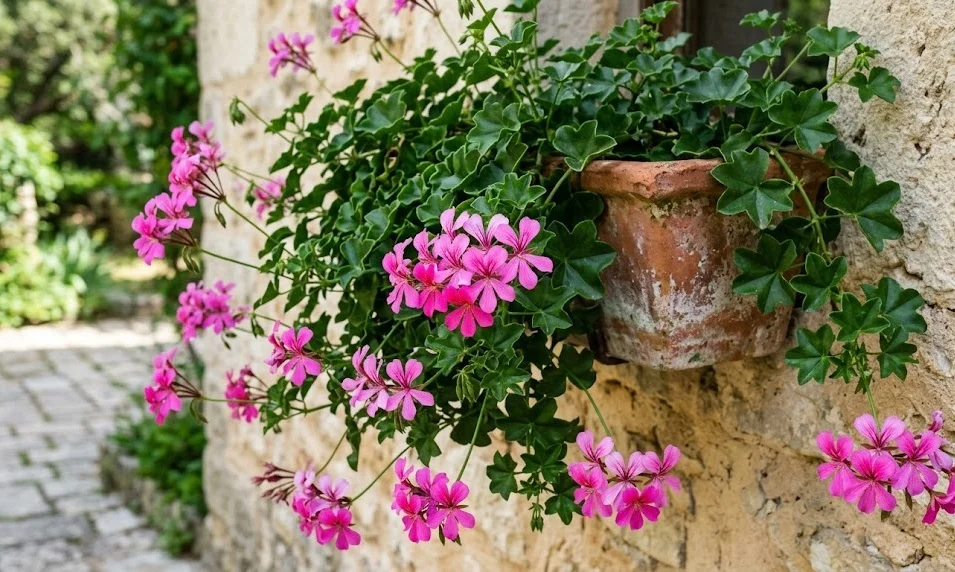

Pruning is a vital horticultural skill that allows you to control the shape, health, and blooming capacity of your trailing geraniums. Many gardeners are hesitant to cut back their plants, fearing they might cause damage, but regular pruning is actually essential for long-term vigor. You must approach this task with a clear plan and the right tools to achieve a professional-looking result. By removing old or unproductive growth, you stimulate the plant to produce a fresh flush of vibrant stems and flowers.
The primary goal of pruning during the active growing season is to maintain a bushy and compact habit while encouraging more blooms. When you remove the tip of a growing stem, you break the apical dominance and force the plant to develop lateral buds. This results in a much fuller appearance and more branches, which ultimately means more locations for flower clusters to form. You should start this process early in the spring as soon as the plants show signs of active growth.
Deadheading is the most frequent form of pruning you will perform, and it involves the removal of faded or spent flower heads. This task is more than just an aesthetic cleanup; it prevents the plant from putting energy into seed production. When a geranium starts to form seeds, it sends a chemical signal to the rest of the plant to stop producing new flower buds. By consistently deadheading, you trick the plant into staying in its reproductive phase for as long as possible.
Using the correct technique and sharp tools is essential to ensure that the pruning cuts heal quickly and do not become an entry point for disease. You should always use a clean pair of bypass pruners or sharp garden scissors to make a smooth, angled cut. Avoid crushing the stems, as this damages the vascular tissue and slows down the recovery process. Sterilizing your tools with rubbing alcohol between different plants is a professional habit that prevents the spread of pathogens.
Seasonal pruning strategies
In the early spring, your pruning should focus on cleaning up any damage that occurred during the winter and shaping the young plant. You should remove any dead, brown, or shriveled stems right back to the main base of the plant to encourage fresh growth. If the plant has become lopsided or too long, this is the best time to perform a hard prune to reset its structure. Don’t be afraid to cut back quite drastically, as healthy geraniums are very resilient and will recover quickly.
More articles on this topic
During the height of summer, your pruning routine will shift toward maintenance and light thinning of the foliage. If the center of the plant becomes too dense, it can restrict air circulation and create a perfect environment for fungal diseases to take hold. You can selectively remove a few of the older, inner leaves to open up the canopy and allow more light and air to reach the stems. This targeted pruning keeps the plant healthy and prevents the lower foliage from turning yellow and falling off.
Late summer is the time to evaluate the overall performance of the plant and decide if it needs a “rejuvenation prune.” If the stems have become very long and bare at the top with only a few flowers at the ends, it is time for a more significant cut. Removing about one-third of the length from the longest stems will stimulate a final burst of growth before the end of the season. This practice ensures that your display remains attractive well into the autumn months.
Before bringing your plants indoors for the winter, a final pruning is necessary to prepare them for their period of dormancy. You should cut back all the stems to a manageable length, usually about ten to fifteen centimeters from the soil line. This makes the plants easier to store and reduces the amount of moisture they will lose through their leaves during the winter. Removing all remaining flowers and buds ensures that the plant conserves its energy for survival.
Enhancing bloom production through pruning
To get the most out of your trailing geraniums, you must understand the relationship between stem age and flower quality. The most vibrant and prolific blooms are usually produced on relatively young, vigorous wood rather than old, woody stems. By periodically removing the oldest stems, you encourage the plant to constantly renew itself with fresh, productive growth. This renewal pruning is the secret to keeping a geranium display looking young and energetic for several years.
More articles on this topic
When deadheading, it is important to remove the entire flower stalk right down to where it joins the main stem. Leaving a small “stub” of the flower stalk is not only unsightly but can also lead to rot as the tissue dies back. You can usually snap the flower stalk off cleanly with your fingers by applying a little downward pressure at the base. This method is quick and effective, allowing you to clean a large number of plants in a short amount of time.
If you notice that your geranium is producing plenty of leaves but very few flowers, a light pruning can sometimes act as a “stress signal” to trigger blooming. Removing a few of the largest leaves redirects the plant’s resources away from vegetative growth and toward the production of buds. This should be done sparingly, as you still need enough leaf area for photosynthesis to support the plant’s energy needs. Balancing the foliage and the flowers is an art form that you will master with experience.
Finally, keep an eye out for any stems that show signs of mutation or unusual growth, such as completely green leaves on a variegated variety. You should prune these “reversions” out immediately to prevent them from taking over the plant, as they are often more vigorous than the desired variety. Keeping your plants true to their intended form is a hallmark of a professional and well-maintained garden. Consistent, thoughtful pruning is the best way to ensure your trailing geraniums remain the stars of your outdoor space.