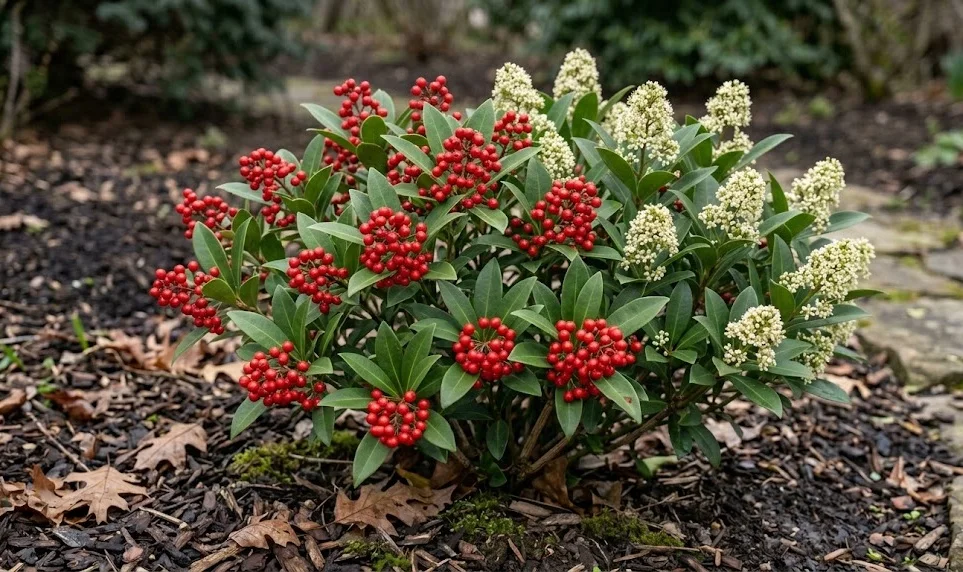

Successfully guiding Japanese skimmia through the winter months is a critical task for any gardener wishing to maintain the health and beauty of this evergreen. While the shrub is remarkably cold-tolerant, the combination of freezing temperatures, dry winds, and frozen soil can present significant challenges. Professional overwintering techniques focus on protecting the foliage from desiccation and ensuring the root system remains viable during the dormant period. By taking a few strategic precautions, you can ensure that your plants emerge in the spring with their glossy green leaves and vibrant buds intact.
The primary concern during the winter is not necessarily the cold itself, but the lack of available moisture. Because the leaves are evergreen, they continue to lose water through transpiration even when the temperatures are well below freezing. If the ground is frozen solid, the roots cannot absorb any new water to replace what is lost, leading to a condition known as winter burn. This manifests as brown, crispy edges on the leaves and can severely disfigure the plant if left unaddressed.
To prevent winter burn, you should ensure the plant is thoroughly hydrated before the first hard freeze of the season. Applying a deep watering in late autumn provides a reservoir of moisture that the plant can draw upon as the weather begins to turn. You should continue to monitor the soil throughout the winter, and if there is a prolonged dry spell without snow cover, water the plant during a midday thaw. This simple act of supplemental hydration can make a huge difference in the plant’s overall winter survival rate.
Mulching is another essential professional practice for protecting your skimmia from the rigors of the cold season. A thick layer of organic material, such as wood chips or pine needles, acts as a thermal blanket for the soil. This insulation helps prevent the ground from freezing as deeply and protects the shallow root system from the damaging effects of the freeze-thaw cycle. Be sure to apply the mulch several inches deep, but keep it a few centimeters away from the main trunk to avoid moisture buildup against the bark.
Protection against wind and mechanical damage
In many regions, the drying effects of winter winds are just as dangerous as the low temperatures themselves. These winds can strip moisture from the leathery leaves at an alarming rate, especially during sunny but freezing days. If your skimmia is planted in an exposed location, you might consider creating a temporary windbreak using burlap or horticultural fleece. This shield reduces the velocity of the wind hitting the foliage and creates a slightly more humid microclimate around the shrub.
More articles on this topic
Mechanical damage from heavy snowfall is another risk that should be managed throughout the winter months. The structure of the skimmia, while sturdy, can be compromised by the weight of wet, heavy snow accumulating on its branches. This can cause the shrub to splay open or even cause individual branches to snap under the pressure. After a significant snowstorm, it is a good practice to gently brush away the excess snow using a soft broom or your hands.
Be very careful when removing snow, as the frozen wood can be quite brittle and prone to breaking if handled roughly. You should always work from the bottom of the shrub upwards to avoid dumping more snow on the lower branches as you clear the top. If the branches have already bent under the weight, avoid trying to force them back into place while they are frozen. They will often return to their natural shape on their own once the snow melts and the temperatures rise above freezing.
For young or particularly prized specimens, you can provide extra protection by building a simple wire cage around the plant and filling it loosely with dry leaves. This method provides an incredible amount of insulation while still allowing for air circulation around the foliage. Just be sure to remove the leaves as soon as the weather begins to warm up in the early spring to prevent rot. This level of care is usually only necessary in the most extreme climates or for newly planted shrubs that haven’t yet established a deep root system.
Managing container-grown plants in winter
Plants grown in containers are much more vulnerable to winter damage than those planted in the ground. This is because the small volume of soil in a pot can freeze much faster and more completely, potentially killing the roots. If you have skimmia in pots, the best strategy is to move them to a more sheltered location, such as against a south-facing wall or into an unheated garage. This provides a buffer against the coldest temperatures while still keeping the plant in its necessary dormant state.
More articles on this topic
If moving the containers is not an option, you can wrap the pots themselves in several layers of bubble wrap or heavy burlap. This provides extra insulation for the root zone and helps slow down the rate of freezing and thawing. You can also cluster several pots together and fill the gaps between them with straw or dried leaves to create a communal thermal mass. Raising the pots off the ground using “pot feet” or bricks will also help with drainage and prevent the base from freezing to the patio.
Watering remains a critical task for container-grown plants even during the winter months. Potted soil can dry out very quickly, especially if the container is under an eave or in a spot that doesn’t receive natural rainfall. Check the moisture level of the potting mix every couple of weeks and provide a small amount of water if the soil feels dry. Remember to only water during the day when temperatures are above freezing so the moisture can soak in before the next frost.
Do not be tempted to bring your skimmia into a heated house for the winter, as the lack of humidity and the high temperatures will quickly stress the plant. These shrubs need a period of cold dormancy to trigger their flowering and fruiting cycles for the following year. An unheated greenhouse or a cold frame is the ideal middle ground for providing protection without disrupting the plant’s natural rhythm. By respecting the plant’s biological needs, you ensure it remains healthy and ready to bloom when spring arrives.
Spring transition and recovery
As the days begin to lengthen and the ground thaws, your skimmia will slowly emerge from its winter dormancy. This is a sensitive time for the plant, as late-season frosts can damage the tender new growth or the emerging flower buds. Keep your frost blankets or burlap shields nearby so you can quickly cover the plants if a sudden cold snap is predicted. This extra bit of vigilance in the early spring can save the entire season’s floral display from being lost.
Take the opportunity in late winter or early spring to inspect the shrub for any signs of winter damage. If you find branches that have been broken or leaves that have been severely scorched by the wind, you can prune them away once the threat of hard frost has passed. Always use sharp, clean tools to make precise cuts that will heal quickly as the plant enters its active growth phase. Removing dead or damaged wood helps the plant focus its energy on producing healthy new shoots.
Once the soil has completely thawed and the plant shows signs of new growth, it is time to refresh the mulch layer and provide the first feeding of the year. A fresh application of ericaceous fertilizer will give the shrub the nutrients it needs to produce its spring flowers and start the berry-making process. You can also gently rake away any old debris that might have accumulated under the shrub over the winter. This clean start helps prevent the development of pests and diseases as the weather warms up.
Finally, remember that patience is a virtue when waiting for your skimmia to fully recover from a harsh winter. These are slow-growing plants, and it may take a few weeks of consistent warmth before they look their best again. If some leaves look a bit dull or pale, don’t worry; they will often regain their luster once the spring rains and nutrients kick in. By following these professional overwintering strategies, you ensure your Japanese skimmia remains a resilient and beautiful cornerstone of your garden for years to come.