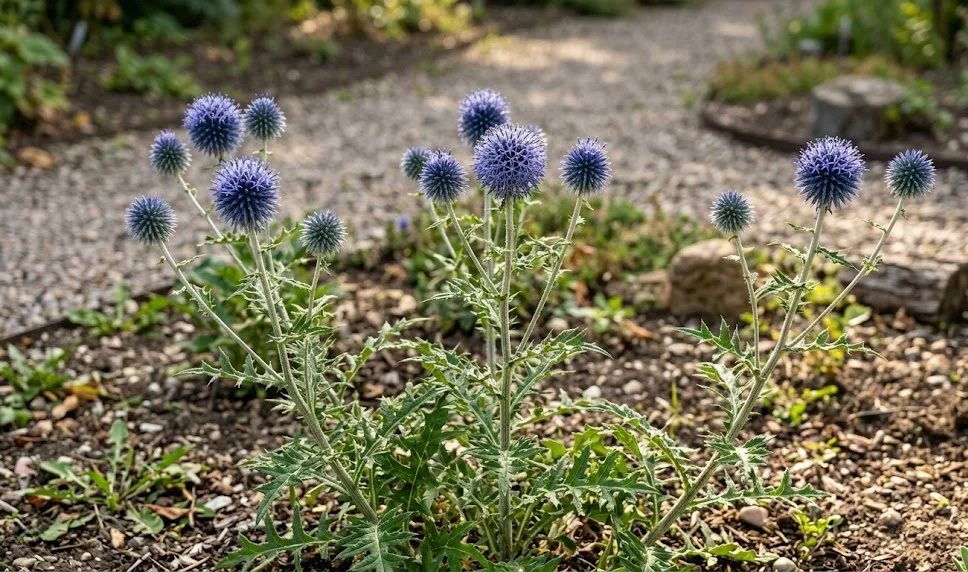

Preparing the blue globe thistle for the winter months is a straightforward process that ensures the plant returns with vigor in the following spring. Because these perennials are native to regions with cold winters, they have natural mechanisms for dealing with freezing temperatures and snow. However, the combination of cold and wet soil is the greatest threat they face during the dormant period of their lifecycle. Taking a few proactive steps in the late autumn can significantly improve the survival rate and long-term health of your garden collection.
As the temperatures begin to drop in the late autumn, you will notice the foliage of the thistle starting to fade and turn brown. This is a natural signal that the plant is withdrawing its nutrients into the root system for storage over the winter. You should wait until the foliage has completely died back before doing any major cleanup around the base of the plant. Leaving the foliage for a little while provides some natural protection to the crown from the first light frosts of the season.
Once the plant is fully dormant, you can choose to cut the stems back to within a few centimeters of the ground. Use sharp, clean bypass pruners to make clean cuts that will not fray the stem tissues and invite disease. Removing the old growth reduces the risk of fungal spores overwintering on the dead material and affecting next year’s leaves. Some gardeners prefer to leave a few stems standing for winter interest, which is perfectly acceptable in most climates.
The area around the base of the plant should be cleared of any fallen leaves from nearby trees that might trap excessive moisture. Thick layers of wet leaves can lead to crown rot, which is one of the few ways an established thistle can be lost during the winter. Replacing the heavy leaves with a lighter layer of wood chips or coarse mulch provides protection without the risk of suffocation. This small adjustment in your autumn cleanup routine makes a big difference in the plant’s winter resilience.
Soil management and winter drainage
The single most important factor for successful overwintering is ensuring that the soil remains well-drained during the wet winter months. Thistles are very hardy against cold, but they will quickly rot if their roots sit in cold, stagnant water for weeks at a time. If you have heavy soil, you might consider mounding it slightly around the plant to encourage water to run off away from the crown. This simple physical change can prevent many of the issues associated with winter moisture levels.
More articles on this topic
Adding a bit of extra grit or coarse sand to the surface around the plant can also help improve the drainage at the soil line. This is particularly helpful in areas that experience frequent freeze-thaw cycles that can heave the soil and expose the roots. The grit helps fill in any gaps and keeps the root system protected from direct exposure to the cold air. It is a professional technique often used in alpine gardens that works exceptionally well for thistles too.
Avoid the temptation to apply any fertilizer in the late autumn or winter, as the plant cannot use it while it is dormant. Excess nutrients in the soil during the winter can actually be harmful and may leach away into the groundwater before the spring. The plant’s internal clock is set to rest during this period, and your care routine should respect this natural cycle. Patience is a key virtue for any gardener managing perennials through the change of seasons.
If you are growing thistles in containers, you will need to take extra precautions because the roots are more exposed to the cold than in the ground. Move the pots to a sheltered spot near a wall or into an unheated garage or shed for the worst part of the winter. Ensure the pots are raised off the ground to allow water to drain freely through the holes in the bottom. Potted plants may need a very small amount of water during a long dry winter, but only enough to keep the soil from becoming bone dry.
Protection against extreme weather events
In regions that experience exceptionally harsh winters with temperatures far below the plant’s normal range, some extra protection may be needed. You can create a temporary “cage” around the plant using wire mesh and fill it loosely with straw or dry leaves. This provides a layer of insulation that buffers the plant against the most extreme temperature fluctuations without trapping too much moisture. Remove this protection as soon as the weather begins to warm up in the early spring to prevent premature growth.
More articles on this topic
Heavy snow can actually be a beneficial insulator for perennials, protecting the roots and crown from the most intense cold. However, the weight of the snow can sometimes flatten any stems you have left for winter interest, so be mindful of that. If you experience an ice storm, it is usually best to let the ice melt naturally rather than trying to chip it off the plant. Attempting to remove ice can cause significant mechanical damage to the dormant tissues and buds.
Winter winds can be very drying, especially in areas where the ground remains frozen and the plant cannot replace lost moisture. If your garden is very exposed, a temporary windbreak made of burlap or similar material can help reduce this desiccation. This is especially important for young plants that have not yet established a deep and extensive root system in their new home. A little bit of physical protection goes a long way in ensuring a successful start to the next growing season.
Monitoring the garden after a major winter storm allows you to address any immediate issues, such as exposed roots or broken structures. Use your hands to gently firm any soil that has been disturbed by frost heaving or animal activity. This regular check-up keeps you connected to your garden even during the quietest months of the year. Being an observant gardener means you can catch and fix problems before they have a chance to become serious.
Transitioning from winter to spring
As the days begin to lengthen and the soil warms up, you will start to see the first signs of life returning to the thistle crown. This is the time to remove any remaining winter mulch or protection to allow the sun to reach the soil surface. Be careful not to damage the tender new shoots that are just beginning to push through the earth. A gentle cleaning of the area provides the perfect environment for the plant to begin its rapid spring expansion.
Early spring is also an excellent time to evaluate how the plant survived the winter and make plans for the coming year. If the plant seems slow to emerge, give it a bit more time as the deep roots can take a while to warm up. Once the new growth is about ten centimeters tall, you can apply a light dressing of compost to provide a boost for the season. This transition period is one of the most exciting times for a gardener as the results of your winter care become visible.
If you notice any dead wood or damaged areas that occurred over the winter, prune them out immediately to keep the plant tidy. Healthy growth will quickly fill in any gaps, and the plant will soon regain its characteristic architectural form. Taking these final winter care steps sets the stage for a spectacular summer display of blue globe flowers. The cycle of seasons is what makes perennial gardening such a rewarding and professional pursuit.
In summary, overwintering the blue globe thistle is mostly about managing moisture and respecting the plant’s natural dormant period. With a well-drained site and a little bit of autumn cleanup, your plants should have no trouble surviving even the toughest winters. The resilience of this species is one of its greatest assets, making it a reliable choice for long-term landscape design. Your role as the gardener is to provide the support and environment that allows this natural toughness to shine.