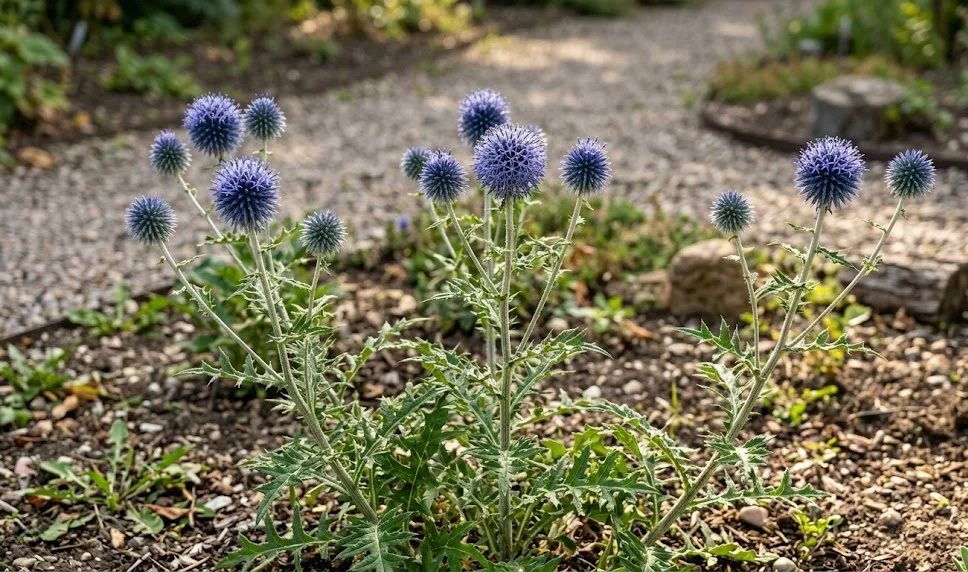

Understanding the specific light requirements of the blue globe thistle is fundamental to achieving the best possible growth and flowering performance. Like many species that originate from open, sunny habitats, this plant is biologically programmed to thrive under intense solar radiation. Providing the correct amount of light influences everything from the strength of the stems to the richness of the blue color in the flower heads. A professional approach to light management ensures that your garden remains a healthy and visually stunning environment.
The primary rule for growing successful blue globe thistles is to provide them with as much direct sunlight as possible. Ideally, the plants should receive at least six to eight hours of full sun every day during the peak growing season. This high level of light energy is necessary for the plant to carry out efficient photosynthesis and produce the carbohydrates needed for blooming. Without enough sun, the plant will struggle to develop the iconic spherical flowers that make it so famous.
Morning sun is particularly beneficial as it helps dry the leaves after the night’s dew or any early morning rain. Keeping the foliage dry for as much of the day as possible is a key strategy for preventing common fungal diseases like powdery mildew. If you have to choose between a site with morning sun or one with only afternoon sun, the morning exposure is generally preferred. This natural rhythm of light and drying is a perfect match for the thistle’s physiological needs.
In regions with extremely hot summer climates, the plants may appreciate a tiny bit of late afternoon shade to prevent heat stress. However, this should be the exception rather than the rule, as too much shade will quickly lead to poor performance. If you notice the plants becoming “leggy” or leaning heavily toward the light, it is a clear indication that they are not getting enough sun. Adjusting the surrounding landscape to let more light in can often fix these issues without having to move the plant.
The impact of light on plant structure
Light levels have a direct and measurable impact on the physical structure and stability of the blue globe thistle’s stems. In full sun, the plant develops thick, sturdy stalks that are capable of supporting the heavy weight of the mature flower heads. The internodes, or the space between the leaves on the stem, remain short and compact in high-light conditions. This results in a much more balanced and attractive plant that is less likely to flop over in the wind or rain.
More articles on this topic
When the light is insufficient, the plant undergoes a process called etiolation, where it stretches its stems in a desperate search for more sun. These elongated stems are much thinner and weaker than those grown in full sun, often requiring extensive staking to stay upright. This structural weakness not only looks unprofessional but also makes the plant more vulnerable to mechanical damage. Providing the correct light environment from the start is the best way to ensure a strong and healthy architectural form.
The color and texture of the foliage are also influenced by the amount and quality of the light the plant receives. In bright conditions, the leaves develop a more pronounced silver or blue-green hue, which is a natural adaptation to reflect excess radiation. This characteristic coloration is one of the plant’s most attractive features and is most intense when the light levels are high. If the foliage appears dull or strictly green, it may be a sign that the plant is craving more sunlight for its metabolic processes.
Professional landscape designers often use the thistle’s light-loving nature to their advantage by placing it in the most prominent, sunny spots of the garden. It can act as a solar “anchor” that draws the eye to the brightest parts of the border during the height of summer. Understanding how light interacts with the plant’s form allows you to create more dynamic and successful garden compositions. The relationship between light and structure is a fundamental principle of professional horticultural practice.
Light quality and flower development
The development of the thistle’s spherical flowers is highly sensitive to the duration and intensity of the light available to the plant. It is the high-energy blue and red wavelengths from direct sunlight that trigger the formation of the complex flower structures. If the light is filtered through the canopy of a tree or a fence, the resulting flowers may be smaller or less perfectly shaped. To achieve those professional-grade “globes,” you must ensure there is no obstruction between the sun and the plant.
More articles on this topic
Color intensity in the blooms is also a direct product of the light environment, as the pigments require solar energy to fully develop. You will notice that the blue is much more vibrant and saturated in plants grown in open, sunny fields compared to those in shaded garden corners. This visual impact is the primary goal for many gardeners, and light is the single most important factor in achieving it. Maximizing sun exposure is like turning up the volume on the plant’s natural beauty.
The timing of the bloom cycle can also be influenced by the amount of light the plant receives throughout the spring and early summer. Plants in the sunniest spots will often bloom earlier and for a longer duration than those in more shaded areas. This is because they can accumulate the necessary energy reserves more quickly and sustain the blooming process for longer. By managing the light environment, you can have some influence over the floral calendar of your garden.
Finally, consider how the changing angles of the sun throughout the year will affect the light levels in your specific garden beds. A spot that is in full sun in mid-summer might be in deep shade during the spring when the plant is just starting its growth. Observing these seasonal changes helps you make more informed decisions about where to place your perennials for long-term success. A professional gardener is always thinking several steps ahead about how the light will move across their landscape.