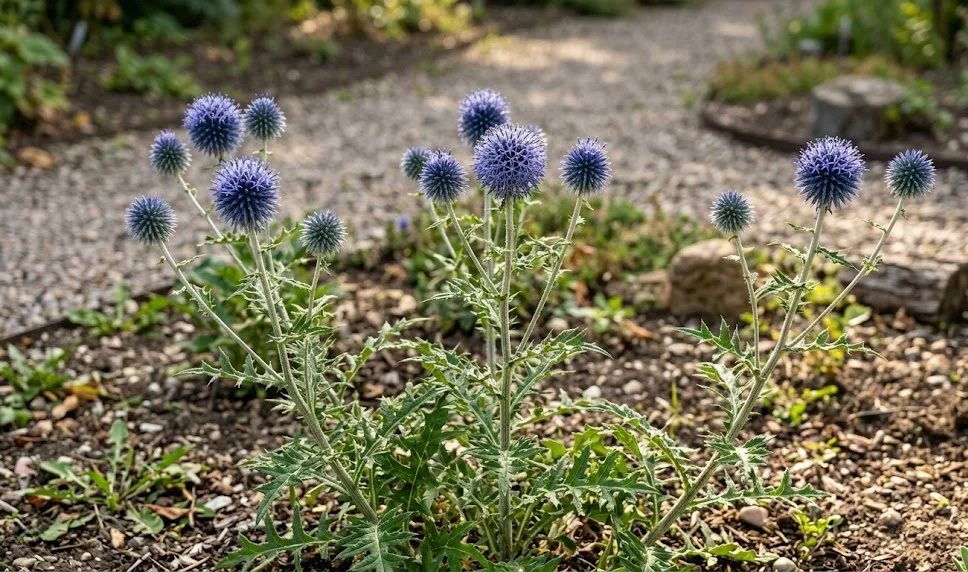

Protecting the blue globe thistle from various biological threats is a key responsibility for any dedicated gardener or agricultural professional. While this species is remarkably robust and less prone to issues than many other garden plants, it is not entirely immune to problems. Early identification of symptoms is the most effective way to manage potential outbreaks before they become a serious threat to the plant’s health. A proactive approach to plant protection ensures your garden remains a vibrant and healthy ecosystem throughout the year.
Fungal infections are perhaps the most common issue you might encounter, especially during periods of wet and humid weather. Powdery mildew often appears as a white, flour-like coating on the surface of the leaves during the late summer months. While it is usually more of an aesthetic issue than a fatal one, it can weaken the plant if left completely unchecked. Ensuring good air circulation and avoiding overhead watering are the best preventative measures you can take.
Root rot is a more serious fungal condition that typically occurs when the soil remains saturated for extended periods of time. You might notice the plant wilting even when the soil is wet, or the leaves may turn yellow and drop prematurely. Once root rot has taken hold, it can be very difficult to save the plant, so prevention through proper drainage is absolutely essential. If you suspect rot, you should immediately investigate the soil conditions and improve the drainage if possible.
Leaf spot diseases can also occur, presenting as small brown or black spots on the foliage that may eventually merge. These are often caused by various types of fungi that thrive in cool, damp conditions during the spring and autumn. Removing and destroying affected leaves can help slow the spread of the spores to other parts of the plant. Maintaining a clean garden environment by removing fallen debris is a simple but effective strategy for managing these issues.
Identifying and managing common pests
Aphids are small, soft-bodied insects that can occasionally cluster on the new growth or the undersides of the leaves. They feed by sucking the sap from the plant, which can lead to distorted growth and a general loss of vigor if the population is large. You can often manage small infestations by simply spraying the plants with a strong stream of water from a garden hose. For more persistent problems, using an organic insecticidal soap is a safe and effective professional solution.
More articles on this topic
Slugs and snails can sometimes be a problem for young seedlings or the soft new growth that emerges in the early spring. These pests are most active at night or during damp, cloudy weather when they come out to feed on the tender tissues. Creating barriers with grit or using organic slug pellets can help protect your plants from significant damage during this vulnerable stage. Encouraging natural predators like birds and toads into your garden is another great way to keep these populations in check.
Spider mites are tiny pests that can become an issue during hot, dry weather when the plant is already under environmental stress. They are often difficult to see with the naked eye, but you might notice fine webbing and a stippling or bronzing of the leaves. Increasing the humidity around the plant or using a neem oil spray can help reduce the mite population without harming beneficial insects. Keeping the plants well-hydrated during heatwaves makes them much less attractive to these specific pests.
Caterpillars may occasionally feed on the leaves, but they rarely cause enough damage to threaten the survival of an established plant. In many cases, the blue globe thistle serves as a host for various beneficial insects, so a small amount of leaf damage is acceptable. If you find large numbers of caterpillars that are causing significant defoliation, you can remove them by hand and relocate them. Understanding the lifecycle of the insects in your garden helps you make informed decisions about pest management.
Preventative strategies for a healthy garden
The most effective way to deal with any disease or pest is to prevent it from ever becoming a problem in the first place. This starts with selecting healthy plants from reputable sources and ensuring they are planted in the correct environment. A plant that is growing in its ideal conditions of sun and drainage is much more resilient to biological attacks. Strong, healthy tissues are the first and best line of defense against both insects and pathogens.
More articles on this topic
Crop rotation and spacing are principles from large-scale agriculture that can be applied effectively to the home garden as well. Avoid planting thistles in the same spot where diseased plants were recently removed to prevent the reinfection of the new specimens. Giving each plant enough space to grow without touching its neighbors reduces the ease with which pests and diseases can move through the border. These simple spatial habits create a much more stable and manageable garden environment for the long term.
Sanitation is a critical part of professional garden maintenance that should never be overlooked throughout the growing season. Always clean your pruning tools with a disinfectant before moving from one plant to another to avoid spreading pathogens. Removing spent flowers and fallen leaves reduces the amount of organic material available for fungi to grow on during damp weather. A tidy garden is not just about looks; it is a fundamental part of a comprehensive plant health program.
Monitoring your plants on a regular basis allows you to catch issues while they are still small and easily managed. Spend a few minutes each week walking through your garden and looking closely at the leaves and stems of your thistles. Look for any changes in color, texture, or the presence of unusual insects that might indicate a problem is developing. This consistent attention to detail is what allows professional gardeners to maintain such high standards of plant health.
Organic and integrated pest management
Integrated Pest Management (IPM) is a professional approach that combines various methods to manage pests in an environmentally sensitive way. It starts with non-chemical interventions like physical barriers, hand-picking, and encouraging natural biological controls within the garden. If these methods are not sufficient, you can then move to targeted applications of organic or low-toxicity products. The goal is to manage the pest population with the minimum possible impact on the surrounding ecosystem.
Encouraging beneficial insects like ladybugs, lacewings, and hoverflies is a key part of a successful biological control strategy. These insects are natural predators of many common garden pests and can help keep populations at a manageable level. You can attract these “garden heroes” by planting a variety of flowers that provide them with pollen and nectar throughout the year. The blue globe thistle itself is an excellent plant for attracting a wide range of beneficial wildlife to your outdoor space.
Neem oil and horticultural oils are versatile organic tools that can be used to manage both fungal issues and various types of insects. These products work by coating the pests or spores and interfering with their normal biological processes without leaving harmful residues. Always apply these products in the early morning or late evening to avoid any potential leaf burn from the sun. Following the label instructions precisely ensures you get the best results while protecting the health of your plants.
Home-made remedies, like a simple solution of baking soda and water, can sometimes be effective against early stages of powdery mildew. Many professional gardeners have their own favorite recipes that they have refined over years of practical experience in the field. While these solutions are often less powerful than commercial products, they are a great first step for small-scale garden issues. Experimenting with different organic approaches will help you find the best balance for your specific garden conditions.
Dealing with severe or persistent issues
In some cases, despite your best efforts, a plant may become so heavily infested or diseased that it cannot be saved. If this happens, it is often best to remove the entire plant and dispose of it in the trash rather than the compost pile. This prevents the pathogens or pests from surviving in your compost and returning to the garden in the future. Recognizing when a plant is beyond help is an important part of professional garden management and resource allocation.
Soil solarization is a technique that can be used to clean a specific area of the garden after a severe disease outbreak. By covering the soil with clear plastic during the hottest months of the summer, you can raise the temperature enough to kill many soil-borne pathogens. This process takes several weeks but can be a very effective way to reset the health of a contaminated planting bed. It is a powerful tool that should be reserved for cases where other management strategies have failed.
Consulting with local agricultural experts or garden centers can provide valuable insights into regional pest and disease trends. Often, a specific issue might be affecting many gardens in your area due to the local weather patterns or newly introduced species. Sharing information with other gardeners helps everyone stay informed and better prepared for potential challenges. A community-based approach to plant health is often more effective than working in isolation.
Finally, keep in mind that a perfectly pest-free garden is neither possible nor desirable for a healthy ecosystem. A small amount of insect activity is a sign of a vibrant and functioning environment where nature is in balance. Focus on maintaining a level of health where the plants can thrive and produce beautiful flowers even if they have a few spots on their leaves. The resilience of the blue globe thistle is your best ally in creating a beautiful and sustainable garden landscape.