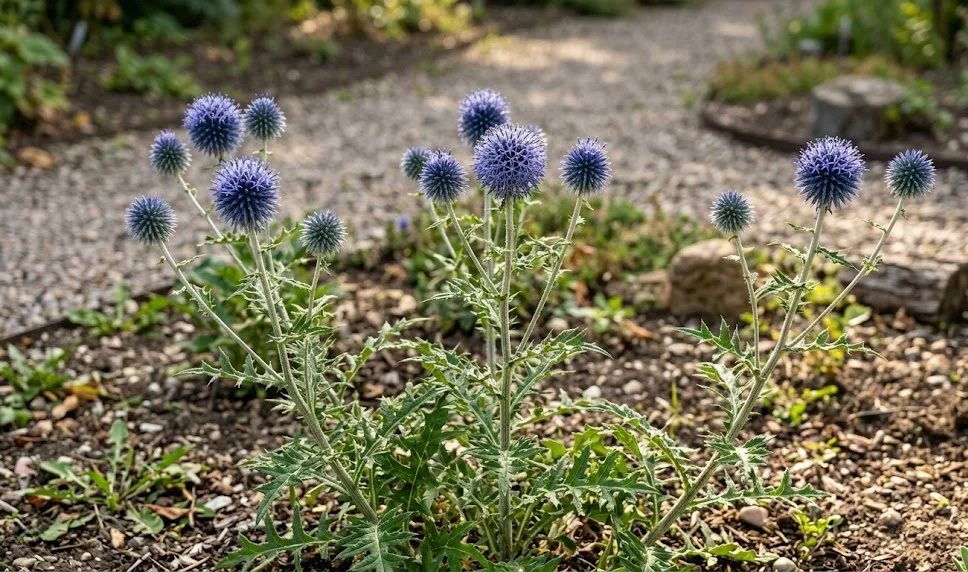

The blue globe thistle is a remarkably resilient perennial that brings a unique structural element to any garden landscape with its spherical flowers. Proper care begins with understanding the specific environmental needs that allow this plant to thrive throughout the growing season. While it is often praised for its low maintenance, achieving the best results requires a thoughtful approach to site management. Professionals often recommend this species for its ability to withstand challenging conditions while maintaining its aesthetic appeal.
The soil environment plays a crucial role in the overall health and vigor of the plant over several years. You should ensure that the ground is well-drained as stagnant water can lead to root issues during the winter. Even though it tolerates poor soils, adding a bit of organic matter can improve the texture and nutrient availability. Observing the drainage patterns after heavy rain will help you decide if any soil amendments are necessary for long-term success.
Managing the space around the base of the plant is essential for reducing competition for vital resources. Regular weeding prevents unwanted species from stealing moisture and nutrients that the thistle needs for its intensive blooming period. Applying a thin layer of mulch can help suppress weeds while keeping the root zone at a relatively stable temperature. It is important to avoid over-mulching directly against the crown to prevent moisture-related decay in that sensitive area.
Monitoring the growth progress during the early spring allows you to address any potential issues before the blooming season starts. As the foliage expands, you might notice the characteristic silver-green hue that distinguishes this variety from other garden perennials. Healthy leaves are a strong indicator that the root system is established and functioning efficiently within its environment. Taking the time to observe these early signs of vitality ensures a spectacular display of blue globes later in the summer.
Site selection and environmental adaptation
Choosing the right location for your thistle is the most significant decision you will make regarding its long-term care. These plants prefer open spaces where air circulation is consistent and helps keep the foliage dry after morning dew. High humidity can sometimes be a challenge, so placing them in a breezy spot is a wise strategic move. Most gardeners find that southern exposures provide the best results for both flower intensity and stem strength.
More articles on this topic
The surrounding plants should be chosen carefully to ensure they do not overshadow the thistle as it grows. Because it can reach a significant height, it serves well as a mid-border or background element in a floral arrangement. Taller companions should be spaced far enough away to prevent any light competition during the peak growing months. This balance creates a harmonious garden design where every species has enough room to express its natural form.
Urban environments often present unique challenges like heat islands or compacted soils that might stress less hardy plants. The blue globe thistle adapts surprisingly well to these conditions, making it a favorite for city park landscaping and modern gardens. Its deep taproot allows it to tap into deeper moisture reserves that surface plants cannot reach during hot spells. This inherent toughness is why many landscape architects include it in their drought-tolerant designs for public spaces.
Soil alkalinity is another factor that you should consider when preparing the site for your new garden addition. This species actually performs quite well in slightly alkaline or neutral soils, which are common in many residential areas. If your soil is excessively acidic, you might consider adding a small amount of lime to balance the pH levels. Testing the soil before planting provides a clear roadmap for any necessary adjustments to the chemical composition.
Seasonal maintenance routines
Spring is the time when the garden wakes up, and your care routine should focus on cleaning up the previous year’s debris. Removing old stems and dead leaves allows the new shoots to emerge without any physical obstructions in their path. This early season maintenance also reduces the hiding spots for pests that might have overwintered in the garden litter. A clean start sets a positive tone for the entire growing cycle of your perennial border.
More articles on this topic
As summer approaches, the focus shifts to supporting the tall flower stalks that begin to rise from the foliage. In areas with strong winds, you might find it helpful to provide some discreet staking to prevent the stems from bending. While the stems are generally sturdy, the weight of the large flower heads can become significant after a heavy rainfall. Using natural materials like bamboo or dark metal stakes keeps the support nearly invisible to the casual observer.
Late summer care involves monitoring the fading flowers and deciding whether to leave them for visual interest or remove them. Leaving the dried heads can provide food for birds and add a structural element to the garden during the autumn months. However, if you prefer a tidier look, cutting them back after the color fades can encourage a cleaner appearance. This choice depends entirely on your personal aesthetic preferences and the overall style of your landscape design.
Autumn is the perfect season for evaluating the performance of the plant and planning for any future adjustments. You can observe how the foliage changes color and how the plant prepares for the coming period of dormancy. This is also a good time to mark the location of the plants so you do not accidentally disturb them during early spring digging. Keeping a garden journal can help you remember which care techniques worked best during the past year.
Structural integrity and support
The architectural form of the blue globe thistle is one of its most prized characteristics in a professional garden setting. Maintaining this structure requires an understanding of how the plant supports its own weight as it matures. Younger plants might need more attention as their root systems are not yet deep enough to provide maximum stability. Providing a stable environment from the start ensures that the plant develops a strong and upright growth habit.
Wind protection can be achieved through clever planting rather than just relying on mechanical supports like stakes or cages. Placing the thistle near shorter, denser shrubs can create a natural windbreak that protects the lower portions of the stems. This layering technique not only provides physical support but also enhances the visual depth of your garden beds. It is a common strategy used by professional designers to create resilient and beautiful outdoor spaces.
Soil density can also affect the structural stability of the plant, especially during periods of heavy rain and wind. In very loose or sandy soils, the taproot might struggle to hold the plant perfectly upright under the weight of the blooms. If you notice leaning, you can gently firm the soil around the base or add a bit of heavier compost to the surface. Small adjustments like this can make a significant difference in how the plant presents itself during the height of summer.
The height of the plant often fluctuates depending on the nutrient levels and the amount of water it receives during the spring. Very rich soil might cause the plant to grow too quickly, leading to softer stems that are more prone to flopping. Understanding the relationship between growth rate and structural strength is key to maintaining a professional-looking garden. Aiming for steady, consistent growth rather than rapid expansion usually results in a much sturdier specimen.
Aesthetic management and color
The intense blue color of the flower heads is the primary reason many people choose to grow this specific thistle. To maintain this vibrancy, it is essential to ensure the plant is healthy and receiving the correct amount of sunlight. Stress from drought or poor nutrition can sometimes lead to muted colors or smaller flower heads than expected. Proper care directly translates into the visual impact the plant makes in your landscape throughout the season.
The contrast between the spiny, silver foliage and the deep blue globes creates a striking visual texture in any border. You should aim to keep the foliage clean by avoiding overhead watering which can sometimes leave mineral deposits on the leaves. Clean leaves not only look better but also function more efficiently for the plant’s overall metabolic processes. This attention to detail is what separates a standard garden from a professionally managed landscape.
Integrating the blue globe thistle with other colors in the garden requires a bit of artistic planning and foresight. It pairs exceptionally well with yellow flowers or silver-leaved plants, which highlight the unique blue tones of the spheres. When planning your garden, consider the bloom times of neighboring plants to ensure a continuous and complementary display. The thistle usually acts as a reliable anchor that ties different sections of the garden together.
Managing the transition from fresh blooms to dried heads is an important part of the aesthetic care process. Some gardeners prefer to harvest the flowers just as they reach full color to use them in dried floral arrangements. This allows you to enjoy the beauty of the thistle inside your home while also thinning out the plant. If you choose to harvest, use sharp shears to ensure a clean cut that doesn’t damage the remaining stems.
Long-term health and vitality
A blue globe thistle can live for many years if it is provided with the right conditions and minimal interference. Avoid moving the plant once it has established its deep taproot, as this can cause significant transplant shock. If you must move it, do so in very early spring while the plant is still largely dormant. Long-term success is usually the result of finding the perfect spot and letting the plant mature naturally.
Soil exhaustion is rarely an issue with this species, but it is still good practice to top-dress the area occasionally. A light application of well-rotted compost every two or three years provides enough slow-release nutrients for sustained health. You do not need heavy chemical fertilizers, as they can often do more harm than good to the plant’s natural balance. Sustainable gardening practices are generally the best approach for maintaining the long-term vitality of this perennial.
The center of the plant may occasionally become overcrowded after several years of successful growth in the same spot. While it does not require frequent division like some other perennials, you should keep an eye on the density of the crown. If you notice the flowers getting smaller or the center appearing woody, it might be time to refresh the plant. Professional growers often use this as a sign to perform a careful rejuvenation procedure to restore the plant’s energy.
Climate resilience is one of the greatest strengths of the blue globe thistle in a changing environment. It handles extreme heat and cold equally well, provided the soil conditions remain favorable for its root system. This reliability makes it an excellent choice for gardeners who want to minimize the risk of plant loss due to weather. Investing your time in the care of this plant pays off in the form of a dependable and beautiful garden staple.
Expert tips for professional results
One professional secret to better blooms is to ensure the plant has sufficient space for lateral air movement. Crowding too many plants together creates a microclimate that is often too humid for the thistle’s liking. Leaving a bit of “breathing room” around each specimen encourages better branch development and more flower heads. This simple spatial adjustment can significantly increase the total number of blue globes you see each year.
Observing the local insect population can give you clues about the health and attractiveness of your garden. The blue globe thistle is a magnet for bees and butterflies, which adds a layer of movement and life to your landscape. A high level of pollinator activity is usually a sign that your plants are producing high-quality nectar and pollen. Encouraging this biodiversity is a key goal for many modern agricultural and gardening professionals.
Watering at the base of the plant rather than from above is a technique that helps prevent many common leaf problems. Keeping the foliage dry reduces the risk of fungal spores taking hold and spreading across the garden bed. A simple drip irrigation system or a careful hand-watering routine is all it takes to make this change. It is a small procedural shift that leads to much healthier and more attractive plants over time.
Finally, do not be afraid to experiment with different planting combinations to see what works best in your specific microclimate. Every garden has its own unique characteristics of light, wind, and soil that influence how a plant grows. Taking note of these variables will help you refine your care techniques and become a more effective gardener. The journey of caring for the blue globe thistle is one of continuous learning and rewarding visual results.