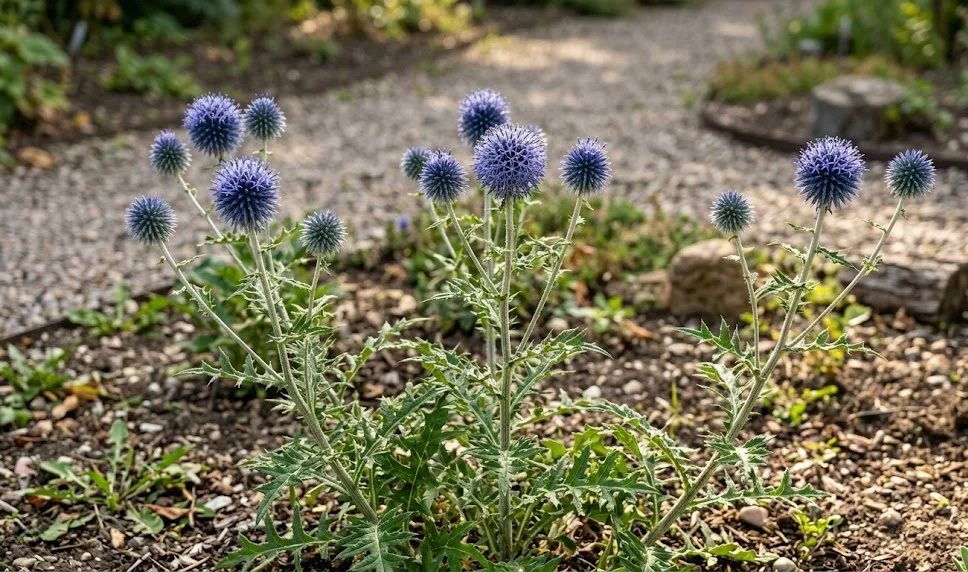

Mastering the art of pruning and cutting back is essential for maintaining the shape, health, and visual appeal of the blue globe thistle. While it is a relatively low-maintenance plant, timely interventions can encourage a more prolific display of flowers and prevent the garden from looking untidy. Pruning is not just about removing dead material; it is a strategic tool used to manage the plant’s energy and growth habit. Following a professional pruning schedule ensures your thistles remain a highlight of your landscape year after year.
The first opportunity for pruning typically arrives in the late spring when the new growth is just beginning to establish itself. Some gardeners choose to “pinch back” the young stems to encourage more branching and a denser, bushier growth habit. This technique involves removing the very tip of the main growing shoot when it is about fifteen to twenty centimeters tall. While this might delay the first blooms slightly, it often results in more flower heads per plant overall.
During the height of summer, the primary pruning task is deadheading, which is the removal of faded or spent flower heads. By cutting off the old flowers before they have a chance to set seed, you can sometimes encourage the plant to produce a second, smaller flush of blooms. Use sharp shears to cut the flower stem back to a healthy set of leaves or a lateral bud. This practice keeps the plant looking fresh and prevents unnecessary energy from being diverted into seed production.
If you prefer to leave the flowers for their architectural interest in the winter, you can skip the summer deadheading process entirely. The dried spheres have a unique beauty of their own and provide a valuable food source for various bird species during the colder months. Many modern landscape designs incorporate these dried structures to add texture and depth to the winter garden landscape. The choice between deadheading and leaving the seeds depends on your personal aesthetic and ecological goals.
Rejuvenation and seasonal cutting back
As the growing season comes to an end in late autumn, the plant will naturally begin to die back and enter a period of dormancy. This is the traditional time for the major “cut back,” where the entire plant is reduced to a few centimeters above the ground. Removing the old, brown foliage and stems creates a clean look for the winter and reduces the chance of pests overwintering in the debris. It also makes it much easier to see where the new growth will emerge in the following spring.
More articles on this topic
In some climates, gardeners prefer to wait until the early spring to do their major cutting back of the previous year’s growth. This approach provides a bit of extra protection for the crown of the plant during the coldest parts of the winter. If you live in an area with very wet winters, leaving the old stems can sometimes help prevent moisture from settling directly into the center of the plant. Both autumn and spring cutting are acceptable professional practices, so you can choose the one that fits your schedule.
When cutting back the plant, always use high-quality, sharp tools to ensure clean cuts that heal quickly and do not fray the tissues. Ragged cuts can become entry points for various diseases and pests that might compromise the health of the root system. Clean your tools with a mild disinfectant after each use to prevent the accidental spread of pathogens between different parts of your garden. Good hygiene is just as important as good technique when it comes to professional pruning and maintenance.
If an older plant has become woody or less productive in the center, a more aggressive rejuvenation pruning might be necessary. This involves thinning out some of the oldest parts of the crown to make room for younger, more vigorous growth to emerge. While this is not needed every year, it can be a great way to breathe new life into a specimen that is several years old. Monitoring the vitality of the plant over time will tell you when it is time for this more intensive intervention.
Tools and safety considerations
Choosing the right tool for the job makes pruning much easier and produces better results for the health of your plants. For most tasks related to the blue globe thistle, a pair of sharp bypass pruners is the most versatile and effective choice. These tools work like scissors, providing a clean, slicing cut that minimizes damage to the plant’s internal structures. Avoid using anvil-style pruners, which tend to crush the stems rather than cutting them cleanly.
More articles on this topic
Because the blue globe thistle has spiny leaves and stems, protecting your hands and arms is an important safety consideration. Wear a pair of sturdy, puncture-resistant gardening gloves to avoid getting scratched or poked while you are working with the plant. Long sleeves can also provide an extra layer of protection for your forearms during more intensive pruning or cleanup tasks. A professional gardener knows that taking care of their own safety is part of being efficient and effective in the field.
Maintaining your tools in top condition is a sign of a true professional and ensures they are always ready for use. Regularly sharpen the blades of your pruners to maintain their cutting edge and reduce the effort required for each snip. Applying a light coat of oil to the moving parts prevents rust and keeps the tools operating smoothly throughout the season. Well-maintained tools are a joy to use and contribute to a more professional and enjoyable gardening experience.
Finally, always dispose of your pruning waste in a responsible manner, either by composting it or using your local green waste service. If the material you removed shows signs of disease, it is best to keep it out of your home compost pile to prevent future issues. Keeping your work area tidy as you go makes the whole process more efficient and leaves your garden looking its best. The finishing touches are what truly define a professional approach to gardening and agricultural management.