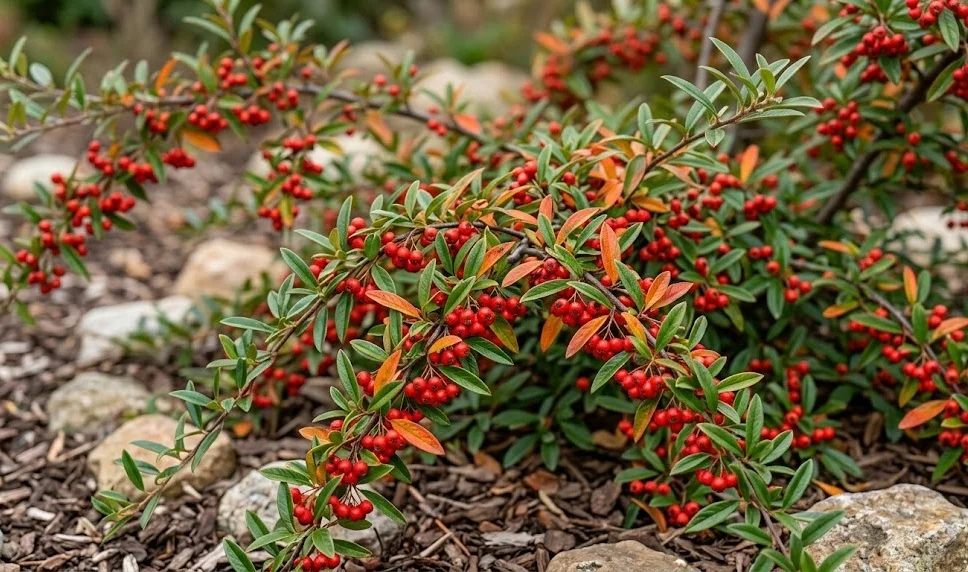

Protecting the willow-leaved cotoneaster from various biological threats requires a proactive management strategy that combines regular monitoring with cultural controls. While this species is generally robust, it is susceptible to specific pathogens and insects that can diminish its beauty or even threaten its survival. Identifying the early warning signs of an infestation or infection is the most critical step in successful pest management. By maintaining high standards of garden hygiene and plant health, you can minimize the impact of these common horticultural challenges.
Fire blight is perhaps the most serious bacterial disease that affects members of the Rosaceae family, including the cotoneaster. It often appears as if the branch tips have been scorched by fire, with the leaves turning black and curling into a characteristic “shepherd’s crook” shape. The bacteria spread rapidly during warm, humid weather, often carried by insects or splashing rain. If you detect fire blight, you must act quickly by pruning out the infected wood several inches below the visible symptoms.
Fungal infections, such as leaf spot or powdery mildew, can also occur during periods of high humidity and poor air circulation. Leaf spot typically appears as small, dark circles on the foliage that may eventually cause the leaves to drop prematurely. While these issues are rarely fatal, they can significantly reduce the ornamental value of the plant and weaken its overall vigor. To manage fungal diseases, you should focus on improving airflow around the shrub and avoiding overhead irrigation.
Scale insects and aphids are the most common pests that you might encounter on your willow-leaved cotoneaster. These sucking insects feed on the plant’s sap, leading to distorted growth and a sticky residue known as honeydew. This honeydew often attracts ants and provides a medium for the growth of black sooty mold, which further disfigures the foliage. Small populations of these pests can often be managed with a strong stream of water or by encouraging natural predators like ladybugs.
In addition to insects, lace bugs can sometimes cause a stippled or bleached appearance on the upper surface of the leaves. These tiny insects feed on the underside of the foliage, leaving behind dark spots of excrement that are a telltale sign of their presence. Severe infestations can lead to significant leaf bronzing and premature defoliation during the heat of summer. Professional-grade horticultural oils or insecticidal soaps are often effective treatments if applied correctly to both sides of the leaves.
More articles on this topic
Integrated pest management principles
Integrated Pest Management (IPM) is a professional approach that prioritizes long-term prevention and uses chemicals only as a last resort. This strategy begins with choosing the right plant for the right location to ensure maximum natural resistance. You should also maintain a diverse garden ecosystem that supports beneficial insects which can keep pest populations in check. By following these principles, you reduce the environmental impact of your gardening practices while maintaining a healthy landscape.
Regular scouting is a core component of IPM, as it allows you to catch problems before they reach a damaging threshold. You should develop a routine of inspecting your cotoneaster at least once a week during the active growing season. Look for signs of chewed leaves, unusual spotting, or the presence of egg masses on the stems. Taking notes on when certain pests appear can help you predict and prepare for future outbreaks in subsequent years.
Managing bacterial and fungal pathogens
Successful management of bacterial diseases like fire blight requires strict sanitation protocols to prevent the spread of the pathogen. You must sterilize your pruning tools with alcohol or a bleach solution after every single cut made into infected wood. Leaving infected debris on the ground can also serve as a source of re-infection, so all pruned material should be removed and destroyed. Chemical controls for bacteria are limited and often less effective than rigorous mechanical removal.
Fungal pathogens are often best managed through cultural practices that make the environment less hospitable for their growth. Thinning out the center of the shrub can increase light penetration and air movement, which helps the foliage dry out more quickly after rain. If chemical intervention is necessary, fungicides should be applied preventatively before the symptoms become widespread. Always follow the manufacturer’s instructions for application rates and timing to ensure the safety of the plant and the applicator.
More articles on this topic
Controlling common insect infestations
When dealing with sucking insects like scale or aphids, timing your intervention is key to achieving the best results. Scale insects are most vulnerable during their “crawler” stage when they are moving about the plant before settling down to form their protective shells. You can use double-sided tape on the branches to monitor for these crawlers and determine the best time for treatment. For aphids, a simple blast of water can often knock them off the plant and disrupt their feeding cycle.
Spider mites can also become a problem during hot, dry weather, causing the leaves to look dusty and eventually turn yellow. These microscopic pests thrive in dusty conditions, so keeping the area around the cotoneaster clean and well-hydrated can help deter them. If you suspect mites, you can shake a branch over a white piece of paper to see if any tiny dots start moving. Horticultural oils are very effective against mites but should be applied during the cooler parts of the day to avoid leaf burn.
Preventive measures for long-term health
The best defense against any pest or disease is a healthy, vigorously growing plant that can naturally wall off infections. Proper watering, balanced fertilization, and appropriate pruning all contribute to this natural resilience. You should also avoid creating wounds on the bark during the growing season, as these can serve as entry points for pathogens. Maintaining a clean garden environment by removing fallen leaves and spent fruit further reduces the potential for disease buildup.
Choosing resistant varieties is another professional strategy for minimizing future maintenance and pest issues. While the ‘Herbstfeuer’ cultivar is generally hardy, staying informed about local disease pressures can guide your management decisions. If a particular problem becomes recurring in your area, you might need to adjust your care routine or consider environmental modifications. A proactive and observant gardener is the most effective tool for keeping the willow-leaved cotoneaster healthy and beautiful.