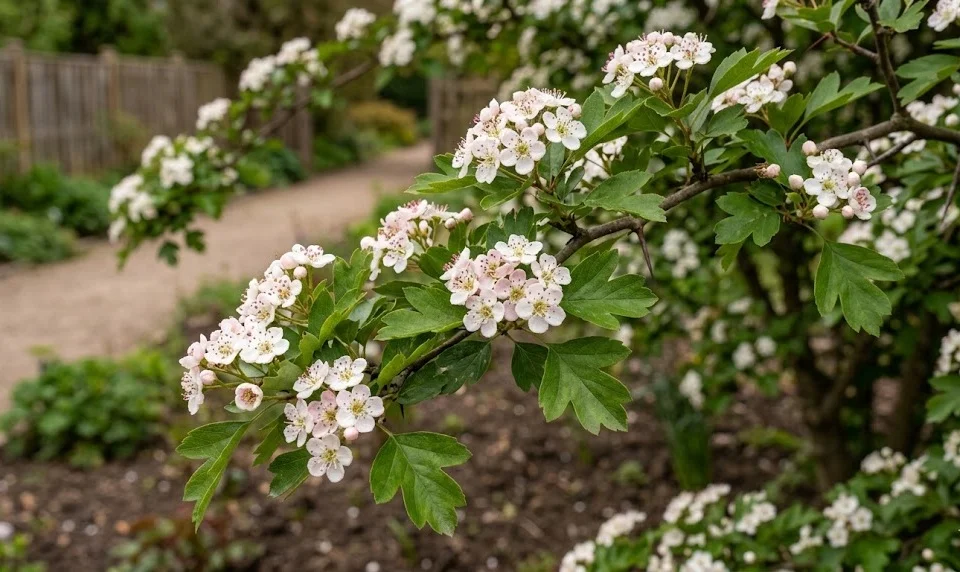

Understanding the light requirements of the midland hawthorn is essential for any gardener or professional landscaper who wishes to see this species achieve its full potential. Light is the primary source of energy for the tree, driving the complex process of photosynthesis that fuels growth, flowering, and fruit production. While this species is known for its adaptability, providing the optimal intensity and duration of sunlight is the key to a healthy, vibrant, and well-proportioned specimen. By carefully analyzing the light patterns in your garden, you can select a site where your hawthorn will truly flourish.
The midland hawthorn is generally classified as a sun-loving species that performs best when it receives at least six to eight hours of direct sunlight each day. In its natural habitat, it is often found on the edges of woodlands or in open meadows where it can bask in the full intensity of the sun. Full sun exposure encourages the development of a dense, compact canopy and a prolific display of spring blossoms. When a tree is grown in ideal light conditions, its branches are stronger and its overall resistance to pests and diseases is significantly enhanced.
While full sun is the gold standard for the midland hawthorn, the species is also remarkably tolerant of partial shade, making it a versatile choice for many landscape designs. In areas with very hot summers, a location that offers some afternoon shade can actually be beneficial, as it protects the leaves from extreme heat stress and sunscald. However, if the shade is too deep, the tree may become “leggy” or sparse as it stretches toward the light source. Finding the right balance between light and protection is a subtle art that requires a good understanding of your local climate and microclimate.
Light quality also plays a role in the tree’s development, as the spectrum of light changes throughout the day and the seasons. The morning sun is generally less intense and more humid, providing a gentle start to the tree’s daily metabolic activities. The harsh, direct light of midday and early afternoon is when the highest rates of photosynthesis occur, but it is also the time of greatest water loss through transpiration. Observing how your hawthorn reacts to these different light phases can help you fine-tune your other care routines, such as watering and mulching.
Maximizing photosynthesis and growth
Photosynthesis is the fundamental biological process by which the midland hawthorn converts light energy into the chemical energy it needs to survive. Every leaf on the tree acts as a tiny solar panel, capturing photons and using them to create sugars from carbon dioxide and water. The more efficiently the tree can perform this process, the faster it will grow and the more energy it will have to invest in reproduction. A well-lit tree will have thicker leaves with a higher concentration of chlorophyll, giving it a deep, healthy green color that is a hallmark of a thriving plant.
More articles on this topic
The density of the canopy is directly influenced by the amount of light that reaches the interior branches of the tree. In full sun, the hawthorn will produce a profusion of leaves and short, twiggy growth that creates a very thick and protective structure. This dense growth is not only aesthetically pleasing but also provides excellent nesting sites for small birds and a natural barrier for privacy or security. If light is restricted, the tree will produce fewer leaves and longer, thinner branches as it prioritizes reaching upward toward the sun.
Flower and fruit production are perhaps the most light-dependent aspects of the midland hawthorn’s life cycle. The energy required to produce thousands of blossoms and subsequent berries is enormous, and it can only be met if the tree has access to ample sunlight. Trees grown in significant shade will often produce far fewer flowers, and the berries that do form may be smaller and less vibrant in color. For those who value the seasonal display of the hawthorn, a sunny position is non-negotiable for achieving the best results.
Managing the surrounding vegetation is a necessary part of maintaining the light levels required for your hawthorn over the long term. As other trees and shrubs in the garden grow, they may begin to cast shade on your hawthorn, slowly reducing its vigor. Regular pruning of nearby plants to maintain an open and sunny environment is a standard practice for professional estate gardeners. Keeping the “light window” open ensures that your hawthorn continues to receive the energy it needs to remain a healthy and dominant feature of the landscape.
Adapting to challenging light conditions
If you must plant a midland hawthorn in a less-than-ideal light situation, there are several professional techniques you can use to help it adapt. Selecting a variety that is known for its shade tolerance is a good starting point, as some cultivars have been developed to perform better in lower light levels. You can also use reflective surfaces, such as light-colored walls or fences, to bounce extra sunlight back toward the tree. These small adjustments can make a significant difference in the tree’s overall health and appearance in a shaded garden.
More articles on this topic
Pruning for light penetration is another effective strategy for managing hawthorns in partially shaded or crowded locations. By thinning out some of the interior branches, you allow more light to reach the center of the canopy and the lower leaves. This not only improves the tree’s photosynthetic efficiency but also encourages more even growth and better air circulation. A well-pruned tree will have a more open and elegant structure that can be very attractive even in a more naturalistic or shaded setting.
Water and nutrient management must be adjusted when a hawthorn is grown in lower light conditions to compensate for its slower metabolism. Trees in the shade generally grow more slowly and use less water than those in full sun, so you must be careful not to overwater them. However, they may also be more sensitive to competition from the roots of the very trees that are creating the shade. Providing a regular but moderate supply of nutrients helps the tree maintain its strength even when its energy intake from the sun is limited.
In conclusion, the light requirements of the midland hawthorn are a critical factor that should guide every aspect of its care and placement. By providing the tree with the sunlight it craves, you are setting the foundation for a long and healthy life. Whether you are aiming for a spectacular floral display or a sturdy, functional hedge, light is the fuel that makes it possible. With a professional understanding of light dynamics, you can ensure that your midland hawthorn remains a bright and vibrant part of your outdoor space.