
Proper hydration during the initial weeks after planting is absolutely critical for establishing a strong root system. Young seedlings and newly planted tubers require consistent moisture to encourage deep root penetration. Dry conditions during this vulnerable phase can permanently stunt the plant’s future growth potential. Developing a regular watering schedule early on ensures long-term survival and vigor.
Water the newly planted area gently to avoid washing away the soil or exposing delicate roots. The goal is to keep the top few inches of earth moist but never completely saturated. Checking the soil moisture daily with your finger helps you determine when to water next. This hands-on approach prevents both dangerous dehydration and accidental overwatering during establishment.
As the young plants begin to grow, you can slowly increase the amount of water applied. Deep watering encourages the roots to grow downward into the cooler layers of the soil profile. Shallow watering creates a weak, superficial root system that suffers quickly during summer hot spells. Training the roots early prepares the plant to withstand future environmental stresses efficiently.
Morning is universally considered the best time to water your establishing garden plants. This timing allows the foliage to dry completely before the cool evening temperatures arrive. Wet leaves overnight can create an ideal environment for various troublesome fungal diseases to develop. Starting the day with adequate moisture helps the young plants handle intense afternoon sun.
Summer watering strategies
Summer requires a shift in your watering strategy to combat high temperatures and evaporation rates. Mature plants possess deep tuberous roots that store water, giving them decent drought tolerance. However, regular supplemental watering is necessary to maintain a lush appearance and continuous flower production. During prolonged dry spells, a deeper and more thorough watering routine becomes essential.
More articles on this topic
Aim to deliver about one inch of water per week through rainfall or irrigation. Soaker hoses or drip irrigation systems are excellent tools for delivering water directly to the soil. This targeted method minimizes water waste from evaporation and keeps the foliage dry and healthy. Adjust your schedule based on local weather conditions and extreme heat waves.
Mulching around the base of the plants is highly effective during the hot summer months. A thick layer of wood chips or shredded leaves preserves valuable soil moisture significantly. It also keeps the root zone cooler when afternoon temperatures reach their summer peak. This simple addition reduces the frequency of watering required to keep plants thriving.
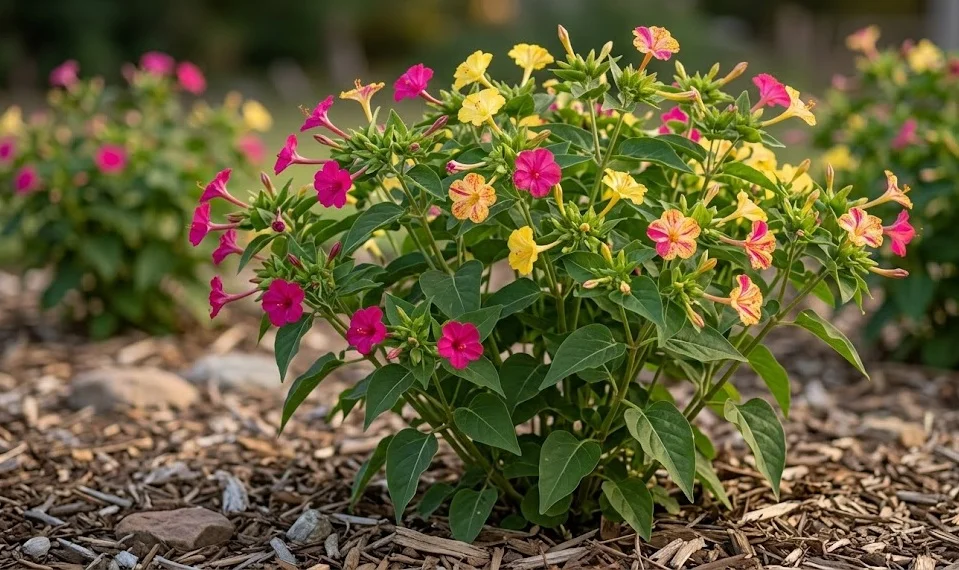
Pay close attention to plants grown in containers, as they dry out much faster than ground plants. Potted specimens may require daily watering during the height of a hot, dry summer. Ensure the containers have functional drainage holes to allow excess water to escape freely. Monitoring container moisture prevents sudden wilting and preserves the beautiful evening floral display.
Signs of overwatering and underwatering
Recognizing the early signs of moisture stress allows you to correct your watering habits promptly. Underwatered plants will display wilting leaves and a distinct lack of new flower buds. The foliage may turn dry and crispy along the edges before dropping off entirely. Providing water immediately usually revives the plant if the stress was brief.
More articles on this topic
Overwatering presents a different set of symptoms that can be equally damaging to health. Yellowing leaves that feel soft and limp often indicate that the soil is holding too much water. The stems may become mushy near the base, signaling the onset of root issues. Understanding these differences helps you diagnose problems accurately before permanent damage occurs.
Saturated soil deprives the root system of essential oxygen, causing the roots to drown slowly. When roots suffocate, they can no longer absorb nutrients or water for the upper plant. This paradox explains why an overwatered plant often looks wilted just like a dry one. Checking soil moisture levels below the surface clarifies the true situation immediately.
Adjusting your routine based on these visual cues keeps your garden beds beautifully balanced. If you detect overwatering, stop irrigating immediately and allow the soil to dry out completely. For underwatered specimens, implement a gradual deep-soaking routine to rehydrate the parched earth layers. Attentive observation is the secret to maintaining perfect plant health all season long.
Nutrient requirements and soil amendments
Understanding the specific nutrient requirements of these plants helps you choose the right soil enhancements. They are not extremely heavy feeders, but they do require a balanced diet to thrive. Nitrogen promotes lush green leaf growth, while phosphorus supports robust roots and abundant blossoms. Potassium strengthens the overall plant structure and improves resistance to common environmental stresses.
Incorporating rich organic compost into the soil before planting provides a wonderful slow-release nutrient source. Compost improves soil structure while naturally introducing a wide variety of essential micronutrients. This organic foundation supports beneficial soil microbes that help the roots absorb food easily. Amending the soil naturally reduces the need for synthetic chemical fertilizers later.
If your soil is naturally poor or sandy, additional amendments may be necessary for good results. Well-rotted manure or leaf mold can be worked into the topsoil during spring preparation. These materials increase the soil’s ability to hold nutrients instead of letting them wash away. Creating a nutrient-rich environment sets the stage for a spectacular summer flower show.
Avoid using fertilizers with excessively high nitrogen ratios on these particular flowering bushes. Too much nitrogen causes the plant to produce massive leaves but very few colorful blossoms. You will end up with a giant green bush instead of a flower-covered masterpiece. Selecting the proper nutrient balance ensures beautiful growth and maximum evening flower production.
Applying fertilizers throughout the season
Applying fertilizer at the right times ensures steady growth and continuous blooming until autumn. A light application of balanced fertilizer in early summer kickstarts the initial bud formation beautifully. You can repeat this feeding every four to six weeks during the active growing season. Always follow the manufacturer’s instructions to avoid over-fertilizing and damaging the roots.
Liquid fertilizers or water-soluble granules are highly effective for quick nutrient delivery during summer. These options are quickly absorbed by the root system, providing immediate support during peak bloom. Applying the fertilizer to moist soil prevents burning the sensitive root hairs near the surface. This careful method ensures the nutrients are utilized efficiently by the growing plant.
For a low-maintenance approach, consider using slow-release granular fertilizers early in the spring. These granules dissolve slowly over several months, providing a steady stream of nutrients to the roots. This method saves time and ensures the plants never experience sudden nutrient deficiencies. It is an excellent choice for busy gardeners who want reliable results.
Stop all fertilization efforts as the late summer transitions into early autumn weather. Feeding the plants late in the season encourages tender new growth that easily freezes. Allowing the plant to naturally wind down helps it prepare for the upcoming winter rest. This seasonal adjustment completes a successful year of nutrition management for your flowers.