
Proper hydration and nutrient management are the cornerstones of maintaining a healthy and vibrant silver ragwort in any garden setting. While this species is renowned for its drought tolerance, it still requires a consistent approach to watering, especially during its establishment phase and through extreme weather conditions. Balancing these needs without over-saturating the soil is an art form that every gardener must master to achieve the best results. Understanding the delicate relationship between water, soil, and the plant’s internal processes will ensure your silver ragwort remains a standout feature in your landscape.
When you first introduce silver ragwort to your garden, its watering needs are significantly higher than those of a well-established specimen. You should aim to keep the soil consistently moist but never waterlogged for the first few weeks after planting to help the roots take hold. It is best to water early in the morning, which allows any moisture on the foliage to dry quickly as the sun rises. This practice is essential for preventing the growth of fungi that thrive in the cool, damp conditions of the evening.
As the plant matures and its root system deepens, you can begin to taper off the frequency of your watering sessions. Silver ragwort is naturally adapted to the dry summers of the Mediterranean, meaning it can handle periods of low rainfall with relative ease. You should wait until the top inch or two of soil feels dry to the touch before providing a deep, thorough soaking. This method encourages the roots to grow deeper into the earth, which ultimately makes the plant more resilient and self-sufficient over time.
During the hottest parts of the summer, you might notice the plant looking slightly wilted during the late afternoon, but this is often a natural defense mechanism. Before you reach for the hose, check the soil moisture levels to see if the plant actually needs water or if it is just reacting to the heat. If the soil is still damp, it is better to wait until the evening to see if the plant recovers on its own as the temperature drops. Over-watering in response to heat stress can often do more harm than good by suffocating the roots in warm, wet soil.
Designing a fertilization strategy for foliage
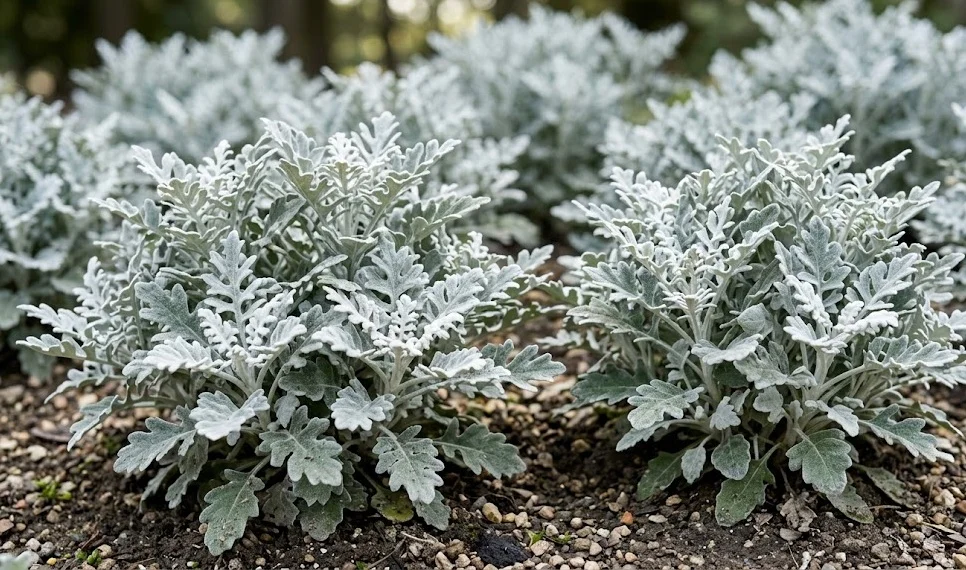
The primary goal of fertilizing silver ragwort is to support the production of its iconic silvery leaves rather than encouraging excessive leggy growth. Unlike many flowering perennials, this plant does not require high levels of nitrogen, which can actually cause the foliage to lose its compact shape and turn a duller green. A balanced, slow-release fertilizer applied once in the early spring is usually sufficient to provide all the nutrients the plant needs for the entire season. This approach ensures a steady supply of food without overwhelming the plant with a sudden burst of chemicals.
More articles on this topic
If you prefer using liquid fertilizers, make sure to dilute them to half the strength recommended on the packaging to avoid burning the sensitive roots. You should apply the fertilizer directly to the soil around the base of the plant, being careful to avoid getting any on the leaves themselves. Fertilizing every four to six weeks during the peak growing season can help maintain the plant’s vigor if your soil is particularly poor in nutrients. However, if your soil is already rich in organic matter, you may find that no additional fertilization is necessary at all.
Organic options, such as well-rotted compost or seaweed-based fertilizers, are excellent choices for gardeners who want to promote long-term soil health. These natural products release their nutrients slowly and help improve the overall structure and microbial life of the garden bed. Applying a thin layer of compost around the base of the silver ragwort in the spring can act as both a mild fertilizer and a moisture-retaining mulch. This holistic approach to plant nutrition often results in a more resilient and naturally beautiful specimen.
You should always monitor the appearance of your plants to determine if your fertilization strategy is working or if it needs adjustment. Signs of over-fertilization include unnaturally fast growth, weak stems, and a decrease in the intensity of the silver leaf color. Conversely, if the plant appears stunted or the older leaves are turning yellow prematurely, it may be a sign of a nutrient deficiency. Adjusting your routine based on these visual cues is the best way to provide exactly what your silver ragwort needs to thrive.
Managing water in different soil types
The efficiency of your watering routine is heavily influenced by the type of soil present in your garden, as different textures hold moisture in very different ways. In sandy soils, water drains away very quickly, meaning you may need to water your silver ragwort more frequently than in other environments. You can improve the water-holding capacity of sandy soil by incorporating organic matter, which acts like a sponge to keep moisture available for the roots. This ensures that the plant doesn’t suffer from extreme dehydration during dry spells.
More articles on this topic
In contrast, clay-heavy soils can retain water for long periods, which poses a significant risk of root rot for Mediterranean species like silver ragwort. If you are dealing with clay, you must be extremely cautious with your watering and ensure that the soil has dried out significantly between applications. Elevating the planting area or adding drainage materials like grit can help mitigate the dangers of heavy soil by allowing excess water to escape more easily. Understanding these soil dynamics is key to tailoring your care to the specific needs of your garden’s geology.
Loamy soil, which is a balanced mixture of sand, silt, and clay, is generally considered the ideal environment for most garden plants, including silver ragwort. This soil type provides excellent drainage while still holding onto enough moisture and nutrients to support healthy growth. In loamy conditions, a standard watering schedule of once or twice a week during dry periods is usually all that is required. You will find that silver ragwort grown in good loam requires less intervention and generally looks its best with minimal effort.
Regardless of your soil type, using a layer of mulch can help regulate the moisture levels and protect the roots from extreme temperature fluctuations. Mulching prevents the surface of the soil from baking into a hard crust, which can repel water and prevent it from reaching the root zone. By keeping the soil cool and moist underneath the mulch, you create a more stable environment that allows the silver ragwort to flourish. Just remember to keep the mulch away from the plant’s crown to maintain proper air circulation.
Signs of over-watering and underwatering
Learning to read the language of your plants is one of the most important skills a gardener can develop, especially when it comes to moisture levels. Underwatered silver ragwort will often have leaves that feel crisp or brittle to the touch, and the overall color may become a dull, dusty gray. You might also notice that the lower leaves start to turn brown and fall off as the plant tries to conserve its limited water resources. If you see these signs, a deep and thorough watering is needed immediately to rehydrate the tissues.
Over-watering, on the other hand, often presents as soft, mushy stems and leaves that may turn yellow or even black at the edges. This is a much more serious condition, as it often indicates that the roots are beginning to rot due to a lack of oxygen in the saturated soil. If you suspect over-watering, you should stop irrigation immediately and allow the soil to dry out completely before attempting to water again. In severe cases, you may need to lift the plant and move it to a better-drained location to save it.
Another subtle sign of moisture stress is a change in the plant’s growth habit, such as a sudden lack of new foliage during the active growing season. While silver ragwort is a moderate grower, it should still produce noticeable new silver leaves when conditions are right. If the plant seems “stuck” and the soil is either bone-dry or soaking wet, you have found the likely culprit for the lack of progress. Consistency is key, and aiming for that middle ground of “just right” moisture will yield the best results.
You should also be aware that the plant’s water needs will change depending on the weather conditions, such as humidity and wind speed. On a very windy day, the leaves will lose moisture much faster than on a calm day, even if the temperature is the same. Similarly, high humidity can slow down the plant’s transpiration rate, meaning it will need less water from the soil. Staying observant and adjusting your routine to match the daily weather will keep your silver ragwort in peak condition throughout the year.
Integrating hydration with professional garden maintenance
In a professional gardening context, irrigation systems are often used to provide a precise and automated way to manage water for large landscape projects. Drip irrigation is particularly well-suited for silver ragwort, as it delivers water directly to the soil surface without wetting the foliage. This reduces the risk of leaf spot diseases and ensures that every drop of water is used as efficiently as possible. Setting up a timer can also take the guesswork out of the process, providing a consistent schedule that the plants can rely on.
When you are planning your garden maintenance, it is helpful to group plants with similar water and fertilizer needs together in the same zone. This practice, known as hydrozoning, allows you to provide targeted care to each group without over-watering those that prefer drier conditions. Silver ragwort should be grouped with other drought-tolerant species like lavender, santolina, and various ornamental grasses. This not only makes your chores easier but also creates a more harmonious and sustainable garden ecosystem.
Professional gardeners also know the importance of checking the health of the soil on a regular basis to ensure that nutrients are not being leached away by heavy rains. Occasionally, you may want to conduct a soil test to see if any specific minerals are lacking or if the pH level has drifted too far in one direction. Knowing the exact composition of your soil allows you to make informed decisions about what type of fertilizer to use and how often to apply it. This scientific approach removes the trial and error often associated with plant care.
Finally, remember that the goal of all these efforts is to create a beautiful and healthy environment where your silver ragwort can shine. While it may seem like a lot to consider, most of these tasks become second nature once you get to know the specific rhythms of your garden. A well-watered and properly fed silver ragwort will reward you with months of stunning silver beauty and a structural elegance that is hard to match. Treat your plants with care and attention, and they will surely thrive under your expert guidance.