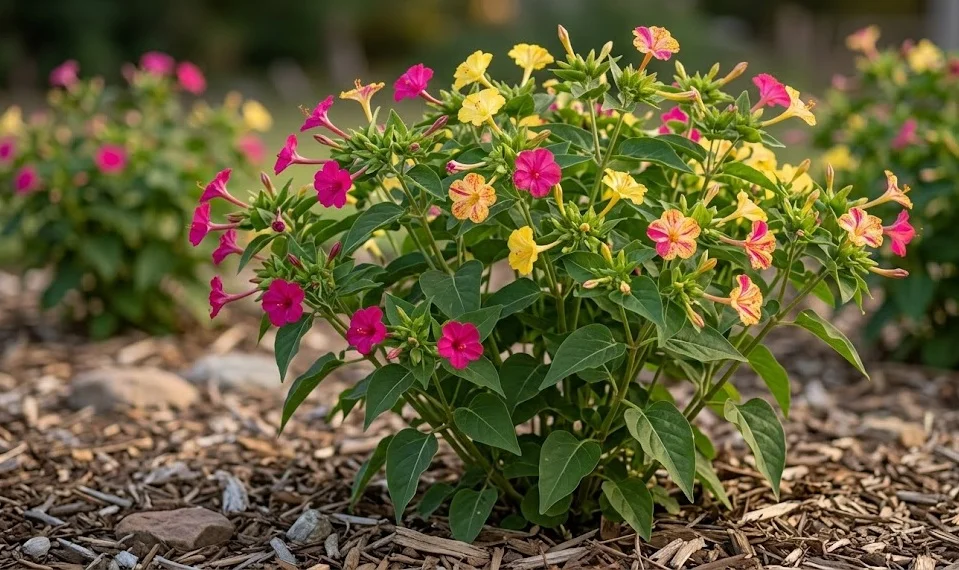

Pruning and pinching are simple yet highly effective techniques for managing the shape of these plants. Starting early in the season allows you to control their naturally expansive and bushy growth habits. Pinching out the young growing tips encourages the plant to branch out laterally rather than growing straight up. This proactive care results in a much more compact, sturdy, and flower-filled specimen.
When the young seedlings reach about six to eight inches in height, locate the main center stem. Use your fingers or sharp pruners to snip off the very top growth node cleanly. This action disrupts the dominant upward growth pattern and stimulates dormant side buds to activate. Within a couple of weeks, you will see new side branches forming below the cut.
You can repeat this pinching process on the side branches as they grow longer during late spring. This repeated intervention creates a highly dense, multi-branched framework capable of supporting massive amounts of flowers. It prevents the plant from becoming top-heavy and splitting under its own weight later on. Taking time to shape the young plants saves structural maintenance effort during the summer.
Cleanliness is vital whenever you are cutting or pinching living plant tissues in your garden. Always ensure your hands or tools are clean to avoid introducing harmful bacteria into wounds. The small cuts made during pinching heal very rapidly without requiring any special protective treatments. Shaping your plants early sets the foundation for an organized and beautiful garden display.
Mid season maintenance and deadheading
Mid-season maintenance involves regular deadheading to keep the plants looking fresh and blooming continuously. Deadheading is the practice of removing faded, spent flowers before they can form seeds. This task prevents the plant from wasting its valuable energy on seed production and reproduction cycles. Instead, that energy is redirected into creating a constant supply of fresh, colorful flower buds.
More articles on this topic
Spend a few minutes each week walking through your flower beds to check for spent blooms. Simply pinch or snip off the old flower heads just below the base of the blossom. This quick task keeps the foliage looking clean, neat, and highly professional throughout the summer. It also prevents the plants from dropping excessive amounts of seeds onto the ground below.
If the plants begin to look a bit overgrown or untidy in mid-summer, light pruning can help. You can trim back long, stray branches that are blocking pathways or crowding out neighbors. Cutting back to a healthy leaf node encourages fresh new growth and a second wave of blooms. This maintenance rejuvenation keeps the garden looking vibrant during the late summer slump.
Removing any yellowing, damaged, or diseased leaves from the inner branches is also beneficial now. This practice improves air circulation through the dense canopy, reducing the risk of fungal outbreaks. It allows more sunlight to reach the inner parts of the plant, promoting healthy growth everywhere. Consistent mid-season care ensures your evening display remains spectacular until the autumn weather arrives.
Post bloom cutting back
Post-bloom cutting back is the final step in the annual maintenance cycle for these seasonal plants. As autumn progresses and temperatures drop, the flower production will naturally slow down and stop. The once-vibrant foliage will begin to yellow and lose its attractive, crisp appearance after late-season storms. Preparing the plants for winter involves cutting the top growth back to the ground level completely.
More articles on this topic
Wait until a light frost has hit the garden and blackened the leaves before major cutting. This frost signals to the plant that it is time to move into its winter dormancy phase. Use sharp, clean loppers or garden shears to cut all the stems back to a few inches. Leaving a small stub helps you identify where the underground tubers are located if digging.
If you live in a warm climate zone where tubers stay in the ground, clear away debris. Removing the old, dead top growth eliminates hiding places for pests and fungal spores over winter. Cover the remaining stubs with a fresh, thick layer of protective insulating organic mulch. This mulch protects the sleeping roots from sudden temperature fluctuations during the coldest winter months.
For gardeners in cold climates, the cut stubs serve as handles during the root lifting process. Dispose of the removed foliage by composting it, provided it is free from major diseases. Clean and oil your pruning tools before storing them away for the winter season. Completing this final task wraps up a successful year of cultivation and prepares for next spring.