
Providing the right amount of sunlight is essential for the health and beauty of these plants. They thrive best when placed in locations that receive full sun exposure throughout the day. Adequate light levels drive the photosynthesis necessary for robust growth and heavy flower bud development. Understanding their sun preferences ensures your garden beds are filled with vibrant color all season.
Full sun generally means at least six to eight hours of direct sunlight daily. Plants grown in these ideal conditions develop strong, sturdy stems that resist breaking easily. The foliage remains dense and compact, creating a beautiful bushy appearance in the landscape. Most importantly, abundant sunlight maximizes the total number of flower buds produced by each plant.
When plants receive sufficient light, their overall resistance to pests and diseases increases significantly. Sun-drenched leaves dry quickly after morning dew or rain, reducing fungal infection risks. The intense light also encourages a more robust root system capable of storing energy efficiently. Choosing a sunny spot is the easiest way to ensure a trouble-free growing experience.
Observe your garden throughout the day to identify the areas with the best sun. Avoid planting these sun-loving flowers beneath the heavy canopy of mature trees or large shrubs. Giving them center stage in your sunniest beds rewards you with impressive growth and performance. Sunlight is truly the secret ingredient for cultivating magnificent, healthy specimens in your yard.
Managing partial shade scenarios
While full sun is ideal, these adaptable plants can tolerate partial shade locations relatively well. Partial shade means the plants receive around four to six hours of sunlight daily, often in the morning. They can adjust to these conditions, but you will notice differences in their growth habits. Understanding these changes helps you manage your expectations and garden designs effectively.
More articles on this topic
Plants grown in partial shade tend to develop a more open and leggy growth form. The stems stretch out toward the available light source, making them somewhat weaker and less compact. You may need to provide structural staking to keep these taller plants upright during storms. The foliage remains green, but the overall bushiness is noticeably reduced compared to sunny spots.
The most significant impact of shade is a reduction in the total number of blossoms produced. While the plant will still flower, the display will be less dense and dramatic. The individual flowers may also open slightly later in the evening due to lower light levels. However, in extremely hot climates, afternoon shade can protect the plants from burning.
If you must plant in partial shade, compensate by ensuring excellent soil nutrition and drainage. Avoid heavy shade areas where direct sunlight never penetrates, as plants will fail there. Selective pruning of nearby overhanging tree branches can help let more light reach your flower beds. With a few adjustments, you can still enjoy these lovely flowers in less-than-perfect spots.
How sunlight affects evening blooming
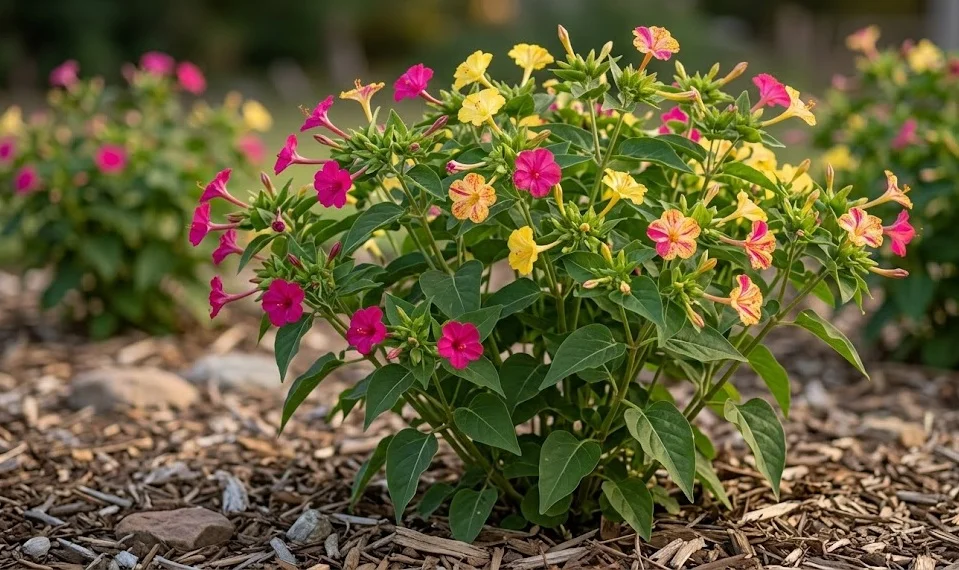
The relationship between sunlight and the daily opening of flowers is truly fascinating to observe. The blossoms remain tightly closed during the bright, intense daylight hours to conserve moisture and energy. As the sun begins to set and light intensity drops, the flowers react to the change. This unique behavior gives the plant its common name and creates an enchanting evening experience.
More articles on this topic
On cloudy, overcast days, you might notice the flowers opening much earlier than usual. The reduced light levels mimic the approach of evening, tricking the plant into blooming early. This environmental responsiveness adds an element of surprise and variety to your daily garden observations. It shows how closely connected these plants are to the natural rhythms of light.
The timing of the opening also depends on the specific location of the plants in your yard. Plants on the east side of a house enter shade earlier and may bloom sooner. Western-facing plants receive intense late-afternoon sun, which can delay opening until twilight arrives completely. Planning your garden layout around these lighting patterns allows you to choreograph the blooming display.
Once open, the flowers remain beautiful all night long, attracting nocturnal pollinators like moths. They close up again the following morning as the sun rises and light intensity increases. This daily cycle repeats reliably throughout the summer, providing continuous evening entertainment for you. Understanding this light-driven behavior enhances your appreciation for these remarkable, time-keeping flowers.