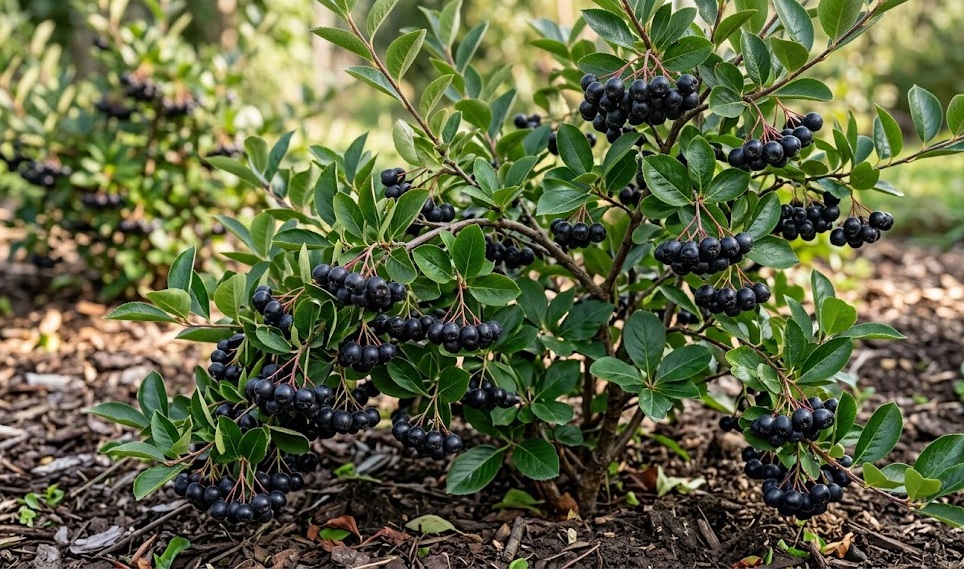

Light is the primary energy source that drives the growth and productivity of every plant in your garden, including the black chokeberry. While these shrubs are known for their exceptional adaptability to various environmental conditions, their performance is directly linked to the quality and quantity of light they receive. To achieve a professional level of success, you must understand how light influences everything from leaf development to the final sugar content of the berries. Proper placement and management of light resources will ensure that your shrubs reach their full potential and provide a bountiful harvest.
The relationship between light and photosynthesis is the engine that powers the plant’s ability to produce the nutrients it needs to thrive. You should recognize that the intensity of the sun changes throughout the day and across the seasons, presenting both opportunities and challenges for the grower. A site that is perfect in the early spring may become too intense during the peak of summer, or too shaded as nearby trees leaf out. Monitoring these changes allows you to make informed decisions about pruning, spacing, and the overall management of your berry patch.
A humanized approach to managing light requirements involves spending time in your garden at different hours to see how the shadows move across the landscape. You should feel the warmth of the sun on your skin and observe how the leaves of your shrubs react to the midday intensity. This direct connection with the environment helps you develop an intuitive sense for the plant’s needs that goes beyond simple textbook instructions. Being an expert means being in tune with the natural rhythms of your specific location and responding with care and precision.
Strategic management of light also plays a critical role in the prevention of diseases and the promotion of a healthy garden ecosystem. You should aim for a balance that provides enough energy for growth while also allowing for the air movement and drying that comes with adequate sunlight. A well-lit shrub is generally more resilient, more productive, and more aesthetically pleasing than one that is struggling in the shadows. By prioritizing light as a fundamental resource, you set the stage for a lifetime of successful and rewarding berry cultivation.
The impact of full sun
Full sun is generally defined as receiving at least six to eight hours of direct, unfiltered sunlight during the peak of the growing season. You should aim to place your berry shrubs in a location that maximizes this exposure, especially if your primary goal is a heavy harvest of sweet fruit. The intense energy of the sun allows the plant to produce a higher concentration of sugars and antioxidants in the berries, resulting in a superior flavor and nutritional profile. Plants grown in full sun also tend to have a more compact and sturdy growth habit, which makes them easier to manage and harvest.
More articles on this topic
While full sun provides the best conditions for fruit production, it also means that the plant will require more consistent attention to its water needs. You should recognize that the high evaporation rates associated with intense sunlight can quickly dry out the soil and stress the root system. Maintaining a thick layer of mulch and providing regular irrigation are essential tasks for anyone growing these shrubs in an open, sunny location. The trade-off for the extra work is a shrub that is vibrant, productive, and less prone to certain types of fungal infections.
The color of the autumn foliage is also significantly influenced by the amount of direct sunlight the plant receives during the late summer and early autumn. You should notice that shrubs in full sun often develop more dramatic and intense shades of red, orange, and purple as the temperatures drop. This aesthetic benefit makes the black chokeberry an excellent choice for landscape designs where seasonal interest is a high priority. Maximizing light exposure is therefore a win for both the productivity and the beauty of your garden or plantation.
Strategic pruning can help you make the most of the available sunlight by opening up the canopy and allowing light to reach the interior branches. You should remove any overcrowded or crossing stems that cast unnecessary shadows on the lower parts of the plant. This practice ensures that all the berries have a chance to ripen evenly and that the entire shrub remains vigorous and healthy. Professional light management is a continuous process of observation and adjustment that pays off in every aspect of the plant’s lifecycle.
Shade tolerance and limits
One of the most remarkable characteristics of the black chokeberry is its ability to grow and even thrive in partial shade or filtered light. You should consider this species if you have areas of your garden that do not receive the full intensity of the sun throughout the entire day. While the plant may grow more slowly and produce fewer berries in the shade, it will still maintain its healthy, dark green foliage and attractive form. This adaptability makes it a versatile choice for a wide range of landscape situations, from forest edges to the northern sides of buildings.
More articles on this topic
In shaded locations, the shrub may develop a more open and leggy growth habit as it reaches toward the available light sources. You should be prepared to provide a bit more structural support or more frequent light pruning to maintain a desirable shape in these conditions. The reduced light also means that the leaves will stay damp for longer periods after a rain or a heavy dew, which can increase the risk of fungal issues. Increasing the spacing between plants in shaded areas is a professional tip that helps to compensate for these environmental challenges.
The fruit produced in partial shade tends to be slightly larger but may have a lower sugar content and a more tart flavor than sun-ripened berries. You should adjust your harvest expectations and potentially your processing methods if you are growing your shrubs in a less-than-ideal light environment. These berries are still highly nutritious and excellent for juices, jams, or as a food source for local wildlife. Understanding the limits of the plant’s shade tolerance allows you to place it where it will be most successful for your specific goals.
Extreme shade, such as that found under the dense canopy of large evergreen trees, is generally not recommended for this species if you want a productive shrub. You should look for signs of stress, such as very thin stems, pale leaves, and a total lack of flowers or fruit, which indicate that the light levels are too low. In these cases, it may be necessary to trim back overhanging branches or move the shrub to a more hospitable location. Finding the right balance of light and shadow is an essential skill for any expert gardener or professional horticulturist.
Light and fruit development
The ripening process of the berries is a complex biological journey that is heavily dependent on the steady energy provided by sunlight. You should notice that the clusters of fruit on the sunny side of the bush often ripen faster and more uniformly than those in the shade. To ensure a consistent harvest, you may need to pick the berries in several stages as different parts of the shrub reach peak maturity. This attention to detail ensures that you are getting the highest quality fruit from every single branch of your berry patch.
Sunlight also plays a vital role in the development of the anthocyanins and other beneficial compounds that give the berries their characteristic dark color. You should recognize that these pigments are not just for show; they are part of the plant’s natural defense system and provide significant health benefits to those who consume the fruit. A berry that has been kissed by the sun is packed with more of the good stuff that makes this species so popular among health-conscious growers. Maximizing light exposure is the best way to boost the nutritional value of your homegrown produce.
During the bloom period, the presence of bright, warm light is essential for attracting the pollinators that are needed to fertilize the flowers. You should observe how the bees and other beneficial insects are much more active on sunny days, moving quickly between the white blossoms of your chokeberry shrubs. Poor light or cloudy weather during this critical window can lead to lower pollination rates and a significantly reduced crop of berries. A sunny location is therefore a key factor in ensuring a successful reproductive cycle for your plants every year.
Final thoughts on light requirements involve a commitment to working with the natural characteristics of your site to create the best possible home for your shrubs. You should remember that every garden is unique and that your role is to provide the best balance of resources for your specific plants. By prioritizing light as a strategic asset, you allow the black chokeberry to showcase its full range of beauty, health, and productivity. This thoughtful approach to gardening is what leads to a truly professional and rewarding experience in the world of horticulture.