
The cultivation of silver ragwort is a rewarding endeavor for any gardener looking to introduce unique textures and striking color contrasts into their landscape designs. This Mediterranean native is widely celebrated for its stunning silvery-gray foliage which provides a sophisticated backdrop for more vibrantly colored floral arrangements in the garden. While many people treat it as an annual, understanding its specific needs can help you maintain its vigor throughout the growing season and even beyond. Providing the right environment is the first step toward ensuring that your silver ragwort remains a healthy and visually appealing component of your outdoor space.
The soil quality plays a fundamental role in the overall health of silver ragwort, as it prefers well-drained conditions above all else. If you place this plant in heavy clay or waterlogged earth, you will likely encounter root rot issues that are difficult to reverse once they begin. It is often recommended to incorporate organic matter or sand into your planting site to improve the aeration and drainage capabilities of the soil. Experienced gardeners know that maintaining a slightly alkaline to neutral pH level will yield the best results for the foliage intensity.
The environmental conditions surrounding your garden will dictate how well the silver ragwort thrives during the peak of the summer months. Because it originates from coastal regions, it has developed a natural resilience to salty air and relatively poor soil conditions that other plants might find challenging. You should aim to place it in a location where air circulation is consistent to prevent the buildup of humidity around the dense leaves. This strategy helps in minimizing the risk of fungal infections which can sometimes mar the beauty of the distinctive silver hairs.
Maintaining the aesthetic appeal of this plant requires a bit of attention to its growth habits, especially during the flowering stage. Most enthusiasts choose to remove the yellow daisy-like flowers as they appear because the plant’s primary value lies in its decorative foliage rather than its blooms. By pinching off these flower buds, you encourage the plant to direct its energy back into producing more of the velvety silver leaves. This practice ensures a bushier and more compact growth habit that looks much tidier in a structured garden border.
Creating the ideal environment for growth
Establishing the perfect microclimate for silver ragwort involves balancing exposure to the elements with protection from extreme moisture. These plants are exceptionally hardy when it comes to heat, but they do not appreciate being crowded by taller, more aggressive species that might block their access to light. You should plan your garden layout so that each specimen has enough space to spread its foliage without competing for essential resources. This spacing also facilitates better light penetration, which is vital for keeping the lower leaves from turning brown or falling off prematurely.
More articles on this topic
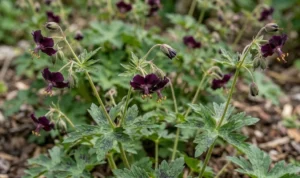
The selection of companion plants can significantly enhance the visual impact of your silver ragwort while also serving practical gardening purposes. Pairing the silvery leaves with dark purple salvias or deep red geraniums creates a high-contrast look that is very popular in contemporary landscape design. These companions often have similar drought-tolerant requirements, making them excellent partners for a low-maintenance garden bed. When you group plants with shared needs, you simplify your maintenance routine and create a more sustainable ecosystem in your yard.
Wind exposure is another factor that you should consider when deciding where to place your silver ragwort in the garden. While the plant is sturdy, constant high-velocity winds can dry out the foliage faster than the roots can replenish the moisture levels. It is often beneficial to provide some level of windbreak, such as a low wall or a group of sturdier shrubs, to protect the delicate texture of the leaves. This protection helps the plant maintain its characteristic soft appearance and prevents physical damage to the stems during stormy weather.
Urban gardeners will find that silver ragwort is an excellent choice for city environments where pollution and poor air quality can be an issue. The plant is remarkably tolerant of urban stressors, which makes it a frequent sight in public parks and roadside displays across the country. If you are planting in a balcony or a rooftop garden, ensure that your containers are heavy enough to avoid tipping over in the wind. Using a high-quality potting mix specifically designed for Mediterranean plants will provide the necessary structure for container-grown specimens.
Managing seasonal changes and growth cycles
As the seasons transition from the heat of summer into the cooler months of autumn, the behavior of silver ragwort shifts accordingly. You may notice that the growth rate slows down as the days become shorter and the intensity of the sun begins to fade. During this period, it is important to reduce the frequency of your maintenance tasks to allow the plant to prepare for its dormant phase. Observation is key here, as you want to ensure the plant remains healthy without over-stimulating it with late-season growth.
More articles on this topic
The transition period is also an ideal time to assess the overall structure of the plant and decide if any minor adjustments are needed for the following year. If the foliage has become too leggy or sparse, you might consider how the light patterns in your garden have changed over the months. Sometimes, neighboring plants may have grown larger than expected, casting shadows that were not present during the spring. Understanding these dynamic changes in your garden’s landscape will help you make better decisions for the plant’s placement in the future.
Humidity levels often rise during the autumn months, which can be a point of concern for those growing silver ragwort in damp climates. You should be vigilant about clearing away fallen leaves from other trees that might land on top of your silver ragwort and trap moisture. Keeping the crown of the plant clear and dry is essential for preventing crown rot during the wetter parts of the year. A clean garden bed is not just about aesthetics; it is a vital part of pest and disease management for all your perennials.
In many temperate regions, silver ragwort can persist through a mild winter, retaining its silvery hue even when other plants have gone dormant. This evergreen quality makes it a valuable asset for winter interest in the garden when most other greenery has disappeared. You should avoid heavy pruning during the late autumn, as the existing foliage provides a layer of natural protection for the plant’s core. Letting the plant remain somewhat intact through the winter is often the safest strategy for ensuring its survival until the next spring.
Enhancing foliage quality through specific care
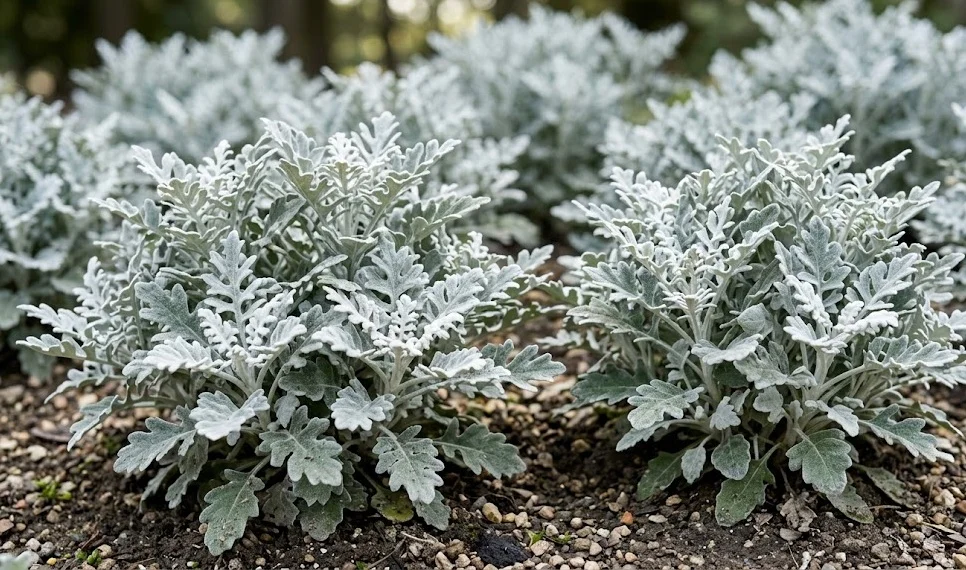
The distinctive silver color of the leaves is actually caused by fine, matted hairs that cover the surface of the plant. These hairs serve a dual purpose by reflecting intense sunlight and trapping a thin layer of air to reduce water loss through evaporation. To keep this silver sheen at its brightest, you should avoid spraying water directly onto the leaves when you are tending to the garden. Water droplets can sometimes flatten these hairs or lead to spotting, which diminishes the overall visual appeal of the foliage.
If you find that your silver ragwort is losing its characteristic gray color and turning more green, it is usually a sign that it is not receiving enough light. Plants grown in partial shade often produce more chlorophyll to compensate for the lower light levels, resulting in a greener appearance. Moving the plant to a sunnier location or thinning out overhanging branches from nearby trees can quickly resolve this issue. You will soon see the new growth emerging with that beautiful, sought-after metallic luster that defines the species.
Dust and debris can sometimes accumulate on the fuzzy leaves, especially if you live near a busy road or a construction site. While you should not use heavy sprays of water, a light misting on a breezy day can help clear away some of the buildup without causing long-term damage. Alternatively, some gardeners use a soft brush to gently clean the leaves of particularly prized specimens in their collection. This level of detail might seem excessive, but it can make a noticeable difference in the clarity and brightness of the plant’s color.
The density of the foliage is another indicator of the plant’s general health and the effectiveness of your care routine. A well-cared-for silver ragwort should feel firm to the touch and appear thick enough that you cannot easily see the central stems. If the plant appears thin or translucent, it may be struggling with a lack of nutrients or poor soil structure. Addressing these underlying issues will result in a more robust plant that can better withstand the various stresses of the outdoor environment.
Long-term health and sustainability in the garden
Thinking about the long-term presence of silver ragwort in your garden requires a focus on sustainable practices that don’t deplete the soil. Using organic mulches can help regulate soil temperature, but you must be careful not to place the mulch directly against the stems. Keeping a small gap between the mulch and the plant prevents excess moisture from causing rot at the base of the silver ragwort. This small detail can significantly extend the lifespan of your plants over several growing seasons.
Monitoring the soil’s drainage over time is also important, as garden beds can become compacted after years of foot traffic or heavy rains. Every few years, you might want to gently loosen the soil around your plants with a garden fork to reintroduce air to the root zone. Being careful not to disturb the delicate root system is essential during this process to avoid stressing the plant. This periodic aeration helps maintain the fast-draining environment that silver ragwort needs to stay healthy and vibrant.
Sustainability also involves being mindful of how much intervention the plant actually requires to look its best. Over-tending can sometimes be just as detrimental as neglect, especially with species that are adapted to harsher, more natural environments. Learning to trust the plant’s natural resilience will often lead to a more successful gardening experience and a more beautiful landscape. You will find that silver ragwort is quite capable of taking care of itself once it has been properly established in the right spot.
As your silver ragwort matures, it may eventually reach a point where it becomes overly woody or loses its vigor. When this happens, it is often more effective to replace the plant with a new, young specimen rather than trying to rejuvenate a very old one. You can use the opportunity to refresh the soil and perhaps try a new location in the garden that offers better light or drainage. Keeping a cycle of young, healthy plants ensures that your garden always features the best possible examples of this striking silver foliage.
Aesthetic integration in professional landscaping
In professional landscaping, silver ragwort is often used as a unifying element that ties different parts of a garden together. Its neutral but bright color allows it to work harmoniously with almost any color palette, from soft pastels to bold primary colors. You can use it to define the edges of a path or to create a shimmering border that catches the light during the “golden hour” of the evening. Professional designers often utilize its texture to create depth and interest in otherwise flat garden beds.
The plant’s versatility extends to various garden styles, ranging from traditional cottage gardens to modern, minimalist urban spaces. In a cottage garden, it provides a soft, romantic feel that complements roses and lavender perfectly. In a modern setting, its architectural foliage and monochromatic color scheme fit well with concrete, steel, and other industrial materials. No matter what your personal style may be, there is likely a way to incorporate silver ragwort into your vision.
Large-scale plantings of silver ragwort can create a dramatic “river of silver” effect that is particularly stunning when viewed from a distance. This technique is often used in public gardens or large estates to lead the eye toward a specific focal point or to highlight a change in elevation. Because the plant is relatively inexpensive and easy to grow, it is a practical choice for filling large areas with consistent color and texture. When planted en masse, the impact of the silvery foliage is multiplied, creating a truly memorable landscape feature.
For those who enjoy container gardening, silver ragwort is an indispensable “filler” or “spiller” that adds elegance to any arrangement. It works beautifully in mixed pots where it can soften the edges of the container and provide a neutral base for taller “thriller” plants. Since it doesn’t require a lot of water, it can be paired with other succulents or Mediterranean herbs like rosemary and thyme. This allows you to create beautiful, low-maintenance displays for patios, decks, and entryways that look great all summer long.
Common misconceptions and expert tips
One of the most common misconceptions about silver ragwort is that it is a delicate plant that requires constant pampering. In reality, it is quite tough and often performs better when it is allowed to experience a bit of natural stress, such as periods of dry weather. Gardeners who water too frequently or use high-nitrogen fertilizers often find that their plants become floppy and lose their silver color. Embracing its rugged nature is the secret to growing the most beautiful and resilient specimens.
Another myth is that silver ragwort cannot be grown in colder climates where frost is a regular occurrence. While it is true that it is not fully hardy in the coldest zones, it can often survive the winter if it is planted in a protected spot with exceptional drainage. Many gardeners in northern regions treat it as an annual but are pleasantly surprised when it reappears in the spring after a mild winter. Taking a few precautions, such as providing a light cover during extreme cold snaps, can make all the difference.
Experts often suggest that the best time to appreciate the beauty of silver ragwort is during the night or under moonlight. The silver hairs on the leaves reflect even the smallest amount of light, making the plant appear to glow in the dark. This makes it an ideal choice for “moon gardens” where the goal is to create a space that is visually interesting after the sun goes down. Pairing it with white-flowering plants like jasmine or night-blooming cereus can create a magical atmosphere in your evening garden.
Finally, remember that gardening is a continuous learning process, and every garden has its own unique set of challenges and opportunities. What works perfectly for one person might need a bit of adjustment for another, depending on the specific soil and climate conditions. Don’t be afraid to experiment with different placements and care routines until you find what makes your silver ragwort thrive. With a little patience and observation, you will be rewarded with a stunning display of silver foliage that will be the envy of your neighborhood.