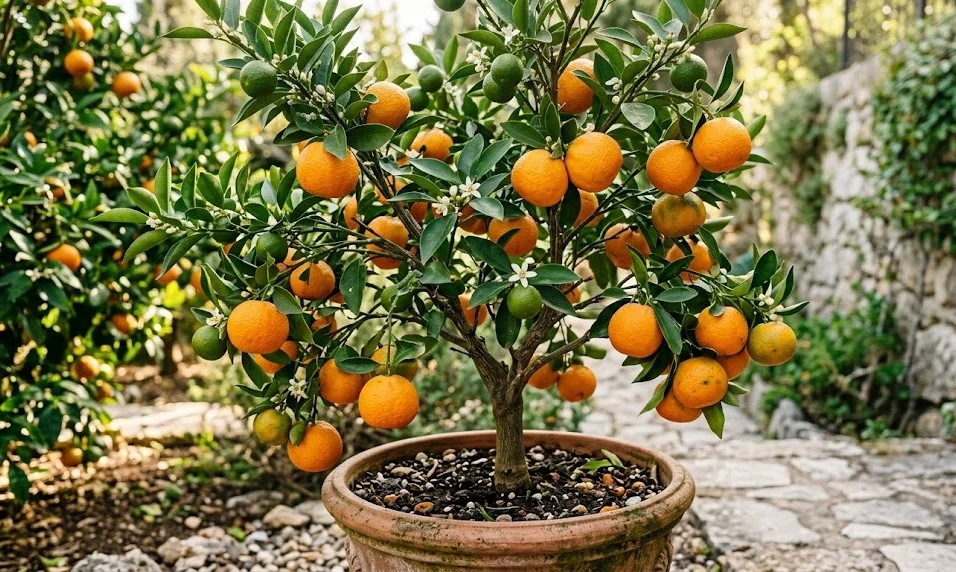

Growing mandarin trees requires a deep understanding of their specific environmental needs and physiological rhythms. These citrus plants are prized not only for their aromatic fruits but also for their ornamental value in professional orchards and home gardens alike. Success in cultivating these trees begins with creating a stable environment that mimics their native subtropical conditions. Expert growers know that attention to detail during the initial growth phases determines the long-term health and productivity of the specimen.
Establishing the right soil environment The physical structure of the soil is the foundation of any successful mandarin cultivation project. These trees require a well-draining medium that prevents water from stagnating around the sensitive root system. A mixture of loamy soil, sand, and organic matter usually provides the perfect balance of aeration and moisture retention. It is essential to ensure that the pH level remains slightly acidic to neutral for optimal nutrient uptake.
Environmental stability and temperature management Maintaining a consistent temperature range is vital for preventing physiological stress in citrus reticulata. These plants thrive in warm conditions but can be sensitive to extreme fluctuations between day and night. Providing a sheltered location away from harsh winds will protect the delicate blossoms and developing fruits from mechanical damage. Many professional growers use windbreaks or specific garden orientations to create a favorable microclimate for their trees.
Humidity and air circulation protocols Air quality and movement play a significant role in preventing the development of fungal pathogens. Mandarins appreciate a relatively humid atmosphere, especially during the hot summer months when evaporation rates are high. However, stagnant air must be avoided at all costs to ensure the foliage stays dry and healthy. Proper spacing between trees allows for natural ventilation which significantly reduces the risk of common citrus ailments.
Repotting and container maintenance For those growing mandarins in containers, regular monitoring of the root system is necessary to prevent the plant from becoming root-bound. Selecting a pot that is slightly larger than the previous one allows for steady growth without overwhelming the plant with excess wet soil. Using high-quality potting mixes designed specifically for citrus will provide the necessary structure for several years. The transition to a new container should always be done carefully to minimize transplant shock to the fine feeder roots.
Nutritional monitoring and leaf analysis Observing the color and texture of the leaves provides immediate feedback on the tree’s internal health. Dark green, glossy foliage indicates a well-balanced nutrient profile, while yellowing or spotting often signals a deficiency. Professionals often conduct soil tests to precisely calibrate the mineral content of the growing medium. Consistent monitoring allows for proactive adjustments before a minor deficiency turns into a serious health issue for the tree.
Managing the flowering and fruiting cycle The transition from vegetative growth to flowering is a critical period that requires careful observation. Mandarins often produce an abundance of flowers, but the tree may naturally shed some small fruits to conserve energy. This self-thinning process is normal, though growers can intervene to ensure the remaining fruits reach an impressive size. Maintaining a stable environment during this phase is essential for ensuring a high-quality harvest at the end of the season.
Long-term structural development A mandarin tree is a long-term investment that requires guidance during its early years to form a strong canopy. The main objective is to create a balanced structure that can support the weight of a heavy fruit load. Removing dead or crossing branches periodically helps maintain the health of the interior of the tree. This proactive approach to maintenance ensures that the tree remains productive and aesthetically pleasing for many decades.