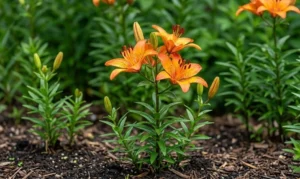
Understanding the light needs of cypress spurge is fundamental to ensuring the plant reaches its full aesthetic potential and maintains its health. Like most members of its genus, this perennial has a strong affinity for bright, open spaces where it can bask in the energy of the sun. The amount of light it receives directly influences everything from the color of its foliage to the strength of its stems and its overall growth habit. By placing it in the right light, you allow the plant to showcase its most beautiful and characteristic features.
In its natural environment, this species is often found in open meadows, along sun-drenched hillsides, and in other areas where there is little competition for light. This evolutionary background has made it a champion of the sunny garden, where it can handle the intense rays of a midsummer afternoon. If you have a spot in your yard that feels too bright for more delicate plants, the cypress spurge is often the perfect candidate. It thrives in conditions that would cause many other perennials to wilt or fade.
However, the plant is also remarkably versatile and can adapt to a range of light conditions if necessary. While it will always prefer the sun, it can survive and even look quite decent in areas that receive only partial light throughout the day. Understanding how the plant responds to these different levels of exposure is a key part of successful garden planning. It allows you to use the spurge in a variety of roles, from a bright accent plant to a reliable groundcover in more shaded spots.
As you observe your plants throughout the seasons, you will start to see the subtle ways that light affects their development. The angle of the sun changes, the shadows of nearby trees grow and shrink, and the intensity of the light fluctuates with the weather. Being aware of these patterns will help you make informed decisions about where to plant and how to manage your garden. With the right light, your cypress spurge will become a reliable and stunning anchor for your outdoor landscape.
Optimal sun exposure
For the most vibrant and healthy specimens, you should aim to provide at least six to eight hours of direct sunlight each day. This level of exposure is what allows the plant to produce its characteristic yellowish-green bracts in such great abundance. In full sun, the foliage stays dense and compact, creating a lush, feathery texture that is the hallmark of the species. You will notice that the stems are strong and upright, easily supporting the weight of the flowers and leaves.
More articles on this topic
Sunlight also plays a critical role in the plant’s internal chemistry and its ability to resist diseases. A sun-drenched plant dries out more quickly after rain, which significantly reduces the risk of the fungal issues discussed in previous articles. The intense light also encourages the production of the protective sap and other compounds that deter pests. In many ways, the sun acts as a natural medicine for the plant, keeping it vigorous and resilient against external threats.
If you are gardening in a particularly hot climate, you might worry that the sun could be too intense for the plant. While this is rarely a problem for established cypress spurge, providing a little bit of late-afternoon shade can sometimes be beneficial in extreme heat. This gives the plant a chance to cool down and reduces the amount of water it loses to evaporation. However, for most temperate gardens, the more sun you can provide, the better the plant will perform.
When planning your garden layout, consider the movement of the sun across your yard during the peak of the growing season. Place the spurge in spots that are not obstructed by large buildings or dense evergreen trees. South-facing slopes or open flower beds are usually the best locations for this sun-loving perennial. By prioritizing light in your site selection, you are setting the stage for a successful and low-maintenance gardening experience.
Effects of shade on foliage
While cypress spurge is adaptable, moving it into deeper shade will result in noticeable changes in its appearance and growth habit. The first thing you will likely see is a change in the color of the foliage, which may become a darker, more muted green. The vibrant lime or yellow tones that make the plant so striking in the sun are often lost when the light levels are too low. For some garden designs, this softer look might be desirable, but it is a departure from the plant’s natural state.
More articles on this topic
In shaded conditions, the stems of the plant also tend to become longer and more slender as they “reach” for the available light. This can lead to a more open, less compact growth habit that may require more frequent thinning or pruning to keep it looking tidy. In extreme cases, the stems may become so weak that they flop over, especially after a heavy rain or windstorm. This leggy appearance is the plant’s way of signaling that it is struggling to get the energy it needs.
Flowering is another area where shade has a significant impact, often resulting in fewer and less impressive blooms. The beautiful bracts may be smaller and stay green longer rather than turning the bright yellow-green that gardeners love. If your primary goal is to enjoy the spring floral display, you should definitely prioritize a sunny location. However, if you are using the plant primarily as a textural groundcover, its performance in partial shade may still be quite acceptable.
If you must plant in an area with limited light, try to choose a spot that at least receives bright, filtered light for part of the day. Avoid areas that are in deep, constant shade, such as directly under low-hanging tree canopies or on the north side of tall walls. In these conditions, the plant may survive for a while but will likely become sparse and prone to rot over time. Understanding these limitations helps you choose the right plant for every corner of your garden.
Monitoring light throughout seasons
The amount and quality of light in your garden are not static; they change significantly as the earth moves through its annual cycle. In the early spring, the lack of leaves on many deciduous trees allows more light to reach the ground than in the middle of summer. This early burst of sun is exactly what the cypress spurge needs to kickstart its growth and produce its flowers. You will notice the plant responding rapidly to these increasing light levels as the season progresses.
As the summer canopy fills in, some areas that were sunny in April may become significantly shaded by July. It is a good idea to walk through your garden at different times of the year and observe these shifting patterns. If you notice that a once-thriving patch of spurge is starting to look weak or leggy, it may be because a nearby tree has grown and is now blocking too much light. This long-term monitoring allows you to make adjustments before the plants suffer significant decline.
The intensity of the light also varies, with the midsummer sun being much more powerful than the light in late autumn. During the heat of July and August, the plant’s ability to handle high light levels is a major advantage. In contrast, the softer light of autumn often triggers the beautiful color changes in the foliage that we discussed earlier. These seasonal shifts are part of the dynamic beauty of the garden and should be embraced as part of the plant’s lifecycle.
Even in the winter, the presence of light can be important for the dormant plant, although in a much more subtle way. Sunny winter days can warm the soil slightly, which may be beneficial or challenging depending on the overall temperature. If you have the plant in a very exposed, sunny spot during a cold, snowless winter, the light combined with wind can sometimes dry out the dormant stems. A light layer of mulch or snow cover provides the necessary protection during these times.
Adjusting light in the garden
If you find that your cypress spurge is not performing as well as you’d like due to light issues, there are several ways you can intervene. For plants that are receiving too much shade, the most obvious solution is to thin out the overhanging branches of nearby trees or shrubs. This “limbing up” or thinning allows more dappled sunlight to reach the ground level. You will be surprised at how much a small amount of extra light can improve the vigor and color of your perennials.
In some cases, the best solution might be to move the plants to a different location that better meets their needs. Because the spurge is so easy to divide and transplant, this is a very practical option for any gardener. Early spring or late autumn are the best times to perform this move, as we discussed in the propagation section. Moving a struggling plant to a sunnier spot often results in a dramatic and satisfying transformation within a single growing season.
You can also use reflective surfaces or light-colored mulches to bounce a bit more light into darker corners of the garden. While this is a subtle effect, it can sometimes be enough to help a plant that is just on the edge of having enough light. Light-colored stones or a pale gravel mulch can brighten up an area and reflect a bit of the sun’s energy back up toward the foliage. This creative approach to garden design can help you maximize the potential of every square meter.
Finally, remember that gardening is a continuous process of observation and adjustment. Don’t be afraid to experiment with different locations and light levels to see what works best in your specific environment. Every garden has its own unique microclimates, and part of the joy of gardening is discovering them for yourself. By paying close attention to the light, you ensure that your cypress spurge remains a healthy and vibrant highlight of your landscape.