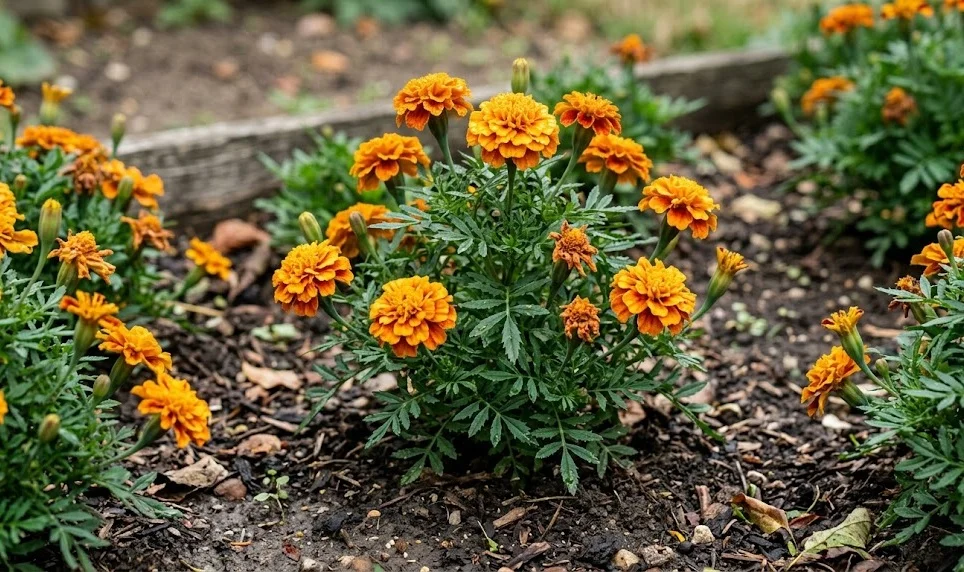

To achieve the best results with these classic garden favorites, one must prioritize the quality and duration of sunlight they receive. Light is the primary source of energy for all plants, and these specific flowers are particularly demanding in their need for bright, direct exposure. Without sufficient light, the plants will struggle to produce the vibrant colors and sturdy stems that define the species. Understanding how to manage light in various garden settings is a fundamental skill for any professional horticulturalist who wants a spectacular floral display.
The necessity of full sun
Full sun is defined as at least six to eight hours of direct, unobstructed sunlight every single day. For these heat-loving annuals, the more sun they receive, the more vigorously they will grow and the more flowers they will produce. Sunlight drives the process of photosynthesis, allowing the plant to create the sugars and proteins needed for cell division and bud formation. If the site is too shady, the plants will often become “leggy” as they stretch toward the nearest light source, leading to weak stems that easily break. A professional-grade garden layout always places these flowers in the brightest spots available.
The intensity of the light is just as important as the duration, especially during the middle of the summer when the sun is highest in the sky. Morning sun is often preferred because it is bright but cool, allowing the plants to start their metabolic processes without the immediate stress of heat. However, afternoon sun is where the real energy is concentrated, and these plants are perfectly adapted to handle its intensity. Providing a consistent light environment ensures that the growth remains uniform across the entire flower bed. A well-lit garden is a healthy garden, and it starts with proper site selection.
In regions with shorter growing seasons or cooler climates, maximizing light exposure is even more critical for success. Gardeners in these areas often use reflective surfaces or place plants against south-facing walls to capture as much solar energy as possible. This extra light helps to warm the soil and the surrounding air, extending the period during which the plants can actively grow. Even a small increase in daily light duration can have a significant impact on the total number of blooms produced over the season. Understanding these regional variations allows a gardener to adapt their strategy for the best possible results.
While they are famous for their sun-loving nature, extreme UV levels during a record-breaking heatwave can still cause some minor issues. You might notice that the colors of the flowers fade more quickly or that the foliage takes on a slightly lighter green hue to protect itself. This is a natural defense mechanism and is usually not a cause for alarm as long as the plants are well-watered. Providing a small amount of filtered shade during the absolute peak of a heatwave can help to preserve the intensity of the colors. A professional approach involves balancing the need for energy with the potential for environmental stress.
More articles on this topic
Managing partial shade conditions
While full sun is the gold standard, many gardens have areas that receive only partial light due to trees or neighboring structures. If you must plant in a spot that receives four to six hours of light, it is best to choose varieties that are known for their shade tolerance. In these conditions, the plants may grow a bit more slowly and produce fewer flowers, but they can still provide a beautiful display. It is important to avoid over-watering in shady areas, as the soil will not dry out as quickly as it does in full sun. Proper spacing becomes even more important in partial shade to maximize whatever light and air circulation are available.
Shadow patterns change throughout the day and the season, and a professional gardener monitors these shifts carefully. A spot that is in full sun in June might be in partial shade by late August as the sun’s path across the sky begins to drop. Observing these changes allows you to plan your garden layout more effectively and place your sun-hungry plants where they will benefit the most. You can also use light-colored mulches or garden ornaments to help bounce more light into the lower parts of the canopy. Every bit of extra light helps the plants maintain their energy levels and continue blooming.
Pruning nearby trees and shrubs can often open up a site and increase the amount of sunlight that reaches the garden floor. This “limbing up” process is a common professional technique to improve the growing conditions for understory plants without removing the trees entirely. It allows dappled sunlight to reach the flowers for a longer period of each day, significantly boosting their performance. If you are dealing with permanent shade from a building, consider using containers that can be moved to follow the sun throughout the day. Flexibility is often the key to success in challenging light environments.
In some cases, partial shade can actually be a benefit, especially for those who want their flowers to last as long as possible on the stem. The lower light levels can slow down the aging process of the petals, keeping the blooms looking fresh for several extra days. This is a trade-off, as you will have fewer total flowers, but each one might be of slightly higher visual quality. Expert gardeners often experiment with different light levels to find the perfect balance for their specific goals and climate. There is no single “right” way to garden, only the way that works best for your unique site.
More articles on this topic
Indoor and supplemental lighting
When growing these plants indoors or starting seeds early in the spring, natural window light is rarely sufficient for healthy growth. Windows often filter out specific wavelengths of light that plants need, and the duration of daylight in the winter is too short. Using high-quality LED or fluorescent grow lights provides a consistent and full-spectrum light source that mimics the sun. Place the lights as close to the plants as possible without burning them, usually about four to six inches above the foliage. This intensity prevents the seedlings from stretching and ensures they develop strong, thick stems from the very beginning.
A timer is an essential tool for managing indoor lighting, ensuring that the plants receive a consistent “day” of fourteen to sixteen hours. Consistency is more important than sheer duration, as it helps to regulate the plant’s internal biological clock. You should also periodically rotate your plants if they are receiving light from a single direction, such as a window, to ensure they grow evenly on all sides. This prevents the plants from leaning and helps to create a more attractive and professional-looking specimen. Managing indoor light is a science that requires a bit of equipment and a lot of attention to detail.
Reflective materials, such as white paint or specialized garden films, can be used to maximize the efficiency of your indoor lighting setup. By lining your growing area with these materials, you can bounce light back onto the lower and side parts of the plants that would otherwise be in shadow. This ensures that every leaf is working to produce energy, leading to faster growth and a more robust root system. It is a simple and cost-effective way to get the most out of your indoor garden and improve the quality of your transplants. Professional growers always look for ways to optimize their resources for the best results.
As the time for transplanting approaches, you can use supplemental light to “pre-condition” your plants for the intensity of the outdoors. Gradually increasing the light intensity or moving the plants to a sunnier window helps to toughen up the leaf tissues and prepare them for the sun’s UV rays. This is part of the overall hardening-off process that is so critical for success in the garden. A plant that has been grown under high-quality light will always transition more easily and start blooming sooner than one grown in the dark. Expertise in lighting translates directly into a more successful and vibrant garden.
Photoperiodism and bloom timing
The length of the day, or photoperiod, can influence the timing of flowering in many plant species, though these annuals are generally considered “day-neutral.” This means that they will bloom based on their age and the amount of heat they have received rather than the specific length of the day. This characteristic makes them very reliable and easy to grow throughout the entire summer season, regardless of your latitude. However, higher light levels still accelerate the process by providing more energy for the plant to reach maturity faster. A professional gardener uses this knowledge to time their plantings for a continuous display of color.
Light quality also plays a role in the structural development of the plant, with blue light encouraging compact growth and red light promoting flowering. Modern grow lights allow you to adjust these spectrums to target specific stages of the plant’s life cycle. During the early vegetative stage, a more blue-heavy spectrum keeps the plants short and sturdy, which is ideal for young transplants. As the plants move toward the flowering stage, shifting to a more red-heavy spectrum can help to trigger a more prolific bloom. This level of control is what allows professional nurseries to produce such high-quality plants for the market.
Excessive light during the night, often called light pollution, can sometimes disrupt the natural rhythms of plants, though its effect on these specific flowers is minimal. However, keeping your garden dark at night is still a good practice as it respects the natural cycle of the local ecosystem. Some nocturnal pollinators and beneficial insects rely on the darkness to navigate and find your plants. A professional approach to gardening always considers the wider environment and the needs of all the creatures that share the space. Keeping the lights off when they are not needed is a simple act of responsible land management.
In conclusion, light is the most important factor to consider when planning and maintaining your garden display. By prioritizing full sun and managing your light resources effectively, you can ensure that your plants reach their full potential for beauty and health. Whether you are growing in a sunny field or a small urban balcony, understanding the requirements of your plants allows you to make informed decisions. A professional garden is a testament to the gardener’s ability to harness the power of the sun and turn it into a spectacular display of color. Your efforts in managing light will be rewarded with a lush, vibrant, and highly professional-looking garden.