
Pruning is a technique often associated with perennial shrubs and trees, but it also plays a specialized role in the management of annual wildflowers like the common poppy. While these plants do not require complex structural pruning, strategic cutting can prolong the flowering season and improve the overall appearance of the garden. Understanding when and how to intervene with your shears is a mark of a professional approach to wildflower cultivation. This article details the best practices for pruning and cutting back poppies to maximize their aesthetic and biological potential.
The art of deadheading
Deadheading is the process of removing faded flowers before they have a chance to develop into seed pods. For the common poppy, this practice signals to the plant that it has not yet fulfilled its mission of producing seeds for the next generation. In response, the plant will often produce a second or even third flush of blooms from the side shoots. This simple intervention can extend the vibrant red display from a few weeks to several months in a well-managed garden.
To deadhead correctly, you should follow the flower stem down to where it meets the next set of leaves or a new bud. Using a sharp pair of scissors or garden snips, make a clean cut to remove the spent bloom and its immediate stalk. Avoiding the temptation to simply pull the flowers off by hand prevents accidental damage to the main stem of the plant. A clean cut also heals more quickly, reducing the risk of opportunistic fungal infections entering the wound.
Consistency is key to a successful deadheading routine, as once the seed pod begins to swell, the plant’s energy is diverted away from flowering. Checking your poppy patch every few days during the peak of summer allows you to stay ahead of the seed-setting process. This regular maintenance also keeps the garden looking tidy and prevents the somewhat messy appearance of withered petals. For many gardeners, this quiet time spent tending to the flowers is one of the most enjoyable parts of the hobby.
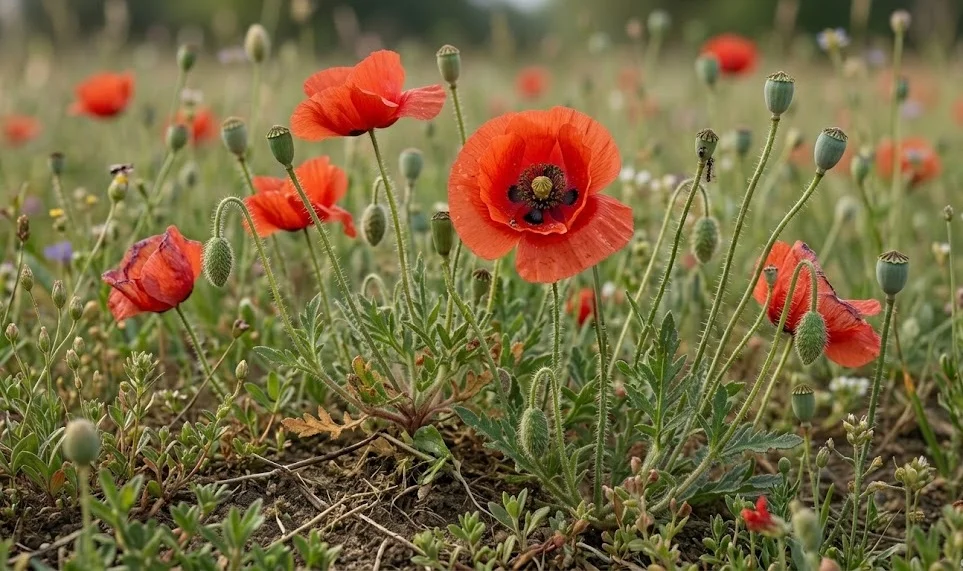
However, it is important to remember that if you want your poppies to self-seed, you must eventually stop deadheading. Toward the end of the summer, allow a selection of the most beautiful flowers to mature into their distinctive, pepper-pot seed heads. These pods are highly decorative in their own right and provide a final architectural interest to the garden. Balancing the desire for more flowers with the need for future generations is a key decision for any poppy grower.
More articles on this topic
Late season cutting and clearing
As the annual life cycle of the poppy draws to a natural close, the foliage will begin to turn brown and the stems will become brittle. At this stage, the plant is no longer actively growing and has transferred all its remaining energy into the ripening seeds. Once the seeds have been dispersed, either naturally or with your assistance, the remaining stalks can be cut back to ground level. This clearing process helps maintain a neat garden appearance and prepares the site for the winter months.
If the poppies were affected by any pests or diseases during the growing season, it is vital to remove the debris from the garden entirely. Do not add diseased poppy stalks to your compost pile, as the heat may not be sufficient to kill off the pathogens or fungal spores. Instead, dispose of the material in your green waste bin or burn it if local regulations allow. Starting the next season with a clean slate is one of the best ways to ensure the continued health of your wildflower display.
In a more naturalistic meadow setting, you may choose to leave the dried stalks standing throughout the autumn and winter. These skeletal remains provide valuable habitat for beneficial insects and can look stunning when covered in morning frost or a light dusting of snow. The seeds that remain in the pods also provide a vital food source for small birds during the colder months. This “wilder” approach to late-season management supports the local ecosystem while requiring less manual labor from the gardener.
If you decide to leave the stalks, you can perform a final “mow” or cut-back in the late winter or very early spring. This clears the way for the new seedlings that will soon be emerging from the soil as the weather warms. Using a brush cutter or a high-set lawnmower is an efficient way to clear large areas of dried wildflower debris. This seasonal cycle of growth and clearing mimics the natural disturbances that poppies have adapted to over thousands of years.
More articles on this topic
Tools and techniques for precision
Using the right tools is essential for making clean, professional cuts that do not bruise the delicate tissues of the poppy. Small, bypass-style pruners or specialized floral snips are ideal for the fine work required during the deadheading process. These tools allow you to get into the center of a dense cluster of stems without damaging the surrounding growth. Keeping your blades sharp and clean is a fundamental practice that ensures the health of every plant you touch.
For larger-scale cutting back at the end of the season, a traditional garden scythe or a pair of long-handled shears can be more efficient. These tools allow you to clear large patches of dried stalks quickly while maintaining a comfortable upright posture. Regardless of the tool used, the goal is to make clean cuts that do not tear the remaining plant material. A well-maintained tool kit is the hallmark of an expert gardener who takes pride in their work.
When cutting back, it is also a good time to inspect the soil surface for any emerging weeds that might be hiding under the poppy canopy. Removing these competitors while the area is clear gives the next generation of poppies a much better start in the spring. You can also take this opportunity to lightly rake the soil surface to ensure that the scattered seeds have good contact with the earth. This integrated approach to pruning and soil management yields the best long-term results.
Finally, always remember to wear gloves and long sleeves when working extensively with poppies, as some people may find the sap to be a mild skin irritant. The white, milky latex found inside the stems is a natural defense mechanism for the plant but can be sticky and difficult to wash off. Being prepared with the right clothing and equipment allows you to focus on the task at hand and enjoy the process of tending to your garden. Professional gardening is as much about safety and preparation as it is about the plants themselves.