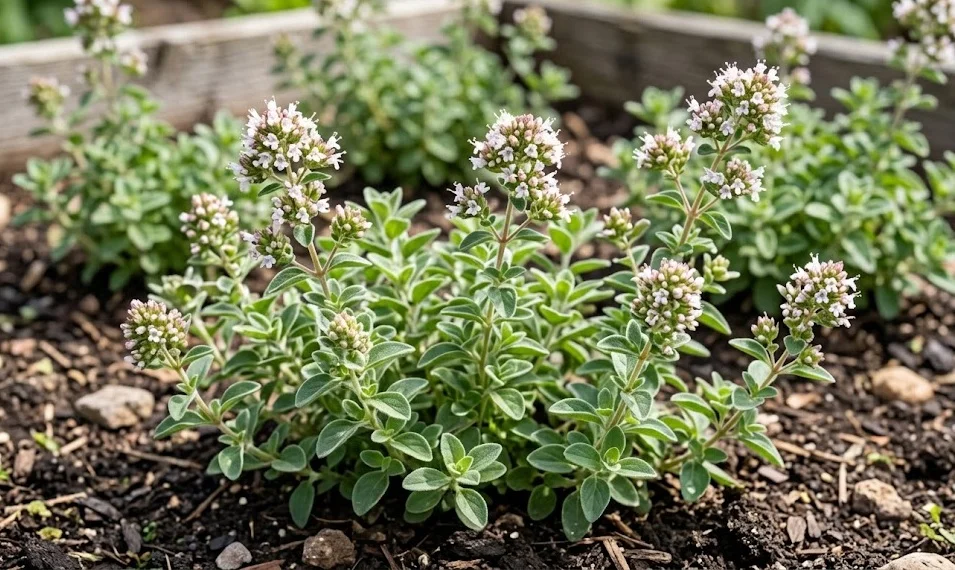

Marjoram is a highly valued culinary herb that requires specific attention to thrive in agricultural settings. Cultivating this aromatic plant demands a thorough understanding of its Mediterranean origins and natural habitat. Growers must replicate these warm and well-drained conditions to achieve optimal essential oil production. Consistent care routines will ultimately determine the quality and yield of the final harvest.
Establishing a robust care regimen begins with evaluating the microclimate of your designated growing area. The plant responds exceptionally well to stable environments devoid of extreme weather fluctuations. Careful monitoring of daily temperature changes helps in adjusting shading or ventilation as needed. Professional growers always maintain detailed logs of these environmental variables throughout the season.
Soil structure plays a paramount role in the overall health of the marjoram crop. The root system is notoriously sensitive to waterlogged conditions and compacted earth. Implementing raised beds can significantly improve drainage and prevent devastating root rot diseases. Routine aeration of the topsoil also facilitates better nutrient absorption and root respiration.
Companion planting offers an ecological approach to enhancing the vitality of your herb garden. Placing marjoram near compatible species can naturally deter pests and improve overall biodiversity. However, one must avoid planting it alongside heavy feeders that might deplete necessary soil nutrients. Strategic placement ensures that the herb receives adequate airflow and minimal root competition.
Essential environmental conditions
Temperature regulation is perhaps the most critical factor in successful marjoram cultivation. The optimal growth range typically falls between twenty and twenty-five degrees Celsius during the day. Nighttime temperatures should ideally not drop below ten degrees to prevent physiological stress. Sudden frosts can completely decimate an unprotected crop within a single night.
More articles on this topic
Air circulation is another vital component that is frequently overlooked by novice growers. Stagnant air creates a perfect breeding ground for fungal pathogens on the dense foliage. Proper spacing between individual plants allows gentle breezes to keep the leaves dry. In greenhouse environments, mechanical ventilation systems are strictly necessary for commercial success.
Humidity levels must be kept relatively low to mimic the plant’s native Mediterranean environment. Excessive moisture in the air directly inhibits the concentration of aromatic volatile oils. Growers should aim for an ambient humidity of around forty to fifty percent. Utilizing hygrometers helps maintain this delicate balance in controlled agricultural settings.
Wind protection is essential for young seedlings during their initial establishment phase. Strong gusts can easily snap fragile stems or cause severe desiccation of the delicate leaves. Utilizing natural windbreaks or artificial screening provides adequate shelter for vulnerable crops. Once mature, the plants develop woody bases that offer greater mechanical resistance.
Routine maintenance tasks
Weed management must be executed meticulously to prevent competition for vital resources. Manual weeding remains the most effective and safest method for organic herb production. Chemical herbicides are strictly prohibited if the final product is intended for culinary use. Regular shallow cultivation disrupts weed seedlings before they can establish deep taproots.
More articles on this topic
Inspecting the crop for early signs of stress should become a daily habit. Discoloration in the lower leaves often indicates a subtle nutrient imbalance or moisture issue. Prompt identification allows for immediate corrective actions before the entire crop suffers. Keeping a photographic record can assist in diagnosing recurring physiological problems.
Managing plant architecture through selective pinching encourages a bushier growth habit. Removing the apical meristem forces the plant to develop lateral branches quite rapidly. This technique significantly increases the total surface area available for leaf production. A well-branched plant also exhibits better structural stability against environmental elements.
Cleaning the immediate growing area reduces the risk of pest infestations and diseases. Fallen organic debris must be removed from the base of the plants regularly. This sanitation practice eliminates potential overwintering sites for harmful insect populations. A pristine field reflects a high standard of professional agricultural management.
Harvesting techniques
Timing the harvest perfectly dictates the aromatic potency of the collected foliage. The highest concentration of essential oils occurs just before the flower buds begin to open. Harvesting during the early morning hours ensures the volatile compounds remain intact within the leaves. Waiting until the midday heat can result in a significantly less flavorful crop.
Utilizing sharp and sterilized cutting tools prevents unnecessary tissue damage to the remaining plant. Clean cuts heal much faster and reduce the likelihood of secondary bacterial infections. Dull shears often crush the stems, leading to severe dieback in the affected branches. Disinfecting equipment between rows is a mandatory protocol in commercial operations.
The structural integrity of the plant must be preserved during the harvesting process. One should never remove more than one-third of the total vegetative growth at a single time. Leaving sufficient foliage ensures the plant can continue photosynthesizing and recover quickly. Multiple smaller harvests are generally preferred over a single aggressive cutting.
Handling the freshly cut stems requires utmost care to avoid bruising the delicate leaves. Harvested bundles should be placed loosely in well-ventilated baskets to prevent rapid heating. Compressing the fresh material triggers immediate fermentation and degrades the product quality. Rapid transport to the processing facility is crucial for maintaining optimal freshness.
Drying and preservation
Proper drying techniques are essential for transforming fresh marjoram into a stable culinary spice. The objective is to remove moisture quickly while retaining the green color and aromatic oils. Exposing the harvested herb to direct sunlight during drying will inevitably bleach the leaves. A dark, well-ventilated room provides the ideal environment for this delicate process.
Hanging small bundles upside down is a traditional and highly effective drying method. This orientation allows the essential oils to concentrate within the leaves as the moisture evaporates. The bundles must be tied loosely to ensure adequate airflow reaches the innermost stems. Regularly checking the bundles prevents the hidden development of destructive mold.
Commercial operations often utilize specialized drying cabinets with precise temperature controls. These systems maintain a constant temperature of around thirty-five degrees Celsius. Forced air circulation speeds up the dehydration process without degrading the volatile compounds. This technological approach guarantees a consistent and high-quality final product.
Determining the correct endpoint of the drying process requires sensory experience. The leaves should feel completely crisp and crumble easily between the fingers. Any residual moisture will lead to spoilage during the long-term storage phase. Once properly dried, the leaves are carefully stripped from the woody stems.
Storage and packaging
Storing the dried herb correctly guarantees its culinary value for up to a year. Airtight containers are absolutely necessary to prevent the loss of delicate volatile oils. Glass jars stored in a cool, dark pantry offer an excellent environment for preservation. Plastic bags are generally discouraged as they can impart unwanted chemical odors.
Environmental fluctuations in the storage area must be minimized at all costs. High temperatures accelerate the degradation of the active aromatic compounds within the plant material. Exposure to high humidity can reintroduce moisture and trigger devastating fungal growth. A climate-controlled storage facility is essential for large-scale agricultural enterprises.
Labeling each container with the specific harvest date ensures proper inventory rotation. Older stock should always be utilized or sold before moving on to newer batches. This principle of first-in, first-out maintains the overall quality of the product line. Detailed records also help track the performance of different harvesting periods.
Processing the dried leaves into a finer powder should only occur right before packaging. Intact leaves retain their flavor profile significantly longer than ground materials. Bulk storage should always prioritize keeping the plant structures as whole as possible. Final milling is merely a preparatory step for immediate consumer distribution.
Seasonal crop rotation
Implementing a strict crop rotation schedule is vital for sustainable agricultural practices. Planting marjoram in the exact same location year after year rapidly depletes specific soil nutrients. This monoculture approach also encourages the buildup of soil-borne pathogens and specialized pests. A three-year rotation cycle is generally recommended by agronomic experts.
Selecting appropriate succeeding crops helps restore the nutritional balance of the field. Legumes are excellent follow-up plants as they actively fix atmospheric nitrogen into the soil. Root vegetables can also benefit from the friable soil structure left behind by the herb. Careful planning ensures long-term productivity and ecological stability of the farm.
Cover cropping during the off-season protects the bare soil from devastating wind and water erosion. Planting rye or clover adds valuable organic matter when subsequently tilled into the earth. These green manures significantly improve the water-holding capacity and microbial life of the substrate. This practice is a cornerstone of regenerative agricultural methodology.
Analyzing soil samples at the end of the rotation cycle provides crucial agronomic data. Laboratory results guide the specific soil amendments needed before returning marjoram to the field. Understanding the chemical changes in the soil profile allows for highly targeted fertilization strategies. Continuous monitoring ensures the land remains fertile for future generations of crops.