
Understanding the light requirements of garden verbena is a fundamental aspect of professional cultivation that directly influences the plant’s health, structure, and flowering potential. These plants are sun-loving species that have evolved to thrive in environments with high solar radiation and long daylight hours. A lack of sufficient light is often the primary reason for poor performance, resulting in leggy stems, sparse foliage, and a significant reduction in flower production. By placing your plants in the optimal light environment, you ensure that they can maximize their photosynthetic efficiency and produce the vibrant display they are known for.
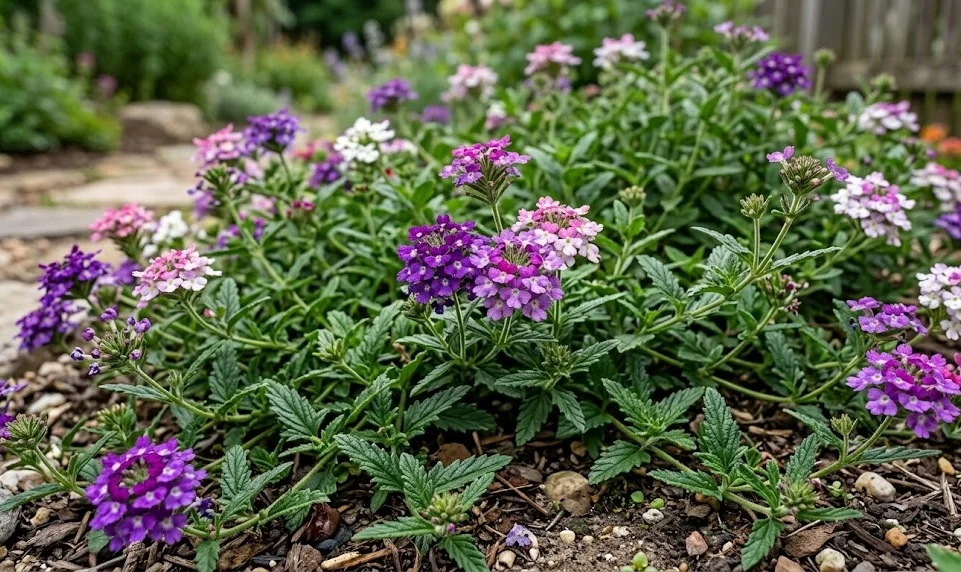
In the professional gardening world, “full sun” is defined as at least six to eight hours of direct, unfiltered sunlight per day during the peak of the growing season. For garden verbena, more is almost always better, and they will perform at their absolute best when exposed to the sun from early morning until late afternoon. The intensity of the light is just as important as the duration, as it provides the energy needed to drive the complex biochemical processes of flower development. Observations of the plant’s growth habit will quickly tell you if it is receiving enough light; a compact, mounded shape is a clear sign of adequate solar exposure.
When light levels are insufficient, the plant undergoes a process known as etiolation, where the stems stretch toward the nearest light source and become weak and brittle. This not only ruins the aesthetic appeal of the plant but also makes it much more susceptible to mechanical damage from wind and rain. You will also notice that the distance between the leaf nodes increases and the leaves themselves may become paler and thinner than usual. A professional gardener recognizes these symptoms early and takes steps to either move the plant or prune surrounding vegetation to improve light penetration.
The interaction between light and temperature also plays a role in how the plant manages its energy reserves throughout the day. While verbena loves the sun, extreme midday heat in very southern climates may sometimes require a small amount of filtered shade during the hottest hours to prevent wilting. However, this is the exception rather than the rule, and in most temperate regions, the plants will thrive in the most exposed locations you can provide. Mastering this balance of light and heat is one of the finer points of professional horticultural management that leads to superior results.
Maximizing solar exposure and site selection
Selecting the perfect site for garden verbena involves a careful analysis of the shadows cast by buildings, trees, and other garden structures throughout the entire day. You should observe the movement of the sun across your landscape during different seasons to ensure that your chosen spot doesn’t fall into deep shade as the year progresses. South-facing slopes or open areas away from the canopy of large trees are typically the most professional choices for these sun-hungry plants. A site that receives the first rays of the morning sun is particularly beneficial, as it helps to quickly dry any dew from the leaves and reduce the risk of disease.
More articles on this topic
In urban or small-scale gardens, the reflection of light from light-colored walls or fences can be used to boost the total amount of solar energy the plants receive. This “bonus light” can be a powerful tool for improving the performance of verbena in areas that might otherwise be slightly marginal in terms of direct sun. You should also consider the height of neighboring plants to ensure that the verbena is not eventually overshadowed as the garden matures during the summer. A professional planting plan takes into account the vertical growth of all species involved to maintain a high-light environment for those that need it most.
Container-grown verbena offers the unique advantage of being mobile, allowing you to move the pots to follow the sun as the seasons change. If you notice that a specific area of your patio is becoming too shaded in the late summer, you can simply relocate your baskets and pots to a sunnier location. This flexibility is a key professional technique for maintaining peak blooming performance right up until the first frost. Always ensure that the new location also provides the necessary air circulation and easy access to water to keep the plants healthy after their move.
For those managing larger landscape projects, the use of light-colored mulches or hardscape materials can help to bounce more light back into the lower parts of the plant canopy. This improves the health of the internal foliage and can lead to a more even distribution of flowers across the entire surface of the plant. You should avoid placing verbena in “light traps” where they are surrounded by dark, heat-absorbing surfaces without any reflective quality. A professional perspective on light management considers both direct radiation and the subtle effects of reflected light within the garden microclimate.
Light intensity and the blooming cycle
The production of flowers is an energy-intensive process that is directly linked to the amount of light the plant’s leaves can capture and convert into sugars. Garden verbena has a high light saturation point, meaning it can continue to increase its photosynthetic rate even under very intense solar conditions. This is why these plants are so successful in “hot” landscape spots where other species might fail or stop blooming. A professional feeding program should always be paired with high light levels to ensure the plant has both the raw materials and the energy to sustain a heavy floral display.
More articles on this topic
Photoperiodism, or the plant’s response to the length of the day, also influences when and how intensely the verbena will bloom. While many modern hybrids have been bred to be day-neutral, they still generally perform better as the days become longer and the light levels increase in early summer. You may notice a “flush” of flowers as the summer solstice approaches, followed by a more steady production of blooms throughout the rest of the season. Understanding these natural cycles allows you to time your maintenance tasks, such as pruning and fertilizing, to coincide with the plant’s peak energy periods.
The quality of light, or its spectral composition, can also affect the growth habit and color intensity of the flowers and foliage. Direct sunlight contains the full spectrum of UV radiation, which stimulates the production of protective pigments that often result in deeper, more vibrant flower colors. Plants grown under shade or through glass may have paler blooms and a less robust internal structure due to the lack of these specific light wavelengths. A professional gardener knows that there is no substitute for real, direct sunlight when it comes to producing the highest quality ornamental display.
If you are starting your plants indoors under artificial lights, it is essential to use “full-spectrum” bulbs that mimic the quality of natural sunlight as closely as possible. You should also keep the lights very close to the plants to maintain a high intensity, as the power of artificial light drops off rapidly with distance. Transitioning these plants to the much more intense outdoor light must be done gradually to avoid “sunburn” on the sensitive indoor-grown leaves. This professional attention to light quality and transition is what ensures a successful and productive growing season from start to finish.
Managing shade and environmental limitations
While garden verbena is a sun-lover, there are times when some degree of shade management is necessary to maintain the health of the plant. In extremely hot, arid climates, the sheer intensity of the afternoon sun combined with low humidity can cause the plants to lose water faster than their roots can replace it. In these specific cases, a light, dappled shade for a few hours in the mid-afternoon can actually help the plant stay hydrated and extend the life of the individual flowers. However, this shade should never be so dense that it compromises the overall growth rate or the density of the foliage.
If you must grow verbena in a location with less than ideal light, selecting specific cultivars that have been bred for slightly better shade tolerance can improve your chances of success. However, even the most shade-tolerant verbena will still require at least half a day of good sun to produce any significant amount of flowers. You should manage your expectations in these situations and perhaps use the verbena as a textured groundcover rather than a primary floral feature. A professional gardener is honest about the limitations of a site and chooses the right plant for the available light conditions.
Pruning neighboring trees and shrubs is a common professional technique for increasing the light levels in a maturing garden that has become too shady over time. “Limbing up” a tree by removing the lower branches can often provide several more hours of critical sunlight to the plants growing beneath or near it. You can also thin out the canopy of large shrubs to allow more dappled light to reach the ground-level plantings. These structural changes to the garden can have a dramatic impact on the health and productivity of sun-loving species like garden verbena.
Finally, it is important to remember that light requirements can change slightly as the plant ages or as it faces different types of environmental stress. A young, newly planted verbena may need a bit of temporary shade during its first few days in the ground to help it establish its roots without being overwhelmed by the sun. Once established, however, its demand for light will only increase as it grows larger and begins its intense blooming cycle. A professional approach to light management is dynamic and responsive, ensuring the plant always has exactly what it needs to flourish in the landscape.