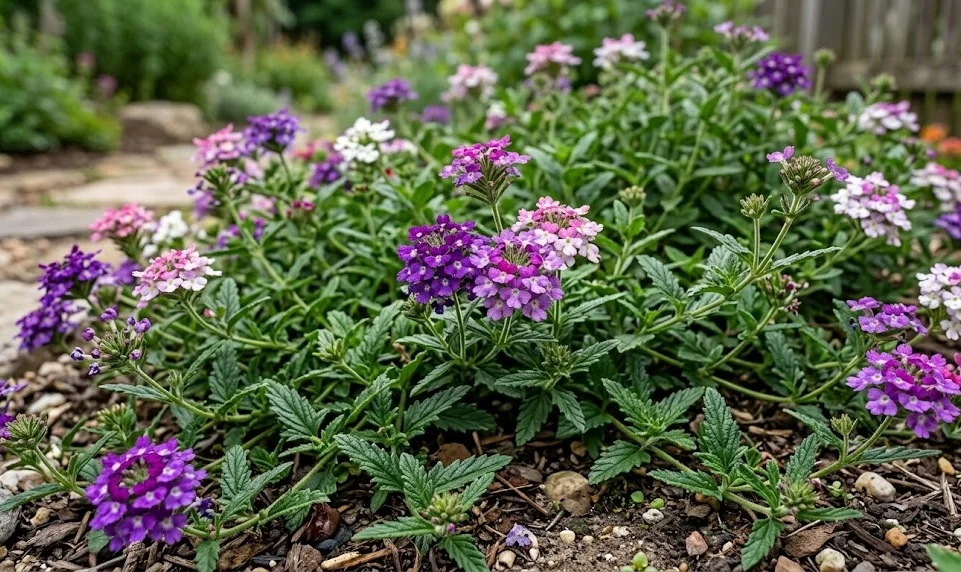

Maintaining garden verbena requires a balanced approach to environmental management and consistent horticultural practices to ensure long-lasting blooms. These versatile plants are highly valued in modern landscaping for their ability to provide vibrant color throughout the summer months when many other species struggle. To achieve professional-grade results, a gardener must understand the physiological needs of the plant and respond to seasonal changes with precision. By following a structured care routine, you can maximize the aesthetic potential of these prolific flowering ornamentals in any garden setting.
The health of the plant starts with the substrate and the immediate surroundings in which it is placed. Selecting a location with excellent air circulation is vital to prevent the buildup of stagnant humidity around the foliage. You should regularly monitor the soil moisture levels to ensure the roots remain in a well-drained yet sufficiently hydrated environment. Observations of the leaf color and stem rigidity will provide immediate feedback on whether the current maintenance schedule is meeting the biological demands of the species.
Deadheading remains one of the most critical tasks for any professional gardener managing these flowering hybrids. Removing spent blooms prevents the plant from diverting its energy into seed production, which naturally encourages the development of new flower spikes. You should perform this task with sharp, sanitized bypass pruners to ensure clean cuts that heal quickly without inviting pathogens. Consistent attention to this detail will result in a much denser carpet of color and a more compact growth habit overall.
Seasonal adjustments are necessary as the intensity of the sun and the ambient temperature fluctuate during the growing season. During peak summer heat, the metabolic rate of the plant increases significantly, requiring more frequent observation and potentially adjusted maintenance routines. Conversely, as the cooler nights of late summer approach, the plant may require less frequent interventions but more focus on disease prevention. Staying proactive rather than reactive is the hallmark of a skilled horticulturalist when dealing with these resilient yet demanding plants.
Soil quality and substrate management
Professional cultivation begins with a deep understanding of the physical and chemical properties of the soil used for planting. These plants thrive in a growing medium that offers a high degree of porosity to allow for adequate oxygen exchange at the root zone. You should aim for a slightly acidic to neutral pH level, which facilitates the optimal uptake of essential micronutrients from the earth. Incorporating organic matter such as well-aged compost can significantly improve the structure of sandy or clay-heavy soils for better results.
More articles on this topic
Compaction is a significant threat to the long-term vitality of the root system and must be avoided at all costs. When the soil becomes too dense, water cannot move freely, and roots may suffer from anaerobic conditions that lead to decline. You can prevent this by adding perlite or coarse sand to the planting mix to maintain a stable structure over several months. Regularly checking the drainage capacity of the site will ensure that the roots are never sitting in waterlogged conditions during heavy rainfall.
Nutrient availability is closely tied to the organic content and the microbial activity present within the soil profile. A living soil rich in beneficial fungi and bacteria will support a more robust immune system for the garden verbena. You should consider top-dressing the area with a thin layer of organic mulch to protect the soil surface from erosion and temperature extremes. This practice also helps in maintaining a consistent moisture level, which reduces the physiological stress placed on the plant during dry spells.
Substrate temperature also plays a subtle but important role in the overall growth rate and blooming potential of the species. In early spring, darker mulches can help absorb solar radiation to warm the root zone more quickly and stimulate early growth. During the height of summer, lighter-colored organic materials can reflect excess heat to keep the roots cooler and more functional. Mastering these small environmental tweaks will lead to a more professional and visually stunning garden display throughout the entire year.
Air circulation and spacing strategies
Providing adequate space between individual plants is essential for maintaining a healthy microclimate within the garden bed. When plants are crowded, the lack of airflow creates a humid environment that is highly conducive to the development of fungal spores. You should follow recommended spacing guidelines based on the specific cultivar’s mature spread to ensure each plant has room to breathe. This proactive approach significantly reduces the need for chemical interventions later in the growing season by naturally suppressing disease.
More articles on this topic
Vertical air movement is just as important as horizontal spacing when managing dense mounds of foliage and flowers. If the center of the plant becomes too thick with old stems, it can trap moisture and debris, leading to localized rot or pest infestations. You can selectively thin out some of the inner growth to encourage better light penetration and air movement through the canopy. This technique not only improves health but often stimulates a more even distribution of blooms across the entire plant.
Wind exposure should be moderated to protect the relatively delicate stems from mechanical damage during summer storms. While good airflow is necessary, placing the plants in an area with extreme wind tunnels can lead to excessive transpiration and physical breakage. You might use surrounding taller perennials or low garden walls as natural buffers to create a more sheltered yet airy environment. This balance ensures the plants remain structurally sound while still benefiting from the drying effects of a gentle breeze.
Microclimates within the garden can be utilized to extend the blooming period or enhance the color intensity of the petals. Areas with slight elevations often have better air drainage, which can protect the foliage from early morning dew that lingers in low-lying spots. You should observe how air moves through your specific landscape and place your garden verbena in locations that naturally minimize moisture retention on the leaves. These subtle environmental choices are what separate an amateur garden from a professionally managed horticultural masterpiece.
Nutrient cycling and organic enrichment
The long-term success of garden verbena depends on a steady supply of nutrients that are released in sync with the plant’s growth phases. Organic enrichment through the use of slow-release materials ensures that the soil stays fertile without the risk of salt buildup. You should focus on building a soil reservoir of minerals that the plant can draw upon as it expands its root network. Using kelp meal or bone meal during the preparation phase can provide a solid foundation for the intense blooming period ahead.
Microbial life in the soil acts as a bridge between raw organic matter and the soluble nutrients that the roots can actually absorb. By avoiding harsh chemical pesticides that harm soil life, you allow these natural processes to flourish and support your plants. You can introduce beneficial mycorrhizal fungi at the time of planting to enhance the root’s ability to forage for water and minerals. This symbiotic relationship results in a more resilient plant that can withstand environmental fluctuations with greater ease and vigor.
Trace elements like iron, magnesium, and manganese are often overlooked but are essential for maintaining the deep green color of the foliage. If the soil lacks these micronutrients, the leaves may show signs of chlorosis, which significantly detracts from the plant’s ornamental value. You should conduct a soil test every few years to identify any specific deficiencies that need to be addressed through targeted amendments. Maintaining a diverse nutrient profile ensures that the biochemical pathways responsible for flower production remain fully functional.
Sustainable gardening practices emphasize the importance of returning organic matter back to the earth to close the nutrient loop. Instead of removing all fallen leaves or spent organic debris, you can allow some to decompose naturally or process them through a compost pile. This recycled material becomes the “black gold” that will fuel the next generation of plants in your garden beds. A professional approach to nutrient management considers the health of the entire ecosystem rather than just the immediate needs of a single plant.
Integrated pest and disease management
A professional care routine must include a strategy for identifying and managing potential threats before they become catastrophic. Regular scouting of the plants is the most effective way to catch early signs of pest activity or pathogen colonization. You should inspect the undersides of leaves and the tender new growth where insects like aphids or spider mites often congregate. Early intervention might be as simple as a strong spray of water or the manual removal of affected stems.
Beneficial insects play a vital role in a healthy garden by acting as natural predators for many common pests. By creating a habitat that supports ladybugs, lacewings, and predatory mites, you can reduce the reliance on external control measures. You should avoid broad-spectrum insecticides that kill these “garden allies” and instead opt for targeted, low-impact solutions when necessary. A balanced ecosystem is much easier to manage than one where the natural predator-prey relationship has been disrupted.
Fungal issues are often the result of environmental stress or improper cultural practices rather than just the presence of spores. If you notice white powdery patches or dark spots on the leaves, it is a clear signal that the plant’s defenses are compromised. You should immediately adjust the watering schedule to avoid wetting the foliage and improve the surrounding air circulation to dry the leaves. Removing and destroying heavily infected plant material prevents the spread of the disease to neighboring healthy specimens in the bed.
Record-keeping is an advanced technique used by professional gardeners to track the timing and severity of pest outbreaks over the years. By noting when specific issues occur, you can anticipate future problems and take preventative action at the perfect moment. This might involve applying organic repellents just before a known pest traditionally emerges in your local climate zone. This level of detail and foresight ensures that your garden verbena remains in peak condition throughout the entire growing season.
Aesthetic grooming and structural integrity
The visual appeal of garden verbena is greatly enhanced by regular grooming that maintains a tidy and intentional appearance. Beyond just removing dead flowers, you should also prune away any yellowing or damaged leaves that can harbor pathogens. This process opens up the canopy to more sunlight, which in turn promotes healthier internal growth and more robust stems. A well-groomed plant not only looks better but is biologically more efficient at capturing solar energy for its growth.
Structural integrity becomes a concern as the stems elongate and the weight of the flower clusters increases over time. Some trailing varieties can become leggy or sparse in the center if they are not encouraged to branch out through regular pinching. You can gently tip-prune the younger stems to stimulate the dormant buds lower down the branch, resulting in a fuller mound. This technique prevents the plant from looking “stretched” and helps it maintain a dense, professional-looking form in containers or borders.
Color coordination and textural contrast are key elements of a professionally designed garden space featuring these plants. You should consider how the vibrant hues of the verbena interact with the surrounding foliage and the hardscape elements of your garden. Using darker-leaved plants as a backdrop can make the bright flower clusters pop, while silver-toned companions can create a more sophisticated look. These aesthetic choices demonstrate a high level of horticultural artistry and a deep understanding of visual composition in the landscape.
Maintaining the edges of the planting area is another small detail that has a large impact on the overall professional feel of the garden. As the verbena spreads, it may begin to encroach on pathways or neighboring plants, requiring occasional thinning or redirection. You should define the boundaries of the plant’s growth to ensure it complements the design rather than overwhelming it with unmanaged sprawl. A clean edge provides a sense of order and intentionality that elevates the entire garden space to a higher standard.
Seasonal transition and end of season care
As the growing season draws to a close, the focus of care shifts from promoting growth to preparing the plant for the changing conditions. In early autumn, you should gradually reduce the amount of nitrogen-rich fertilizer to discourage tender new growth that might be damaged by frost. This allows the plant to naturally harden its tissues and slow down its metabolic processes in response to shorter days. Monitoring the local weather forecast becomes crucial during this time to protect the plants from unexpected cold snaps.
Cleaning up the garden bed in late autumn is a vital step in preventing the overwintering of pests and diseases. You should remove all fallen debris and any dead plant material that could serve as a sanctuary for fungal spores or insect eggs. If the plants are being treated as annuals, removing the entire root system ensures that the soil is clear and ready for the following spring. For those attempting to overwinter the plants, a heavy layer of protective mulch may be applied after the first light frost has occurred.
Late-season observations can provide valuable insights for planning the next year’s garden layout and care routine. You should take note of which varieties performed the best under your specific conditions and which areas of the garden provided the best results. These reflections allow you to refine your techniques and make better-informed decisions for the upcoming growing cycle. A professional gardener is always learning and adapting their methods based on the real-world performance of their plants.
The final task of the year involves cleaning and storing the tools used for the care of your garden verbena. Sharpening pruners and disinfecting trowels prevents the transfer of diseases between seasons and ensures your equipment is ready for action in the spring. You should also check your supply of soil amendments and fertilizers to see what needs to be replenished during the winter months. This organized approach ensures a smooth transition and sets the stage for another successful year of professional gardening.