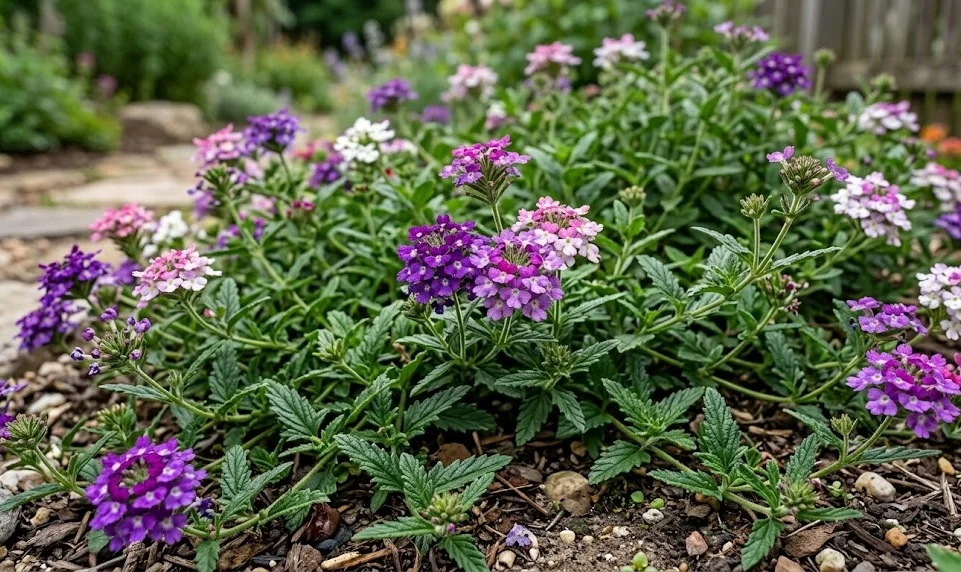

Proactive management of pests and diseases is essential for maintaining the aesthetic and physiological health of garden verbena in a professional landscape. These plants are generally robust, but they are susceptible to several specific pathogens and insects that can quickly diminish their ornamental value if left unchecked. A successful gardener must be able to identify the early warning signs of trouble and understand the underlying environmental factors that contribute to these issues. By combining cultural controls with targeted treatments, you can protect your investment and ensure a healthy growing environment for the entire season.
Fungal infections are among the most common challenges faced when cultivating this species, particularly in regions with high humidity or frequent summer rainfall. Powdery mildew and various leaf spot diseases can rapidly colonize the foliage, reducing the plant’s ability to photosynthesize and leading to premature leaf drop. You should monitor the plants daily for any unusual white patches, dark spots, or fuzzy growth that might indicate the start of a fungal outbreak. Professional management focuses on prevention through proper spacing and irrigation techniques that minimize moisture on the leaf surfaces.
Insect pests can also take a toll on the vitality of garden verbena, with sap-sucking insects being the primary culprits in many garden settings. Aphids, whiteflies, and spider mites can weaken the plant by draining its energy reserves and potentially transmitting viral diseases from one specimen to another. You should pay close attention to the new growth and the undersides of the leaves, where these tiny invaders often hide and multiply. A professional approach involves a combination of mechanical removal, biological controls, and the judicious use of organic or chemical sprays when necessary.
Root and stem rots are often the result of environmental stress combined with the presence of soil-borne pathogens like Pythium or Rhizoctonia. These issues are almost always linked to poor drainage or over-watering, which creates the anaerobic conditions that these fungi thrive in. If you notice a plant wilting despite the soil being wet, or if the base of the stem appears dark and mushy, it is a clear sign of a serious subterranean problem. Successfully managing these diseases requires a quick diagnosis and immediate corrective action to improve the physical environment of the root zone.
Identifying and treating common fungal infections
Powdery mildew is perhaps the most recognizable fungal disease affecting garden verbena, appearing as a white, flour-like dusting on the upper surfaces of the leaves. This pathogen thrives in warm, dry days followed by cool, humid nights, conditions that are very common in late summer and early autumn. You can manage mild cases by improving airflow around the plants and removing the most heavily infected foliage to reduce the spore load. For more persistent infections, applying a fungicide containing sulfur or potassium bicarbonate can provide effective control without harming the plant.
More articles on this topic
Botrytis blight, also known as gray mold, is another significant threat, especially during prolonged periods of cool, wet weather. This fungus typically attacks the flowers and tender young stems, causing them to turn brown and become covered in a fuzzy gray mass of spores. You should promptly remove any dead or dying tissue from the garden bed, as this serves as the primary reservoir for the fungus. Maintaining a clean and tidy planting area is one of the most effective professional strategies for preventing the spread of Botrytis among your prized flowering plants.
Leaf spot diseases, caused by various fungal and bacterial pathogens, manifest as small, dark lesions that may eventually merge and kill entire sections of the foliage. These diseases are often spread by splashing water from rain or overhead irrigation, which carries the infectious agents from the soil to the leaves. You can reduce the risk of infection by mulching the soil surface and using drip irrigation to keep the plant canopy as dry as possible. If an outbreak occurs, copper-based fungicides are often used in professional horticulture to suppress the pathogen and protect healthy new growth.
Rust is a less common but highly distinctive fungal issue that produces orange or reddish-pustules on the undersides of the leaves. Infected plants may appear stunted and yellowish, as the fungus drains nutrients directly from the living tissue of the host. You should avoid planting verbena in areas where rust has been a problem in the past, as the spores can persist in the environment for extended periods. Removing and destroying all infected plant material at the end of the season is a critical step in breaking the disease cycle and protecting future crops.
Managing sap-sucking and leaf-eating insects
Aphids are small, pear-shaped insects that congregate on the tender tips of stems and the undersides of leaves to feed on the plant’s sap. Their feeding can cause the leaves to curl and become distorted, and they also excrete a sticky substance known as honeydew that can lead to the growth of sooty mold. You can often control small populations of aphids by simply washing them off the plant with a strong stream of water from a garden hose. For larger infestations, insecticidal soaps or neem oil are professional-grade options that are effective while having a low impact on the surrounding environment.
More articles on this topic
Spider mites are nearly invisible to the naked eye but can cause significant damage by piercing individual plant cells and sucking out the contents. Symptoms of an infestation include a fine, stippled appearance on the leaves and, in severe cases, delicate webbing between the stems and foliage. These pests thrive in hot, dry conditions where their natural predators are less active and their reproduction rate increases dramatically. You should maintain adequate humidity and soil moisture to discourage mites, and use specific miticides if the population becomes unmanageable through cultural means alone.
Whiteflies are tiny, moth-like insects that flutter around the plant when the foliage is disturbed and feed similarly to aphids. Their presence is often indicated by yellowing leaves and a general decline in plant vigor as they deplete the energy reserves needed for blooming. You might use yellow sticky traps to monitor for their arrival and to help reduce the adult population in greenhouses or sheltered garden spots. Introducing predatory insects like Encarsia formosa is a highly effective biological control method used by professional growers to manage whitefly populations sustainably.
Thrips are another group of tiny insects that can cause silvery streaks on the petals and distorted growth in the developing flower buds. They are particularly frustrating because they often feed inside the tightly closed buds where they are protected from many topical treatments. You should remove any heavily damaged flowers and consider using systemic insecticides if the damage to the floral display becomes unacceptable. A professional gardener stays vigilant for these subtle signs of insect activity to ensure the plants remain in pristine condition for as long as possible.
Soil-borne pathogens and root health management
Maintaining a healthy root system is the first line of defense against many of the most destructive diseases that affect garden verbena. Soil-borne fungi like Phytophthora can cause rapid wilting and death by attacking the vascular system of the plant at its base. This disease is most prevalent in heavy, poorly drained soils where water lingers around the crown for extended periods after rain or irrigation. You should prioritize soil preparation and the use of raised beds if your local conditions are prone to waterlogging to avoid these fatal infections.
Nematodes are microscopic roundworms that live in the soil and can feed on the roots, leading to galls, swelling, and a general failure to thrive. While not all nematodes are harmful, the root-knot variety can be a significant problem for many ornamental plants, including verbena. You might notice that infected plants appear nutrient-deficient even when fertilizer is abundant, because the damaged roots cannot absorb what they need. Professional management involves crop rotation and the incorporation of organic matter to support beneficial soil organisms that naturally suppress harmful nematode populations.
Damping off is a common issue for those propagating garden verbena from seeds, causing young seedlings to collapse and die shortly after emergence. This is usually caused by a complex of soil fungi that take advantage of cool, wet conditions and a lack of air circulation in the seed tray. You should always use a sterile, professional-grade seed starting mix and avoid over-watering during the critical early stages of growth. Providing gentle air movement with a small fan can also help to dry the soil surface and strengthen the stems of the developing seedlings.
Crown rot often appears as a dark, sunken lesion at the soil line that eventually girdles the entire stem and cuts off the flow of water and nutrients. This condition is frequently exacerbated by planting too deeply or by allowing mulch to rest directly against the main stem of the plant. You should ensure that the base of the plant is kept clear of debris and that the soil is allowed to dry out slightly between watering sessions. A professional gardener understands that the health of the unseen parts of the plant is just as important as the beauty of the flowers above.
Integrated management and chemical safety
The most effective way to manage pests and diseases is through an Integrated Pest Management (IPM) strategy that combines multiple control methods. This approach starts with cultural practices like selecting resistant varieties, optimizing plant health, and maintaining a clean garden environment. You should only turn to chemical interventions as a last resort, and always choose the least toxic option that will still achieve the desired results. This professional philosophy protects the health of the gardener, the local wildlife, and the overall stability of the garden ecosystem.
When using any type of spray or treatment, timing is critical to ensure maximum efficacy and to minimize the impact on non-target organisms. You should apply treatments in the early morning or late evening when pollinators like bees and butterflies are less active on the flowers. It is also important to avoid spraying during the heat of the day, as many products can cause phytotoxicity or “leaf burn” when combined with intense sunlight. Always read and follow the label instructions precisely to ensure that you are using the product safely and legally in your garden.
Rotating the types of chemicals you use is a vital professional practice that prevents pests and diseases from developing resistance to specific treatments. If you use the same fungicide or insecticide repeatedly, the surviving organisms will pass on their resistance to the next generation, making the product useless over time. By switching between different classes of active ingredients, you keep the pathogens “off balance” and maintain the effectiveness of your tools. This long-term perspective is essential for anyone managing a garden over several years or decades.
Regular calibration and maintenance of your application equipment ensure that you are delivering the correct amount of product to the target area. A leaking sprayer or a clogged nozzle can lead to uneven coverage and wasted material, which is both expensive and potentially harmful to the plants. You should thoroughly clean all equipment after every use to prevent the cross-contamination of different products and to extend the life of your tools. This level of attention to detail is what defines a truly professional approach to garden maintenance and plant protection.