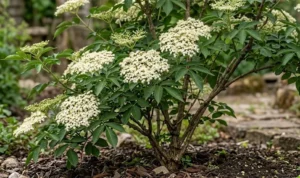
While the feltleaf ceanothus is generally a robust and resilient species, it can occasionally face challenges from various pests and diseases. Most of these issues are directly related to environmental stressors like poor drainage, high humidity, or improper planting locations. By learning how to identify the early warning signs of trouble, you can take quick action to protect your valued garden specimen. A professional approach to plant health focuses on prevention and early intervention to keep your shrubs looking their best.
Identifying fungal diseases
Fungal issues are perhaps the most common problems you will encounter when growing any variety of ceanothus in a garden. Powdery mildew is a frequent visitor, appearing as a white, dusty coating on the surface of the glossy green leaves. This usually happens during periods of high humidity combined with cool nights and poor air circulation around the plant. While it is rarely fatal, it can make the shrub look unattractive and can eventually weaken its overall health.
Leaf spot is another fungal condition that manifests as small, dark brown or black spots on the foliage of the shrub. These spots can eventually merge, causing large sections of the leaf to turn yellow and drop prematurely from the plant. This disease often spreads through water splashing from infected leaves or from the ground during heavy rain events. You can reduce the risk by ensuring your plants are spaced far enough apart to allow for maximum air movement.
Honey fungus is a much more serious threat that attacks the root system and the base of the stem from beneath the soil. You might notice the plant suddenly wilting or the leaves turning brown even though you have been watering correctly. If you see mushroom-like growths appearing at the base of the plant in the autumn, it is a very bad sign. Unfortunately, there is no effective cure for honey fungus, and infected plants usually have to be removed and destroyed.
Regularly inspecting the foliage and stems of your shrub will help you catch these fungal issues before they spread too far. You should look for any unusual discolorations, fuzzy growths, or areas where the leaves are falling off in large numbers. If you do find a problem, you can often manage it by pruning out the affected branches and improving the environment. Keeping the garden area clean and free of fallen, diseased leaves is also a very important preventative measure.
More articles on this topic
Preventing root rot issues
Phytophthora root rot is arguably the most common cause of death for ceanothus in a typical home garden environment. This soil-borne pathogen thrives in wet, heavy soils where the roots are deprived of the oxygen they need to function. The first sign of trouble is often a general decline in the plant’s health, followed by a sudden and total collapse. Once the rot has taken hold of the main root system, there is very little that even a professional gardener can do.
The best defense against root rot is to ensure that your plant is growing in soil with exceptional drainage from the very beginning. You should never plant a ceanothus in a low spot where water tends to collect after a storm or an irrigation session. If you have heavy clay soil, consider planting on a slope or a raised mound to help the water move away. Avoiding overwatering, especially during the summer months when the pathogen is most active, is also a vital precaution.
You should also be careful about the types of plants you place near your ceanothus to avoid creating a high-moisture microclimate. Avoid planting thirsty perennials or lush lawns right up to the base of the shrub, as their watering needs will be incompatible. Instead, surround your ceanothus with other drought-tolerant species that share its preference for dry, airy soil conditions. This shared environment will help keep the soil moisture levels within a safe range for everyone involved.
If you suspect that your plant is suffering from the early stages of root rot, you must act quickly to dry out the soil. Stop all supplemental watering immediately and check to see if any mulch is piled too high against the main trunk. Sometimes, improving the drainage around the plant by digging small trenches can help save a specimen that is not yet fully compromised. However, the best way to deal with root rot is always to prevent it through careful site selection and proper care.
More articles on this topic
Common insect pests
Scale insects are small, stationary pests that can sometimes be found clinging to the stems and the undersides of the leaves. They look like tiny bumps or scales and feed by sucking the sap directly out of the plant’s vascular system. Over time, a heavy infestation of scale can cause the leaves to turn yellow and the branches to become weak and brittle. You can often manage a small number of these pests by simply scraping them off or using a horticultural oil.
Aphids are another common pest that might appear on the tender new growth during the spring flowering season. These small, soft-bodied insects reproduce very quickly and can cause the leaves to curl or become distorted as they feed. They also produce a sticky substance called honeydew, which can attract ants and lead to the growth of black sooty mold. Usually, a strong blast of water from a garden hose is enough to dislodge the aphids without harming the plant.
Whiteflies are tiny, moth-like insects that you might see flying in a cloud when you disturb the branches of your shrub. Like aphids, they feed on the sap and can weaken the plant if their population is allowed to grow too large. They are often found on the undersides of the leaves, making them somewhat difficult to reach with topical treatments. Encouraging natural predators like ladybugs and lacewings into your garden is the most effective long-term solution for whitefly control.
Caterpillars and other leaf-eating insects might occasionally take a few bites out of the foliage, but this is rarely a major concern. Most ceanothus species are quite tough and can easily tolerate a small amount of aesthetic damage from the local wildlife. You should only intervene if you see a significant portion of the plant being defoliated in a very short amount of time. In most cases, the birds in your garden will take care of the caterpillars before they can do any real harm.
Integrated pest management solutions
The most professional way to handle pests and diseases is through a system known as Integrated Pest Management, or IPM. This approach focuses on using the least toxic methods first and only moving to stronger treatments if it is absolutely necessary. You should start by ensuring your plant is as healthy as possible, as a strong plant can naturally resist most attacks. Proper watering, correct sunlight, and good air circulation are your most important tools in this ongoing process.
Monitoring your garden regularly allows you to catch small problems before they turn into large, unmanageable disasters for your shrubs. Take a walk through your garden once a week and look closely at the stems and leaves of your ceanothus specimens. If you see a few pests, you might choose to do nothing and wait for natural predators like birds or ladybugs to arrive. This patient approach often results in a more balanced and resilient garden ecosystem over the long term.
If a treatment is required, start with biological or mechanical controls like hand-picking pests or using a simple water spray. You can also use insecticidal soaps or horticultural oils, which are much safer for the environment than traditional chemical pesticides. These products work by physical contact, so you must ensure that you cover all the affected areas, including the undersides of the leaves. Always read the label and apply these treatments during the cooler parts of the day to avoid leaf burn.
Creating a diverse garden habitat is the ultimate way to reduce the impact of pests and diseases on your feltleaf ceanothus. When you have a wide variety of plants, you attract a wide variety of beneficial insects that keep the pest populations in check. Avoiding the use of broad-spectrum chemicals helps to protect these helpful creatures and ensures they are always around when you need them. A healthy, diverse garden is a self-regulating system that requires much less intervention from the homeowner.
Restoration of health
If your ceanothus has survived a major pest or disease event, it may need some extra care to return to its former glory. You should start by carefully pruning away any dead, diseased, or severely damaged wood to prevent further issues from developing. Make sure to use clean, sharp tools and sanitize them between cuts to avoid spreading any remaining pathogens around the plant. This cleanup process helps the plant focus its remaining energy on producing healthy new growth in the coming season.
A very light application of a high-quality organic compost can provide a gentle boost to a recovering plant without overwhelming it. You want to provide a steady supply of micronutrients that will help the plant rebuild its internal defenses and foliage. Avoid using fast-acting chemical fertilizers, as the sudden surge of growth can be too stressful for a weakened specimen. Patience is key during this phase, as it may take a year or more for the plant to fully recover its vigor.
Ensuring that the environmental conditions are optimal will give your plant the best chance of a full and lasting recovery. Double-check the drainage around the base of the shrub and make sure it is receiving the right amount of sunlight for its needs. You might also want to thin out any surrounding plants that have become too large and are now crowding or shading your ceanothus. Giving the plant plenty of space and air will help prevent the original problem from returning in the future.
Sometimes, despite your best efforts, a plant may be too far gone to ever fully recover its health and beauty. If a ceanothus has lost more than half of its canopy to disease or has a compromised main trunk, it might be better to replace it. Starting fresh with a healthy new specimen in a better-prepared site can often be more rewarding than struggling with a failing plant. Every challenge in the garden is an opportunity to learn and to improve your skills as a professional caretaker.