
Beauty bush is one of those deciduous shrubs that can look relaxed and informal while still delivering a remarkably refined spring display. Its arching stems, bell-shaped pink flowers, and reliable hardiness make it valuable in mixed borders, cottage gardens, and larger ornamental plantings. Good care is not complicated, but the shrub responds best when soil, pruning, light, and water are managed with its natural growth habit in mind. Treat it as a flowering framework plant rather than a tightly controlled hedge, and it will reward the garden with generous bloom and graceful structure.
Understanding the growth habit
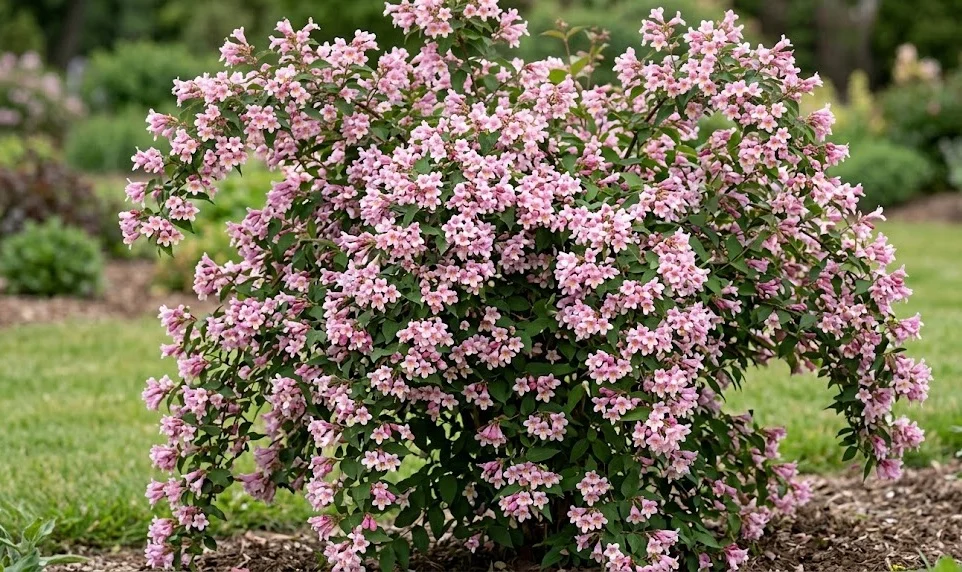
Beauty bush naturally forms a broad, vase-shaped shrub with long, arching canes that carry flowers along mature wood. This habit is central to good maintenance, because heavy shaping can easily remove the stems that would have produced the next flush of bloom. The plant usually looks best when allowed enough space to develop its fountain-like outline. In a cramped site, it often becomes tangled, shaded from within, and less productive.
The shrub is deciduous, so it drops its leaves in autumn and enters winter as a network of woody stems. In spring, fresh foliage appears before or around the time flower buds begin to open. The flowers are typically carried in clusters, with a soft pink tone that can vary slightly according to light, temperature, and cultivar. After flowering, the plant shifts energy toward shoot extension, root activity, and the formation of new wood.
A mature beauty bush can become sizeable, so placement matters as much as annual care. It is not a plant that enjoys being clipped repeatedly into a small ball or narrow column. Its best ornamental quality comes from movement, openness, and layered branches. When planted where it can reach its natural width, it needs less corrective pruning and develops a healthier crown.
Understanding that beauty bush flowers on older stems helps prevent the most common maintenance mistake. If the shrub is cut back hard in late winter, many flower-bearing shoots are removed before they open. Pruning is most effective shortly after flowering, when the display has finished and the plant still has enough season left to produce replacement growth. This timing keeps both appearance and bloom potential in balance.
More articles on this topic
Choosing the right site
A good site for beauty bush starts with light, air movement, and space. Full sun usually gives the heaviest flowering, especially in regions with moderate summers. Light afternoon shade can be useful in hotter gardens, where intense sun may stress leaves during dry spells. Deep shade should be avoided because it encourages sparse growth, fewer flower buds, and a weaker branch structure.
Soil should be fertile enough to support steady growth but not so rich that the shrub produces excessive soft shoots. A moderately loamy soil with good drainage is ideal. Beauty bush can tolerate a range of garden soils if they do not remain waterlogged for long periods. Persistent wetness around the roots can reduce vigor and increase the chance of root stress.
The planting area should allow the shrub to spread without constant interference from paths, walls, or nearby plants. Good spacing also improves air circulation around the canopy. This matters because dense, humid interiors are more likely to hold moisture on leaves and stems. Even though beauty bush is generally robust, a well-aired shrub is easier to keep healthy.
Avoid sites exposed to drying winds if the soil is light and moisture drains quickly. Wind can increase water loss through leaves, particularly when new spring growth is tender. A sheltered border, open lawn edge, or mixed shrub planting often provides a better balance. The goal is not to hide the plant, but to give it a stable environment where it can grow without repeated stress.
More articles on this topic
Soil preparation and mulching
Before planting or improving an established shrub, soil preparation should focus on structure rather than overfeeding. Incorporating mature compost into the surrounding soil can improve moisture retention, microbial activity, and root penetration. The compost should be well decomposed, because fresh organic matter can temporarily tie up nitrogen or attract unwanted pests. A broad planting area is more useful than a small enriched pocket directly beneath the root ball.
Drainage is especially important where the native soil is heavy clay. In such conditions, digging a deep planting hole and filling it with loose material can create a sump that collects water. A better approach is to improve a wide area, raise the planting level slightly, and avoid compacting the soil during work. Roots need oxygen as much as moisture, and compacted wet soil limits both.
Mulch is one of the simplest ways to support beauty bush through seasonal changes. A layer of shredded bark, leaf mold, composted wood chips, or similar organic material helps moderate soil temperature and reduce evaporation. It also protects surface roots from sudden drying and suppresses weeds that compete for water. Keep mulch away from direct contact with the stems to prevent damp bark and decay at the crown.
Renewing mulch once or twice a year is usually enough in a maintained garden. The layer does not need to be thick or piled high. Excessive mulch can hold too much moisture, encourage shallow rooting, and invite rodents to shelter close to the plant base. A modest, even layer across the root zone gives the best long-term benefit.
Watering for steady establishment
Newly planted beauty bush needs consistent moisture while it establishes a functional root system. The first growing season is the most important period, because roots are still adjusting to the surrounding soil. Deep watering is better than frequent light sprinkling. Moisture should reach below the surface so roots are encouraged to grow outward and downward.
The soil should be checked by touch rather than watered on a rigid calendar. If the top layer is dry but the soil below remains slightly moist, watering can wait. If the root zone is dry several centimeters down, the plant should be soaked thoroughly. This practical approach reduces both drought stress and the risk of overwatering.
Established beauty bush is moderately tolerant of short dry periods, but prolonged drought can reduce flower bud formation and weaken new growth. In summer heat, wilting leaves may recover by evening, but repeated wilting is a sign that irrigation is needed. Supplemental watering is particularly useful in sandy soils or near large trees that compete heavily for moisture. A slow soak around the drip line is more effective than spraying the foliage.
Avoid watering only at the base of the trunk once the shrub is established. Most active feeder roots are spread through the surrounding soil, often near or beyond the canopy edge. Watering a wider circle supports the full root system and helps the plant maintain balanced growth. This also reduces the chance of creating a constantly damp crown area.
Feeding and nutrient management
Beauty bush is not a heavy feeder, and excessive fertilizer can do more harm than good. Too much nitrogen encourages lush green growth at the expense of flowering and structural strength. In ordinary garden soil, an annual top-dressing of compost is often sufficient. This supplies nutrients slowly while also improving soil biology and texture.
If growth is weak despite proper light and watering, a balanced slow-release fertilizer may be used in early spring. The application should be modest and spread across the root zone rather than concentrated at the stem base. Fertilizer works best when soil moisture is adequate, because dry soil limits nutrient uptake. Overfeeding a stressed plant rarely solves the underlying problem.
Leaf color and shoot length can give useful clues about nutrition. Pale leaves may suggest low nitrogen, poor root function, excessive moisture, or unsuitable soil pH. Very long, soft shoots may indicate too much nitrogen or too much shade. A careful diagnosis is better than applying fertilizer automatically.
For mature shrubs, nutrient management should support flowering wood rather than rapid expansion. Compost, mulch, and healthy soil usually create a stable nutrient supply. If the plant blooms well and produces moderate new growth, no extra feeding is needed. In many gardens, restraint produces a stronger and more attractive beauty bush than aggressive fertilizing.
Pruning and seasonal grooming
The best time to prune beauty bush is immediately after flowering. This protects the current bloom and gives the plant time to produce new shoots for future flowering. Remove a portion of the oldest canes near ground level to open the shrub and stimulate renewal. This method preserves the natural shape while preventing the interior from becoming congested.
Light thinning is usually better than shearing. Shearing cuts across the natural arching stems and often creates a dense outer shell with a shaded, bare interior. It can also remove many developing flowering shoots. Selective pruning keeps the shrub graceful and healthier over time.
Dead, damaged, or crossing branches can be removed whenever they are noticed. Clean cuts should be made back to a suitable branch junction or to the base of the cane. Stubs tend to die back and may become entry points for decay. Sharp tools also reduce tearing and help wounds close more cleanly.
Rejuvenation may be needed when an old shrub has become woody, sparse, or badly overgrown. This can be done gradually by removing several of the oldest stems each year after flowering. A more severe cutback is possible on vigorous plants, but it may sacrifice bloom for a season. Gradual renewal is usually safer and produces a more attractive result.
Long-term maintenance and garden use
Beauty bush fits naturally into mixed shrub borders where its spring flowers can be followed by summer perennials, foliage plants, or later-blooming shrubs. It is most effective when treated as a seasonal highlight rather than expected to provide year-round drama. After flowering, its foliage forms a calm green background that supports other plants visually. This makes it valuable in layered plantings with changing seasonal interest.
Companion plants should be chosen with spacing and root competition in mind. Strongly aggressive groundcovers or dense shrubs planted too close can reduce air movement and compete for water. Spring bulbs, hardy geraniums, ornamental grasses, and moderate perennials often combine well around its base. The best companions enhance the shrub without overwhelming its root zone.
Monitoring the plant through the year prevents small issues from becoming major problems. Check for drought stress in summer, broken stems after storms, and overcrowded growth after several seasons. A few well-timed maintenance tasks are easier than major corrective work later. Regular observation is one of the most underrated parts of expert shrub care.
A well-grown beauty bush should look generous, airy, and naturally elegant. Its care is based on supporting that character rather than forcing it into a rigid form. With enough light, reasonable soil, thoughtful watering, and post-flowering pruning, it can remain productive for many years. In the right place, it becomes a dependable spring feature with very little fuss.