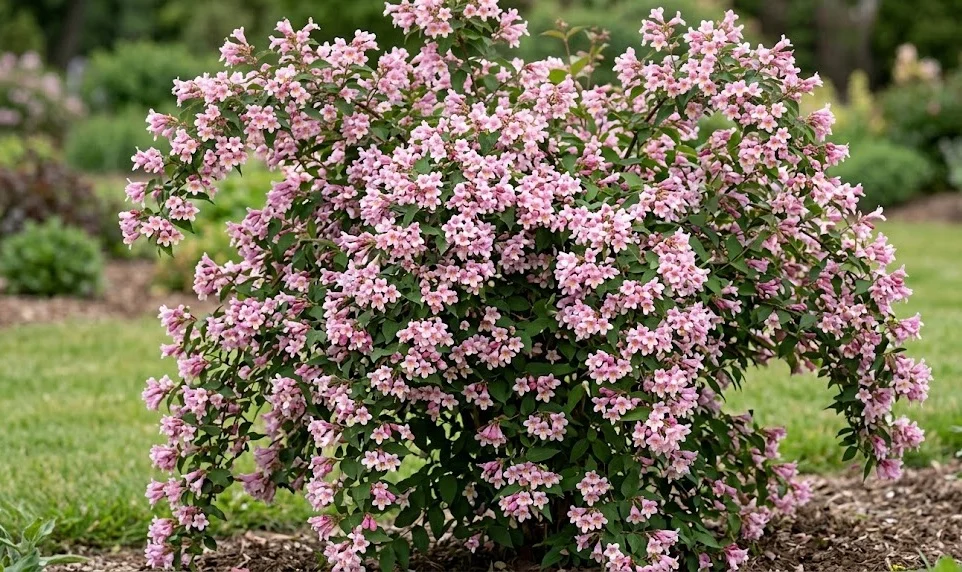

Beauty bush is a hardy deciduous shrub, and in suitable climates it usually passes through winter without elaborate protection. The key to successful overwintering is not wrapping the plant unnecessarily, but preparing it properly before cold weather arrives. Strong roots, mature wood, balanced moisture, and a clean planting area all improve winter resilience. When winter care respects the shrub’s natural dormancy, spring growth begins with less stress and better flowering potential.
Preparing the shrub in autumn
Autumn preparation begins with reducing stress before the plant enters dormancy. If late summer and autumn have been dry, deep watering helps the root zone recover before winter. Moist soil protects roots better than severely dry soil, especially when cold winds and frozen ground limit water uptake. This is particularly important for recently planted shrubs.
Fertilization should usually stop by late summer. Late nitrogen can stimulate soft shoots that do not mature well before frost. Beauty bush needs time to harden its wood naturally as day length shortens and temperatures fall. Mature wood is more resistant to winter injury than tender late growth.
Fallen leaves and dead debris can be cleared from around the base if disease was present during the season. Good sanitation reduces overwintering sites for pests and pathogens. However, the soil should not be left bare if erosion, freezing, or drying is likely. A clean organic mulch layer provides protection without trapping diseased foliage against the crown.
Autumn is also a good time to inspect the shrub for broken or damaged stems. Light corrective removal is acceptable, especially for branches that may tear further in snow or wind. Major shaping should still wait until after spring flowering. Heavy autumn pruning can expose the plant and remove wood that would have contributed to the next bloom.
More articles on this topic
Mulching and root protection
A moderate mulch layer is helpful for winter root protection. Organic materials such as shredded bark, composted wood chips, or leaf mold help buffer temperature swings in the soil. They also reduce moisture loss during dry winter periods. The mulch should cover the root zone broadly rather than forming a mound at the trunk.
Mulch must be kept away from direct contact with the stems. A thick pile against the crown can hold moisture, encourage bark problems, and provide shelter for rodents. The safest method is to leave a small clear space around the base while mulching outward beneath the canopy. This protects roots while keeping the woody crown dry and visible.
In colder regions, mulch is especially valuable for young plants. Newly planted shrubs have not yet developed the wide root system of established specimens. Their roots are more exposed to freezing and thawing cycles near the surface. A steady soil environment helps prevent heaving and root damage.
Avoid using plastic sheeting or non-breathable coverings over the root zone. These materials can trap excess moisture and interfere with gas exchange. Organic mulch is more compatible with the biology of the soil. As it slowly decomposes, it also contributes to long-term soil improvement.
More articles on this topic
Protecting stems from winter damage
Established beauty bush generally does not need full wrapping in most suitable growing areas. Its deciduous habit and woody framework are naturally adapted to winter dormancy. Problems are more likely from wind exposure, heavy snow, ice, or animal browsing than from cold alone. Protection should target the actual risk rather than cover the entire shrub by default.
In windy sites, temporary wind protection may help young shrubs. Burlap screens placed on the windward side can reduce drying without enclosing the plant tightly. The material should not be wrapped directly against branches for long periods, because trapped moisture and rubbing can cause damage. Air circulation remains important even in winter.
Heavy snow can bend arching branches, especially on large shrubs. If snow is light and fluffy, it can often remain without concern. Wet, heavy snow may be gently brushed off with an upward motion to avoid breaking stems. Pulling branches downward or shaking frozen wood can cause more harm than the snow itself.
Rodent and deer damage may occur in some gardens. Keeping mulch away from the stems discourages rodents from nesting against the crown. Where deer browse heavily, fencing or repellents may be needed during winter. Damage prevention is easier than restoring a shrub after repeated chewing of young shoots.
Container overwintering and spring recovery
Beauty bush grown in containers needs more protection than plants in the ground. Potting mix freezes more quickly than garden soil, and roots in containers are exposed to sharper temperature changes. The pot can be moved to a sheltered location, such as against a protected wall or inside an unheated structure with light. The goal is dormancy, not warm indoor growth.
Container plants should not dry out completely during winter. Even dormant roots can be damaged by prolonged dryness. Occasional watering may be necessary during mild periods when the potting mix is dry. Water should drain freely so the container does not remain saturated.
In early spring, winter protection should be removed gradually. Mulch can remain, but any screens or coverings should be taken away once severe weather has passed. Inspect the plant for broken stems, dead tips, or signs of animal damage. Pruning should focus only on damaged wood until flowering has finished.
Spring recovery depends on how well the shrub entered winter. A plant that was watered properly, not overfed late, and protected from avoidable damage usually leafs out strongly. If some tips die back, the shrub can often replace them with new shoots. With sensible winter care, beauty bush returns to growth ready for its main seasonal display.