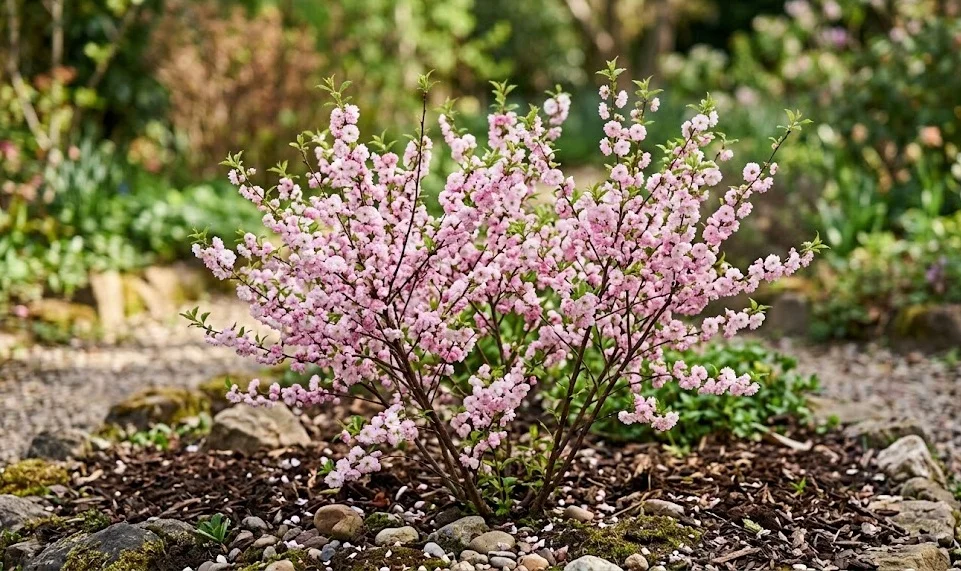

Understanding the specific light needs of the Japanese dwarf cherry is a fundamental aspect of its cultivation that directly influences its health and ornamental value. This species has evolved to thrive in certain lighting conditions, and failing to provide them can lead to poor flowering, leggy growth, and increased susceptibility to disease. As a gardener, your goal is to match the plant’s placement with the natural solar patterns of your landscape. By prioritizing proper light exposure, you ensure that this shrub reaches its full potential as a stunning spring centerpiece.
Ideal light conditions for flowering and growth
The Japanese dwarf cherry is primarily a sun-loving species that requires a significant amount of direct light to produce its famous blossoms. For the most profuse and vibrant floral display, the shrub should ideally receive at least six to eight hours of full sun every day. Full sun provides the energy needed for the plant to develop strong flower buds and maintain a compact, bushy habit. You will notice that specimens grown in optimal light have shorter internodes and a more robust overall appearance.
In addition to supporting the flowering process, ample sunlight is essential for the healthy development of the foliage. The leaves of the Japanese dwarf cherry are the “engine” of the plant, converting light into the sugars needed for growth and survival. When the plant receives enough light, the leaves are typically a rich, deep green and show a natural resilience to common environmental stressors. Proper light exposure also helps to dry the foliage quickly after rain, which is a key factor in preventing fungal diseases like powdery mildew.
Morning sun is particularly beneficial for this species, as it provides high-quality light while the temperatures are still relatively cool. It also helps to burn off the dew that accumulates overnight, reducing the window of time that pathogens have to infect the plant. If you have a choice of locations, a site with eastern exposure is often the most successful for ornamental cherries. The gentle warming effect of the early sun helps the plant’s metabolic processes get a head start each day.
However, you must also be mindful of the intensity of the light, especially in regions with very high summer temperatures. While the shrub loves the sun, extreme afternoon heat combined with direct light can sometimes lead to leaf scorch or stress. In such climates, a location that offers some light, dappled shade during the hottest part of the day can be a professional compromise. Balancing the need for energy with the risk of heat stress is a hallmark of an expert gardener’s approach.
More articles on this topic
Managing shade and suboptimal lighting
While the Japanese dwarf cherry prefers full sun, it can often tolerate partial shade, though this will have a noticeable impact on its performance. In shaded conditions, the shrub will typically produce fewer flowers, and the ones that do appear may be less vibrant in color. You may also notice that the plant begins to “stretch” or become leggy as it tries to reach toward the available light. This results in a less attractive, more open structure that may require more frequent pruning to maintain its shape.
Plants grown in too much shade are also more likely to suffer from chronic moisture issues on their leaves and stems. Without the sun to evaporate excess water, the environment around the shrub remains humid for longer periods, creating ideal conditions for fungi to thrive. If you must plant in a shadier spot, it is even more important to ensure excellent air circulation and to avoid overhead watering. Monitoring the plant’s health more closely will allow you to intervene at the first sign of mildew or leaf spot.
If you find that an established Japanese dwarf cherry is struggling due to increasing shade from nearby trees or structures, there are steps you can take. Thinning the canopy of overhanging trees can allow more dappled light to reach the shrub below without requiring a full relocation. Alternatively, using light-colored mulches or reflective surfaces nearby can help bounce additional light into the shaded area. These small adjustments can make a significant difference in the vigor of a light-deprived plant.
Ultimately, if a site is consistently dark or heavily shaded throughout the day, it is likely not suitable for the Japanese dwarf cherry. Pushing a plant beyond its biological limits only leads to frustration for the gardener and a poor life for the specimen. In such cases, it is better to choose a different ornamental species that is naturally adapted to low-light environments. Professional gardening is about making informed choices that respect the inherent needs of each individual plant.
More articles on this topic
Effects of light on seasonal development
The changing duration and intensity of light throughout the year act as a biological clock for the Japanese dwarf cherry. In the spring, the increasing day length and higher sun angle signal the plant to break dormancy and begin the flowering process. This transition is a high-energy period where the quality of light directly affects the speed and success of the bloom. A cloudy, dark spring can sometimes delay the flowering or cause the blossoms to fall more quickly than they would in sunny weather.
During the summer, the long days of intense light are the primary time for the plant to store energy for the coming winter. This is also when the shrub begins to form the flower buds for the following spring, a process that is invisible but vital. If the plant is shaded or stressed during this time, next year’s floral display may be significantly diminished. Ensuring consistent light exposure during the summer months is an investment in the future beauty of your garden.
As autumn approaches and the days shorten, the decreasing light levels tell the Japanese dwarf cherry to begin shutting down for the winter. This change triggers the process of leaf senescence, where the plant pulls nutrients back from the foliage before it drops. The intensity of autumn light can also influence the color of the leaves before they fall, with brighter light often leading to more vivid seasonal hues. Understanding these light-driven cycles allows you to anticipate the needs of your plant as the seasons change.
Finally, even in the winter, the orientation of the sun can have an impact on the dormant shrub. Southern exposures can lead to significant temperature swings on sunny winter days, which may cause the bark to expand and contract rapidly. This can sometimes lead to a condition known as sunscald, where the bark cracks or dies on the side facing the sun. Providing a bit of shade to the trunk during the winter can prevent this issue in particularly sensitive areas.