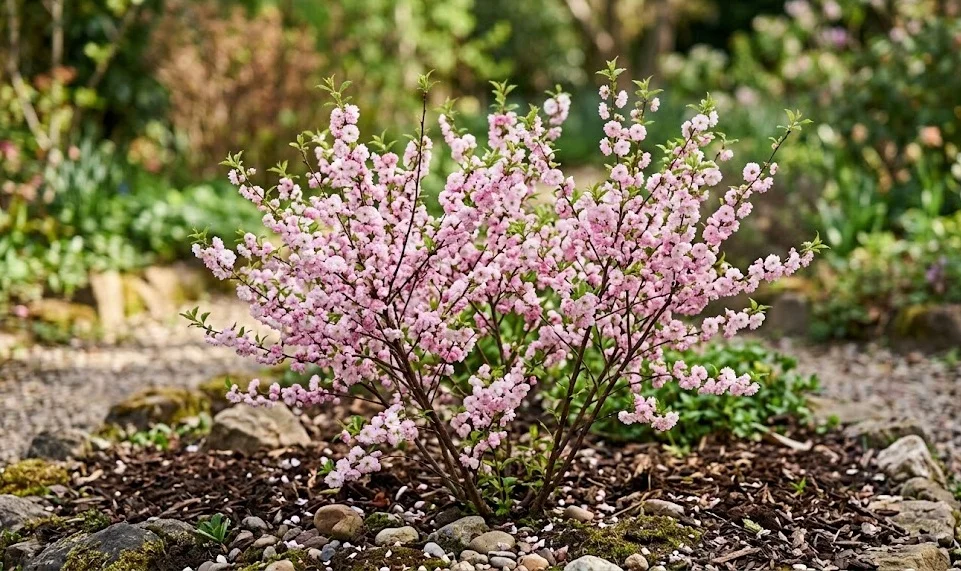

Maintaining the health and vibrancy of the Japanese dwarf cherry requires a dedicated approach that balances environmental factors with consistent horticultural practices. This compact ornamental shrub is prized for its stunning spring blossoms, but its beauty is highly dependent on the quality of care it receives throughout the year. Gardeners should prioritize understanding the specific needs of this species to ensure it thrives in various landscape settings. By following professional guidelines, you can enjoy a flourishing specimen that serves as a focal point in any garden design.
Essential soil requirements for optimal growth
The foundation of successful cultivation begins with selecting the right soil composition for your ornamental shrubs. Japanese dwarf cherry specimens prefer well-draining soil that is rich in organic matter to support their delicate root systems. You should aim for a soil pH that is slightly acidic to neutral, as this range allows for the best nutrient uptake. Avoiding heavy clay or areas prone to waterlogging is crucial because these conditions often lead to root decay and overall plant decline.
To improve the structure of your garden soil, consider incorporating compost or well-rotted manure before the growing season starts. These organic amendments not only provide essential nutrients but also enhance the soil’s ability to retain moisture without becoming oversaturated. If your garden has naturally heavy soil, creating raised beds can be an effective solution to provide the necessary drainage. Professional horticulturists often recommend testing the soil periodically to monitor its mineral content and acidity levels.
Consistency in soil quality ensures that the plant remains resilient against environmental stressors and common pathogens. You should check the compaction of the ground around the base of the shrub to ensure that air can reach the roots effectively. Mulching with organic materials like bark chips or leaf mold can help maintain a stable soil temperature and prevent the growth of competing weeds. This practice also slowly adds nutrients back into the earth as the mulch decomposes over time.
Finally, remember that the Japanese dwarf cherry is sensitive to high salinity and chemical imbalances in the substrate. Avoid using heavy synthetic fertilizers without first verifying the specific needs of your garden’s ecosystem. Proper soil preparation is not a one-time task but a continuous process of observation and adjustment. By focusing on the health of the ground beneath the plant, you are investing in the long-term vitality of the entire shrub.
More articles on this topic
Seasonal management strategies for gardeners
As the seasons change, the requirements of the Japanese dwarf cherry shift significantly to adapt to the shifting climate. During the spring, the focus should be on supporting the energy-intensive flowering phase through adequate hydration and light feeding. You will notice that the shrub responds quickly to the warming weather, making this the ideal time for detailed inspections. Observing the early development of buds can give you valuable insights into the plant’s overall health and potential performance.
Summer care is primarily centered on heat management and ensuring the plant does not suffer from drought stress. During periods of intense sunlight and high temperatures, the evaporation rate increases, necessitating a more rigorous watering routine. You should monitor the foliage for any signs of wilting or leaf scorch, which are common indicators that the shrub is struggling with the heat. Providing some afternoon shade can be beneficial during the peak of summer if the plant is located in an especially exposed area.
When autumn arrives, the Japanese dwarf cherry begins its preparation for the dormant winter period. This is the time to reduce watering and stop any fertilization to allow the new growth to harden off before the first frost. You should also take this opportunity to clean up fallen leaves and debris from around the base of the plant. Maintaining a clean environment helps to reduce the risk of overwintering pests or fungal spores that could cause issues in the following spring.
The winter months require a more hands-off approach, though you must still protect the plant from extreme conditions. While the shrub is dormant, its metabolic processes slow down significantly, but it remains vulnerable to physical damage from heavy snow or ice. You should check the structural integrity of the branches after significant storms to ensure nothing has broken. This seasonal cycle of care ensures that the plant remains productive and beautiful for many years to come.
More articles on this topic
Managing environmental stressors and placement
The placement of your Japanese dwarf cherry in the garden landscape plays a vital role in its long-term survival and aesthetic appeal. These shrubs are relatively hardy, yet they can be sensitive to strong, drying winds that strip moisture from the leaves. You should choose a location that offers some protection from the elements while still providing excellent air circulation. Good airflow is essential for preventing the buildup of humidity, which can lead to various fungal complications.
Urban environments present unique challenges, such as heat island effects and potential pollutants in the air. If you are planting in a city garden, ensure that the shrub has enough space to grow without being crowded by structures or other plants. Competition for resources can weaken the Japanese dwarf cherry, making it more susceptible to secondary infections or pest infestations. Strategic placement near a fence or a larger windbreak can provide the necessary microclimate for it to flourish.
Temperature fluctuations during late spring can be particularly damaging to the delicate blossoms of this species. If a late frost is predicted, you may need to provide temporary cover to protect the flowers from being killed by the cold. Experienced gardeners often use burlap or specialized frost blankets to shield their ornamental plants during these critical windows. Understanding the local climate patterns is a key component of being a successful steward for this particular shrub.
Furthermore, consider the proximity of the plant to walkways or areas where salt might be used during the winter. Salt spray or runoff can be detrimental to the health of the Japanese dwarf cherry, causing chemical burns on the roots and foliage. You should always aim to create a buffer zone between the plant and any potential sources of chemical contamination. Careful planning during the initial design phase of your garden will save you significant effort in the long run.
Enhancing aesthetic appeal through maintenance
The primary reason most people cultivate the Japanese dwarf cherry is for its exceptional ornamental value during the blooming season. To maximize this visual impact, you must ensure that the shrub remains healthy and well-proportioned through regular maintenance. Removing spent flowers, a process known as deadheading, can help the plant redirect its energy toward root development and foliage health. While not always strictly necessary for survival, it significantly improves the appearance of the shrub after the peak bloom.
Foliage quality is another important aspect of the plant’s aesthetic that requires your attention throughout the summer. The green leaves provide a lovely backdrop for other garden plants once the flowers have faded and fallen. You should watch for any discoloration or spotting that might detract from the uniform look of the canopy. Keeping the leaves dust-free in particularly dry environments can also help the plant photosynthesize more efficiently and look its best.
Maintaining a clear area around the base of the shrub creates a professional and polished look in your garden beds. You can use decorative stones or high-quality mulch to define the space and highlight the structure of the Japanese dwarf cherry. This not only looks good but also serves the practical purpose of preventing lawnmowers or string trimmers from damaging the bark. Physical damage to the trunk can introduce pathogens and permanently scar the plant.
Regularly stepping back to evaluate the overall shape of the shrub will help you decide on minor aesthetic adjustments. You might find that some branches are growing in directions that disrupt the symmetrical beauty of the plant. While major pruning is a separate task, small corrections can be made periodically to keep the specimen looking tidy. A well-maintained Japanese dwarf cherry is a testament to the gardener’s skill and attention to detail.
Monitoring plant health and vitality
A proactive approach to health monitoring is the best way to prevent serious problems from developing in your Japanese dwarf cherry. You should make a habit of inspecting the undersides of leaves and the junctions of branches for any signs of trouble. Early detection of issues like scale insects or mildew can make the difference between a simple fix and a lost plant. Professional gardeners often keep a log of their observations to track changes in the plant’s vigor over time.
The color and size of the leaves are excellent indicators of the internal health of the specimen. If you notice a sudden yellowing of the foliage outside of the autumn season, it could indicate a nutrient deficiency or a watering issue. Similarly, stunted growth during the peak of the growing season suggests that the plant is not receiving what it needs from its environment. Taking the time to understand these biological signals allows you to intervene before the situation becomes critical.
Root health is more difficult to monitor but just as important as the visible parts of the shrub. If the plant seems unstable in the ground or if the soil smells sour, there may be an issue with the root system or drainage. You can gently check the moisture level of the soil several inches down to ensure that the water is reaching the roots effectively. Healthy roots are the lifeline of the plant, supporting everything from nutrient transport to structural stability.
Lastly, consider the impact of local wildlife on the health of your Japanese dwarf cherry. Rabbits or deer can sometimes find the bark or young shoots of this shrub quite appealing, especially during the winter. You might need to install protective mesh or use organic repellents if you live in an area with high wildlife activity. Protecting the physical integrity of the plant is a fundamental part of a comprehensive care strategy.
Long-term sustainability in the garden
Thinking about the long-term future of your Japanese dwarf cherry will help you make better decisions in the present. This shrub can live for many years if it is provided with a stable environment and consistent care. You should avoid making drastic changes to the surrounding landscape that might alter the light or water availability for the plant. Gradual adjustments are always better for the health of established ornamental specimens.
As the shrub ages, its needs may change slightly, requiring you to adapt your maintenance routine. Older plants may benefit from more frequent soil amendments or a more careful approach to pruning to maintain their vigor. You should continue to educate yourself on the latest horticultural techniques to ensure you are providing the best possible care. The world of gardening is always evolving, and staying informed will benefit both you and your plants.
Consider the role of the Japanese dwarf cherry within the larger ecosystem of your garden. By avoiding harsh chemicals and promoting soil health, you are supporting beneficial insects and soil microorganisms. A healthy garden ecosystem acts as a natural defense system, reducing the need for intensive human intervention. Sustainability is about working with nature rather than trying to control every aspect of the plant’s life.
Ultimately, the goal of caring for this beautiful species is to create a harmonious and lasting presence in your outdoor space. The joy of seeing the first blossoms each spring is a rewarding experience that justifies the effort put into its care. Your commitment to professional standards will ensure that the Japanese dwarf cherry remains a highlight of your garden for decades. Patience and consistency are the hallmarks of a truly expert gardener.
Advanced tips for specimen perfection
For those who want to take their Japanese dwarf cherry to the next level, there are several advanced techniques to consider. One such method involves precision feeding based on the specific growth stages of the plant. Instead of a general-purpose fertilizer, you might use formulas with higher phosphorus during the bud formation period. This targeted approach can result in a more prolific and vibrant floral display that lasts longer.
Another advanced strategy is the use of biostimulants to enhance the natural resilience of the shrub. Products containing seaweed extracts or beneficial fungi can improve the plant’s ability to handle environmental stress. These supplements work at a cellular level to strengthen the plant’s internal systems and improve nutrient efficiency. While not essential, they can provide that extra edge needed for exhibition-quality specimens.
You might also experiment with micro-irrigation systems that deliver water directly to the root zone with minimal waste. This level of precision ensures that the plant receives exactly the amount of moisture it needs without wetting the foliage. Reducing leaf wetness is a primary strategy for preventing the spread of water-borne diseases and maintaining a clean look. Technology can be a great ally in the quest for horticultural perfection.
Finally, networking with other gardening professionals and enthusiasts can provide you with localized knowledge that is invaluable. Every microclimate has its own set of challenges, and learning from the experiences of others can save you from common pitfalls. Sharing your own successes and failures contributes to a community of knowledge that helps everyone grow better plants. The pursuit of excellence in the garden is a journey that is best shared with others.