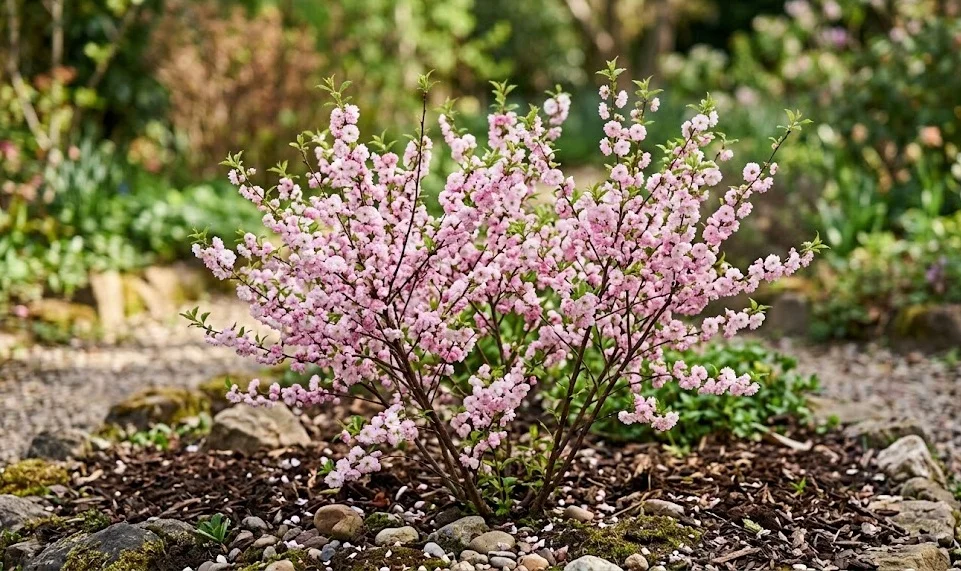

Ensuring the survival of the Japanese dwarf cherry through the harsh winter months is a critical part of its annual maintenance cycle. While this species is known for its hardiness, the combination of freezing temperatures, drying winds, and fluctuating snow levels can still pose a significant threat. A professional overwintering strategy involves preparing the plant well in advance and providing the necessary physical protection to minimize environmental damage. By taking these steps, you guarantee that your shrub will emerge in the spring ready to produce its spectacular floral display.
Preparing the shrub for dormancy in autumn
The process of overwintering begins long before the first snowflake falls, starting with the gradual transition into dormancy during the autumn. You should stop all fertilization by late summer to prevent the stimulation of new growth that would be too tender to survive a frost. This allows the plant to focus its energy on hardening its wood and storing essential carbohydrates in its root system. Observing the natural change in foliage color is a good indicator that the shrub is successfully entering its resting phase.
Watering remains important during the autumn, even as the temperatures begin to drop and the leaves start to fall. You must ensure that the ground around the Japanese dwarf cherry is well-hydrated before the soil freezes solid. Dry roots are far more susceptible to damage from extreme cold than those that are surrounded by moist soil. A deep soaking in late October or November, depending on your local climate, is one of the best things you can do for the plant’s winter health.
Cleaning up the area around the base of the shrub is another essential task for late autumn. You should remove fallen leaves and any dead organic matter that could harbor overwintering pests or fungal spores. This reduces the pressure from diseases like leaf spot or mildew when the warmer weather returns in the spring. Maintaining a clean and tidy environment prevents the buildup of moisture against the trunk, which can lead to rot during the damp winter months.
Finally, take the time to inspect the structural integrity of the branches before the winter storms arrive. Prune away any dead, damaged, or diseased wood that might be more likely to break under the weight of heavy snow or ice. This preventative pruning not only protects the plant but also makes it easier to manage during the dormant season. A well-prepared shrub is much better equipped to handle whatever the winter season might bring its way.
More articles on this topic
Physical protection from extreme cold and wind
In regions with particularly severe winters, providing some form of physical protection can be the difference between survival and significant dieback. The Japanese dwarf cherry can be sensitive to the desiccating effects of cold winter winds, which strip moisture from the bark and buds. You can create a simple windbreak using burlap or specialized garden fabric attached to stakes around the plant. This shield reduces the wind speed and helps to maintain a slightly more stable microclimate around the shrub.
For smaller specimens or those in very exposed locations, wrapping the entire plant in burlap can provide an extra layer of insulation. You should avoid using plastic for this purpose, as it can trap moisture and cause the plant to overheat on sunny winter days. The wrapping should be secure but not so tight that it damages the branches or prevents all air circulation. This type of protection is especially important during the first few years after planting when the shrub is still establishing itself.
Mulching is another vital component of winter protection that helps to regulate soil temperature and conserve moisture. You should apply a fresh, thick layer of wood chips, straw, or shredded bark around the base of the plant in late autumn. This layer acts as an insulating blanket, preventing the “freeze-thaw” cycle that can push young plants out of the ground—a phenomenon known as frost heaving. Ensure the mulch is a few inches deep but keep it away from direct contact with the main trunk.
If you are expecting a period of extreme cold, you might even consider adding a layer of snow around the base of the shrub if it is available. Snow is actually an excellent insulator and can protect the lower branches and root zone from the most intense temperatures. Just be careful not to pack the snow too tightly, which could cause physical damage to the plant’s structure. These physical measures provide a safety net for your ornamental plants during the most challenging part of the year.
More articles on this topic
Managing snow and ice accumulation
Snow and ice can be both a blessing and a burden for the Japanese dwarf cherry during the winter months. While a light covering of snow provides insulation, a heavy accumulation can bend or even break the delicate branches of this dwarf shrub. You should gently brush off heavy snow from the canopy after a significant storm using your hands or a soft broom. Always use upward motions to avoid putting further stress on the wood and causing it to snap.
Ice is a more difficult challenge because it is much heavier than snow and cannot be easily removed without damaging the plant. If your Japanese dwarf cherry becomes coated in ice, the best course of action is usually to leave it alone and let it melt naturally. Attempting to crack the ice or melt it with heat will almost certainly cause more harm than good to the frozen tissues. If a branch does break under the weight, you should wait until the weather warms slightly to make a clean pruning cut.
The placement of the plant in your garden can significantly affect how much snow it has to deal with. Avoid planting the Japanese dwarf cherry in areas where snow is frequently shoveled or where it might fall in large volumes from a nearby roof. These sudden, heavy loads can easily crush the compact structure of the shrub and cause permanent disfigurement. If your plant is in such a location, you may need to build a temporary wooden frame over it for protection.
Furthermore, be mindful of the products used to melt ice on nearby walkways or driveways. De-icing salts can be extremely damaging to the Japanese dwarf cherry if they wash into the soil or are splashed onto the branches. If you must use these products, choose “plant-friendly” alternatives or ensure that there is a physical barrier to prevent runoff from reaching the root zone. Protecting the plant from chemical stress is just as important as protecting it from physical weight during the winter.
Monitoring and transition back to spring
Even during the depth of winter, it is a good idea to periodically check on your Japanese dwarf cherry when the weather allows. You should look for any signs of animal damage, as rabbits and voles can sometimes chew on the bark of ornamental shrubs when other food is scarce. If you notice signs of gnawing, you may need to install a temporary wire mesh guard around the trunk to prevent further injury. Early detection of these issues allows you to take action before the damage becomes life-threatening.
As the days begin to lengthen and the temperatures start to rise, you should monitor the plant for signs of breaking dormancy. The transition from winter back to spring is a delicate time, as a sudden late frost can damage the emerging buds. You should wait until the danger of hard freezes has passed before removing any burlap wraps or windbreaks. Gradually exposing the plant to the elements again helps to prevent environmental shock and ensures a smooth start to the growing season.
The removal of winter mulch should also be done carefully, as you don’t want to expose the soil too quickly while it is still cold. You can thin out the layer of mulch as the ground warms, which allows the soil to breathe and helps the roots become active again. This is also a good time to do a thorough inspection for any winter kill—branches that did not survive the cold. Pruning these out once the buds begin to swell will help the plant direct its energy toward healthy new growth.
Finally, the first watering of the spring should be done as soon as the ground has thawed and the plant begins to show signs of life. This helps to wash away any accumulated salts and provides the hydration needed for the intense energy of flowering. Your careful attention during the winter months will be rewarded when the Japanese dwarf cherry bursts into bloom once again. Success in overwintering is a testament to the dedication and skill of a truly professional gardener.