
The ability of the parsnip to survive and even improve in quality during the coldest months is one of its most remarkable and valued characteristics. Unlike most other vegetables that must be harvested before the first frost, parsnips actually benefit from being exposed to freezing temperatures while still in the ground. You must understand that this cold exposure triggers a biological process where the plant converts its stored starches into complex sugars, resulting in a much sweeter flavor. A professional approach to overwintering involves balancing this flavor development with the practicalities of harvesting from frozen soil.
Preparing the crop for the winter months requires a shift in maintenance priorities as the plant’s growth slows down and it enters a state of dormancy. You should focus on protecting the crowns of the roots from extreme temperature fluctuations and excessive moisture that could lead to rot. While the roots are incredibly hardy, the transition into and out of deep freezes can be stressful for the plant’s cellular structure. Professional growers often use specialized mulching techniques to create a more stable environment for the parsnips during the most unpredictable periods of the winter season.
The decision to leave parsnips in the ground or move them to a controlled storage environment depends on your local climate and the specific conditions of your garden. If you live in an area with very wet winters and heavy clay soil, the risk of root rot might outweigh the benefits of leaving the crop in situ. Conversely, in regions with reliable snow cover or well-drained soil, ground storage is often the easiest and most effective way to preserve the quality of the vegetables. You should weigh these factors carefully to determine the best strategy for your agricultural magazine’s specific growing site.
Harvesting during the winter presents its own set of challenges, particularly when the ground is frozen solid and difficult to work with tools. You need to plan ahead to ensure that you can actually access and lift the roots when you want to use them for culinary purposes. Using heavy layers of mulch can keep the ground from freezing as deeply, making it possible to harvest parsnips even in the middle of a cold snap. This professional foresight ensures that you can enjoy the fruits of your labor throughout the entire winter, regardless of the weather conditions outside.
Cold tolerance and physiological changes
The parsnip’s survival strategy for the winter is a fascinating example of natural antifreeze production within the plant’s own root system. You should be aware that the concentration of sugars in the root increases significantly after the first few hard frosts of the late autumn. These sugars act as a solute that lowers the freezing point of the water within the plant’s cells, preventing them from rupturing during cold spells. This physiological adaptation is what gives the winter-harvested parsnip its legendary sweetness and smooth, creamy texture after it is cooked.
More articles on this topic
Temperature thresholds are an important concept for professional growers to understand when managing an overwintering crop in the field. While parsnips can survive temperatures well below freezing, the duration and intensity of the cold can still impact the long-term health of the root. If the ground remains frozen for many weeks, the plant may experience a type of physiological drought because it cannot take up water from the frozen soil. Monitoring the soil temperature and depth of frost is a professional way to gauge the state of your crop during the winter months.
The leaves of the parsnip will naturally die back as the weather turns cold, which is a normal part of the plant’s entry into winter dormancy. You should not be alarmed when the vibrant green foliage turns brown and collapses, as the energy has already been moved down into the taproot for storage. Removing the dead foliage can help reduce the hiding places for pests and improve the overall cleanliness of the garden bed for the winter. This simple maintenance task also makes it easier to see where the roots are located when you are ready to begin the harvest.
Understanding the difference between “hardy” and “invincible” is a key distinction for any professional agriculturist working with overwintering vegetables. While parsnips are among the most resilient crops, they can still be damaged by extreme environmental events like ice storms or prolonged waterlogging. Your goal is to provide enough protection to help the plant use its natural defenses effectively without interfering with its developmental cues. By respecting the plant’s limits and supporting its biological processes, you can achieve a perfect winter harvest that showcases the best qualities of the vegetable.
Mulching strategies for winter protection
Applying a thick layer of organic mulch is the most effective way to insulate the soil and protect your parsnip crop from the harshest winter weather. You should use materials like clean straw, fallen leaves, or wood chips to create a protective blanket over the entire growing bed. This layer traps air and acts as a thermal buffer, preventing the soil from freezing as quickly or as deeply as exposed ground would. A professional recommendation is to apply the mulch at least fifteen to twenty centimeters deep for maximum effectiveness in colder climates.
More articles on this topic
Timing the application of your winter mulch is a professional skill that involves watching the weather and the state of the parsnip plants. You should wait until the ground has started to cool down but before it freezes solid to ensure the mulch doesn’t trap unwanted heat or moisture. Applying the mulch too early in the autumn can encourage pests like rodents to take up residence in the warm, dry environment you have created. Wait for a few light frosts to signal the plants to go dormant before you settle them in with their heavy winter protective layer.
Rodent management is a necessary consideration when using thick mulches during the winter, as voles and mice often find the covered parsnip beds attractive. You should check the area regularly for signs of tunneling or chewing on the crowns of the roots that are visible at the surface. Some growers use fine wire mesh or specialized repellents under the mulch to deter these small mammals from damaging the crop. A professional approach involves balancing the need for thermal protection with the risk of creating a perfect habitat for unwanted garden pests.
In the spring, you must be ready to remove the mulch as soon as the ground begins to thaw and the plants show signs of waking up. Leaving the heavy winter mulch on for too long can trap cold in the soil and delay the start of spring growth or encourage fungal rot in the crowns. Gently raking away the protective layer allows the sun to warm the soil and provides the plants with the light and air they need to resume their life cycle. This transition back to active management is the final step in a successful overwintering strategy for any professional grower.
Ground storage vs cellar storage
Leaving parsnips in the ground is the traditional and often most effective way to store the crop, provided your soil conditions are suitable. You will find that the earth acts as a giant natural refrigerator, keeping the roots at a perfect temperature and humidity level for many months. This “in-situ” storage method requires the least amount of effort and space, making it a favorite for many professional agricultural projects. However, you must ensure that your beds are well-drained to avoid the roots sitting in cold, stagnant water during the rainy winter months.
If your garden soil is heavy clay or prone to flooding, harvesting the roots and moving them to a root cellar might be a safer professional option. You should harvest the parsnips in the late autumn after the first frost but before the ground becomes too wet or frozen to work easily. Place the unwashed roots in boxes filled with damp sand or sawdust to maintain the high humidity they need to stay crisp and flavorful. Storing them in a cool, dark place like a basement or an insulated shed will keep them in excellent condition for several months.
The flavor and texture of cellar-stored parsnips can be slightly different from those left in the ground, as they do not continue to experience the same environmental cues. You might find that the sweetness is more stable in a cellar, whereas ground-stored roots can become even sweeter as the winter progresses. Both methods have their pros and cons, and many professional growers use a combination of both to ensure they have a reliable supply of vegetables throughout the season. Experimenting with both storage techniques will help you determine which one works best for your specific climate and garden setup.
Accessibility is a practical factor that often tips the scales in favor of cellar storage for those living in regions with severe winters and heavy snow. You don’t want to be out in a blizzard trying to dig through frozen mulch and soil to find a few roots for dinner in the middle of January. Having a portion of your harvest safely stored in a cellar or a nearby shed ensures that you have easy access to your produce regardless of the weather. A professional gardener always considers the logistical aspects of harvesting and storage when planning their winter agricultural strategy.
Spring harvest window and bolting
As the days begin to lengthen and the soil warms up in the early spring, the overwintered parsnips will begin to prepare for their second year of life. You should be aware that parsnips are biennials, meaning they will quickly produce a flower stalk and set seed once the spring weather arrives in earnest. This process, known as bolting, triggers the plant to move its stored energy and sugars from the root into the developing flowers and seeds. Once a parsnip begins to bolt, the root becomes woody, bitter, and completely unsuitable for any professional or culinary use.
The spring harvest window is often quite short, and you must be diligent in monitoring your plants for the first signs of new green growth in the center of the crown. You should aim to harvest all of your remaining overwintered roots before the flower stalk begins to emerge from the ground. In many regions, this means finishing your parsnip harvest by the end of March or early April, depending on the local temperature patterns. A professional grower knows that timing is everything during this transition from winter dormancy to spring activity.
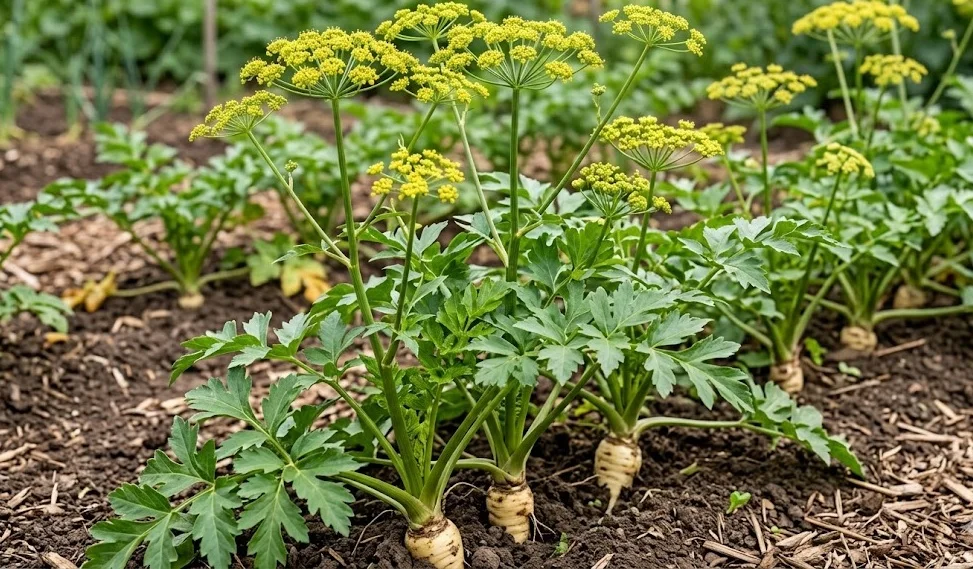
If you want to save your own seeds, you can leave a few of your best plants in the ground to bolt and produce their characteristic yellow, umbrella-like flowers. You will find that parsnips are excellent at attracting beneficial insects when they are in bloom, making them a great addition to a professional seed-saving garden. However, be aware that parsnips can cross-pollinate with wild parsnip or other nearby varieties, so proper isolation is necessary to maintain genetic purity. Saving seeds is a rewarding and professional way to close the loop on your agricultural magazine’s parsnip cultivation project.
Once the spring harvest is complete, the soil can be prepared for the next crop in your garden rotation plan throughout the year. You should remove any remaining root fragments or debris to prevent the carryover of pests or diseases into the new planting season. The overwintering process is a testament to the resilience of the parsnip and provides a valuable lesson in the relationship between environment and flavor. By mastering the art of overwintering, you can provide a unique and highly prized product that represents the peak of professional vegetable gardening.