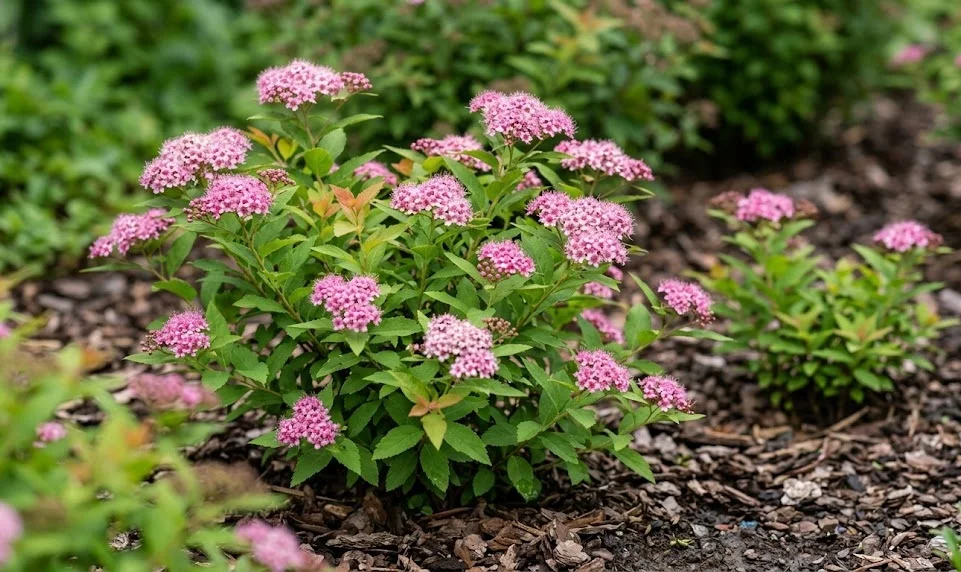

Maintaining the health of Japanese spirea involves a professional level of vigilance against the various biological threats that can affect these shrubs. While they are generally considered robust and low-maintenance, they are not entirely immune to the pressures of pests and diseases. Early identification of symptoms is the key to preventing a minor issue from becoming a significant problem for the entire landscape. By understanding the common enemies of this species, you can implement effective prevention and treatment strategies that preserve the beauty of your garden.
Identifying common fungal diseases
Powdery mildew is one of the most frequent fungal issues encountered by those who grow Japanese spirea in humid conditions. It appears as a white, flour-like coating on the surface of the leaves and can cause them to distort or drop prematurely. This fungus thrives when air circulation is poor and the foliage remains wet for extended periods during the night. Improving the spacing between plants and watering only at the base can significantly reduce the risk of an outbreak.
Leaf spot is another common disease that manifests as small, dark brown or black lesions on the foliage. As the infection progresses, these spots can merge, causing entire leaves to turn yellow and fall off the shrub. This condition is often spread by splashing water during rain or overhead irrigation, which moves spores from the soil to the leaves. Removing and destroying infected leaves as soon as they are spotted helps to break the life cycle of the fungus.
Root rot is a more serious condition that is usually caused by excessively wet soil and poor drainage. The first signs are often subtle, such as a general lack of vigor or a slight wilting that does not respond to watering. Underneath the soil, the roots become mushy and dark, losing their ability to transport nutrients and water to the rest of the plant. Preventing root rot is largely a matter of proper site selection and ensuring that the soil is well-aerated.
Fire blight, although less common on spirea than on other members of the rose family, can occasionally occur. This bacterial disease causes branches to appear blackened and shriveled, as if they have been scorched by fire. It often moves quickly through the vascular system of the plant and can be devastating if not addressed immediately. Pruning out infected branches several inches below the visible damage is necessary to stop the spread of the bacteria.
More articles on this topic
Managing insect pests and infestations
Aphids are small, soft-bodied insects that frequently target the succulent new growth of Japanese spirea in the spring. They feed by sucking the sap from the stems and leaves, which can lead to stunted growth and leaf curling. These pests also secrete a sticky substance called honeydew, which can attract ants and lead to the growth of sooty mold. A strong blast of water from a garden hose is often enough to dislodge light infestations without the need for chemicals.
Spider mites are microscopic pests that can become a problem during hot, dry weather conditions. You may notice fine webbing on the undersides of the leaves and a characteristic stippling or bronzing of the foliage. Because they reproduce so quickly, a small population can rapidly expand into a major infestation if the environment remains favorable. Increasing the humidity around the plant and using insecticidal soaps are effective ways to manage these persistent pests.
Scale insects can sometimes be found clinging to the woody stems of older spirea shrubs, looking like small bumps or scales. Like aphids, they feed on the internal fluids of the plant and can weaken it over time if their numbers are high. Because they are protected by a hard outer shell, they can be difficult to treat with standard contact insecticides. Applying horticultural oil during the dormant season is a professional method for smothering these insects and their eggs.
Japanese beetles are a more visible threat that can quickly skeletonize the leaves of the shrub during the summer months. These metallic green beetles feed on the tissue between the leaf veins, leaving behind a lacy and damaged appearance. Hand-picking the beetles and dropping them into a bucket of soapy water is an effective control method for home gardens. For larger outbreaks, specialized traps or professional-grade treatments may be required to protect the aesthetic value of the shrub.
More articles on this topic
Preventive measures and plant hygiene
The best way to manage pests and diseases is to prevent them from establishing a foothold in your garden in the first place. Selecting disease-resistant cultivars of Japanese spirea is a professional starting point for any new landscape project. Healthy plants that are grown in the correct light and soil conditions are much better equipped to defend themselves naturally. Avoiding stress by providing consistent water and nutrients is the most effective form of long-term pest control.
Practicing good garden hygiene is essential for reducing the amount of overwintering pathogens and pests in your yard. You should clear away fallen leaves and debris from around the base of the shrubs every autumn to eliminate hiding places. If you have dealt with a specific disease during the growing season, do not compost the infected material, as the spores may survive. Keeping the area clean reduces the likelihood of a re-infection when the temperatures rise in the spring.
Pruning plays a dual role in both aesthetics and the management of plant health within the landscape. By thinning out the center of the shrub, you allow more light and air to penetrate the dense canopy of leaves. This reduces the humidity levels that favor fungal growth and makes it easier for you to spot any pests that may be hiding. Always use clean, sharp tools and sterilize them between different plants to avoid spreading infections.
Regular inspections are the hallmark of a professional gardener and allow for the early detection of any anomalies. Take a few minutes each week to look closely at the foliage, stems, and the base of your Japanese spirea. Look for changes in leaf color, unusual spots, or the presence of insects on the undersides of the leaves. Catching a problem in its earliest stages makes the treatment much simpler and far more likely to be successful.
Integrated pest management strategies
Integrated Pest Management, or IPM, is a professional approach that combines various methods to control pests with minimal environmental impact. This strategy prioritizes physical and biological controls over the use of harsh chemical pesticides. For example, encouraging natural predators like ladybugs and lacewings can keep aphid populations under control without intervention. Creating a diverse garden environment supports these beneficial insects and helps to maintain a natural balance.
When chemical treatments are necessary, choosing the least toxic option that is effective for the specific pest is important. Horticultural oils and insecticidal soaps are excellent choices for many common spirea pests because they have low residual toxicity. These products work by physical contact and are much safer for bees and other pollinators when used according to the label. Always apply these treatments during the cooler parts of the day to avoid damaging the foliage.
Systemic treatments are sometimes used for persistent issues that cannot be managed through contact methods alone. These products are absorbed by the plant and provide long-lasting protection from the inside out against sucking insects. However, they should be used with caution and only as a last resort due to their potential impact on the wider ecosystem. A professional gardener evaluates the risks and benefits of each treatment before deciding on the best course of action.
Soil health is an often-overlooked component of pest and disease resistance in Japanese spirea. Plants growing in nutrient-rich, well-aerated soil have stronger cell walls and more robust chemical defenses against invaders. Using organic soil amendments and avoiding compaction supports the biological processes that keep the plant healthy. A holistic approach that considers the entire growing environment is always the most successful way to manage plant health.
Long-term health and resilience
The ultimate goal of any pest and disease management program is to build a resilient garden that can withstand environmental pressures. While individual shrubs may occasionally struggle, a healthy landscape as a whole will continue to thrive. Over time, you will learn which pests are most common in your local area and how to anticipate their arrival. This knowledge allows you to be proactive rather than reactive, which is the key to maintaining a professional appearance.
Don’t be discouraged if you encounter a problem; even the most expert gardeners deal with pests and diseases from time to time. Use each occurrence as an opportunity to learn more about the biology of your plants and the environment they live in. Adjusting your care routine based on these experiences will make you a more effective and successful gardener in the future. Resilience is a quality that is developed through consistent effort and a commitment to understanding the natural world.
Sharing information with other local gardeners can also be a valuable way to stay ahead of emerging threats in your region. Many pests and diseases move through communities, and knowing what your neighbors are seeing can give you a head start on prevention. Local agricultural extensions and gardening clubs are excellent resources for up-to-date information on plant health issues. Collaboration and communication are powerful tools for anyone looking to maintain a beautiful and healthy landscape.
Finally, remember that the goal is not to have a completely sterile, bug-free garden, but a balanced and thriving one. A few insects are a natural part of a healthy ecosystem and do not necessarily mean the plant is in danger. Focus on the overall health and vigor of your Japanese spirea, and address problems only when they threaten the survival or beauty of the shrub. With professional care and attention, your spirea will continue to be a highlight of your garden for many seasons.