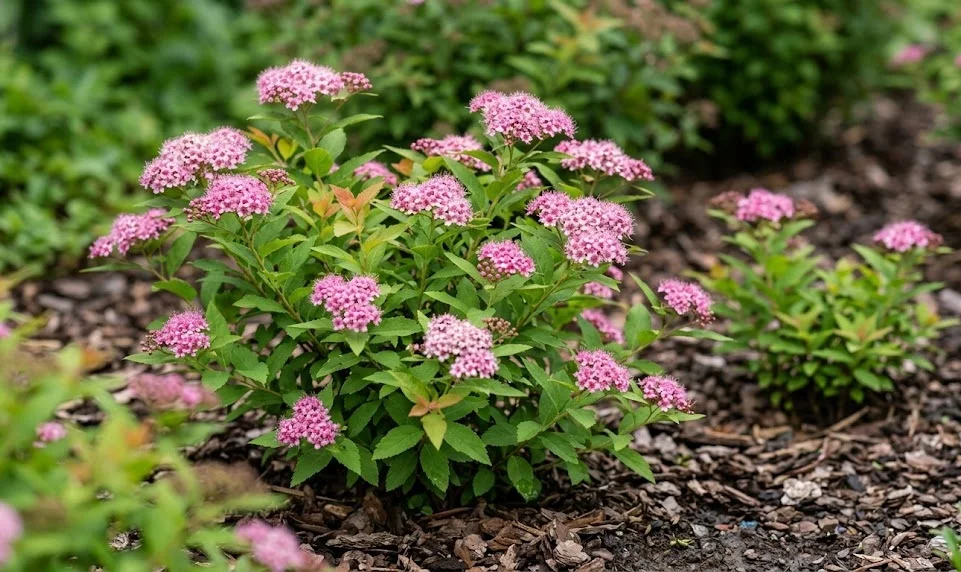

Maintaining the health and vibrancy of Japanese spirea requires a consistent approach to seasonal management and soil quality. This deciduous shrub is highly valued for its dense foliage and prolific summer blooms, which can only reach their full potential with proper attention. Gardeners must understand the fundamental needs of the plant to ensure it remains a focal point in the landscape throughout the growing season. By establishing a routine that addresses both the physical structure and the biological requirements of the shrub, you can achieve a professional-grade display.
Essential environmental conditions
The success of your gardening efforts begins with selecting the most appropriate location within the landscape for these shrubs. These plants thrive in environments where they can receive ample sunlight while being protected from extreme mechanical stress. Soil drainage is perhaps the most critical factor to consider when evaluating a potential site for long-term growth. Heavy clay soils that retain too much moisture can lead to root issues, while excessively sandy soils may dry out too quickly for the roots to absorb nutrients.
Creating a microclimate that supports steady growth involves monitoring the surrounding vegetation and airflow patterns. Proper air circulation is necessary to prevent the accumulation of humidity around the dense inner branches of the foliage. When shrubs are crowded by larger trees or structures, they may struggle to develop a uniform shape or maintain healthy leaves. You should ensure that the chosen spot allows for the natural expansion of the shrub over several years without immediate competition.
Soil pH levels significantly influence the ability of the plant to process essential minerals from the earth. Most varieties prefer a slightly acidic to neutral soil profile to maintain their characteristic leaf coloration and bloom density. If your garden soil is heavily alkaline, you might notice a yellowing of the leaves, which indicates a nutrient deficiency. Testing the soil before the growing season starts allows you to make necessary adjustments with organic matter or specific soil conditioners.
Mulching is a highly effective technique for regulating the soil environment around the base of the Japanese spirea. A thick layer of organic mulch helps to suppress weed growth while maintaining a consistent temperature for the root system. As the mulch decomposes over time, it enriches the soil structure and provides a slow-release source of organic nutrients. This practice also prevents the soil from crusting over, which can interfere with water penetration during the hot summer months.
More articles on this topic
Monitoring seasonal growth patterns
Understanding the natural cycle of the shrub allows for better timing of maintenance tasks and interventions. In early spring, the first signs of leaf buds indicate that the plant is emerging from its winter dormancy. This period is the ideal time to inspect the overall structure and prepare for the upcoming flowering season. Observing the rate of new growth provides valuable insights into the overall health and vigor of the individual specimen.
During the peak of the summer, the shrub focuses its energy on producing the clusters of flowers that make it so popular. You will notice that the intensity of the blooms is directly related to the amount of light and water received in the preceding weeks. It is important to monitor the shrub for any signs of heat stress, such as wilting or premature leaf drop, during extended dry periods. Consistent observation ensures that you can adjust your care routine before any permanent damage occurs to the plant.
As autumn approaches, the foliage often takes on a different hue, signaling the transition toward the dormant phase. The growth rate slows down significantly, and the plant begins to store energy in its root system for the winter. This is a natural process that should not be mistaken for lack of health or a need for heavy fertilization. Reducing the intensity of care during this time prepares the shrub for the colder months ahead in a healthy manner.
Winter care involves protecting the structural integrity of the branches from heavy snow or ice loads. While the plant is dormant, it requires very little intervention, but keeping the area clear of debris is still beneficial. You should avoid any heavy pruning or fertilization during this time, as the plant cannot process these changes. Preparing the shrub for dormancy ensures a strong start when the temperatures begin to rise again in the spring.
More articles on this topic
Enhancing aesthetic appeal
The visual impact of the Japanese spirea is often defined by its compact shape and the density of its floral clusters. Achieving this professional look requires a combination of strategic thinning and the removal of spent flowers. Deadheading, or the removal of old blooms, encourages the plant to produce a second flush of flowers later in the season. This simple task keeps the shrub looking tidy and prevents the energy-consuming production of seeds.
Focusing on the internal structure of the shrub can improve its overall appearance from all viewing angles. By removing older, woodier stems, you allow younger and more flexible branches to take center stage. This rejuvenation process ensures that the foliage remains bright and the flowers are distributed evenly across the canopy. A well-maintained shrub will appear lush and full, rather than leggy or sparse at the base.
Color consistency in the foliage is another indicator of a well-cared-for Japanese spirea specimen. Different cultivars offer a range of leaf colors from bright gold to deep green or even reddish tones. Maintaining the correct light levels and nutrient balance ensures that these colors remain vibrant throughout the season. When the plant is healthy, the contrast between the leaves and the pink or white flowers creates a striking visual effect.
The surrounding landscape also plays a role in how the spirea is perceived as part of the garden design. Using these shrubs as a low hedge or a border plant requires consistent height management to maintain a clean line. If they are used as specimen plants, they should be given enough space to showcase their natural mounded form. Professional gardeners often pair them with plants that have contrasting textures to highlight the delicate nature of the spirea foliage.
Soil management and health
The foundation of a healthy spirea lies in the quality and composition of the soil in which it is planted. Over time, even the best soil can become depleted of the nutrients required for vigorous flowering and leaf production. Incorporating composted organic matter into the top layer of the soil once a year can significantly improve its fertility. This practice also helps to improve the soil’s moisture-holding capacity, which is vital during the summer.
Managing soil compaction is essential for allowing the roots to expand and breathe effectively. In areas with high foot traffic or heavy rainfall, the soil can become densely packed, limiting oxygen availability. Gently aerating the soil around the drip line of the shrub can alleviate this pressure and promote better root health. Healthy roots are more efficient at absorbing water and minerals, which translates to a more resilient plant overall.
Nutrient availability is often tied to the activity of beneficial microorganisms within the soil ecosystem. Avoiding excessive use of harsh chemicals helps to preserve these organisms, which break down organic matter for the plant. You can support this biological process by using natural fertilizers that work in harmony with the soil’s existing life. A biologically active soil is more stable and provides a better long-term environment for the shrub.
Periodic soil testing provides a scientific basis for your fertilization and soil amendment strategies. These tests reveal the exact levels of nitrogen, phosphorus, and potassium, as well as the presence of micronutrients. Knowing these values prevents the over-application of fertilizers, which can lead to excessive foliage growth at the expense of flowers. A balanced approach to soil health ensures that the spirea remains healthy without being forced into unnatural growth patterns.
Integrating spirea into garden designs
Japanese spirea is a versatile plant that can fulfill many roles in a professional landscape design. Its mounded habit makes it an excellent choice for creating soft transitions between different areas of the garden. You can use it to frame larger features or to provide a consistent backdrop for smaller perennial flowers. Its adaptability to different soil types and conditions further increases its value for diverse garden projects.
When used as a groundcover, the dense foliage of the spirea effectively suppresses weeds and covers large areas with color. Planting several shrubs together in a mass planting creates a dramatic effect when they all come into bloom at once. This technique is often used in public parks or large residential estates to create a low-maintenance but high-impact visual. Proper spacing is essential in mass plantings to ensure each shrub has enough room to thrive.
The shrub also performs exceptionally well in mixed borders where it provides structure and color throughout the year. Because it is deciduous, its bare winter stems can offer a different kind of architectural interest when paired with evergreens. In the spring and summer, the changing leaf colors and flowers provide a dynamic element that evolves with the seasons. It serves as a reliable anchor that ties together more fleeting or delicate garden plants.
Container gardening with Japanese spirea is becoming increasingly popular for patios and smaller outdoor spaces. Smaller cultivars are particularly well-suited for large pots, provided they receive regular water and nutrients. This allows gardeners with limited space to enjoy the beauty of the spirea flowers and foliage up close. Proper drainage in the containers is paramount to prevent the roots from sitting in water for extended periods.
Longevity and shrub rejuvenation
A well-maintained Japanese spirea can remain a productive part of the garden for many years with the right care. However, as the shrub ages, it may become overly woody and produce fewer flowers than it did in its youth. Rejuvenation pruning, which involves cutting the plant back significantly, can stimulate the growth of fresh, vigorous stems. This process essentially resets the clock for the shrub, allowing it to regain its former glory.
Regularly removing dead or diseased wood is part of the ongoing maintenance that prevents long-term decline. These sections of the plant can become entry points for pests or fungal infections if left unaddressed. By keeping the canopy clean and open, you ensure that sunlight can reach the inner parts of the shrub. This promotes a more uniform growth pattern and keeps the entire plant looking youthful and healthy.
The health of the root system is the ultimate factor in determining the lifespan of the Japanese spirea. Avoiding physical damage to the roots during nearby construction or heavy digging is essential for long-term survival. If the plant begins to show signs of decline despite proper care, it may be due to root-bound conditions or soil exhaustion. In such cases, carefully lifting and replanting the shrub with fresh soil can often save the specimen.
Documenting the performance of your shrubs over time helps you to identify trends and potential issues. Keeping track of when they bloom and how they respond to different weather conditions provides valuable data for future care. This professional approach allows you to anticipate the needs of the plant rather than simply reacting to problems. A proactive strategy is always the best way to ensure the longevity of any landscape feature.
Advanced care techniques
For those looking to achieve the absolute best results, specialized techniques can be employed to enhance growth. Foliar feeding, which involves spraying a diluted nutrient solution directly onto the leaves, can provide a quick boost during the growing season. This method is particularly useful if the plant is recovering from stress or if the soil pH is temporarily imbalanced. However, this should supplement rather than replace a solid soil-based fertilization program.
Controlling the growth rate through precision pruning allows for more creative shaping of the Japanese spirea. Some gardeners prefer a more formal look and will lightly shear the shrubs into specific geometric forms. While this requires more frequent attention, it can create a very sophisticated and polished appearance in the garden. You must be careful not to shear so often that you remove all the developing flower buds.
Utilizing specialized mulches, such as pine bark or cocoa shells, can add both aesthetic and functional benefits. These materials break down at different rates and can subtly influence the soil chemistry over several years. Choosing a mulch that complements the color of the spirea leaves can create a very cohesive and professional look. It also provides a clean surface that prevents soil from splashing onto the low-hanging foliage during rain.
Finally, understanding the specific needs of different cultivars is the hallmark of an expert gardener. While general care rules apply to most Japanese spirea, some varieties may have unique preferences for moisture or light. Researching the specific history and requirements of your chosen variety will yield the most successful results. This level of detail ensures that your garden remains a thriving and beautiful space for years to come.