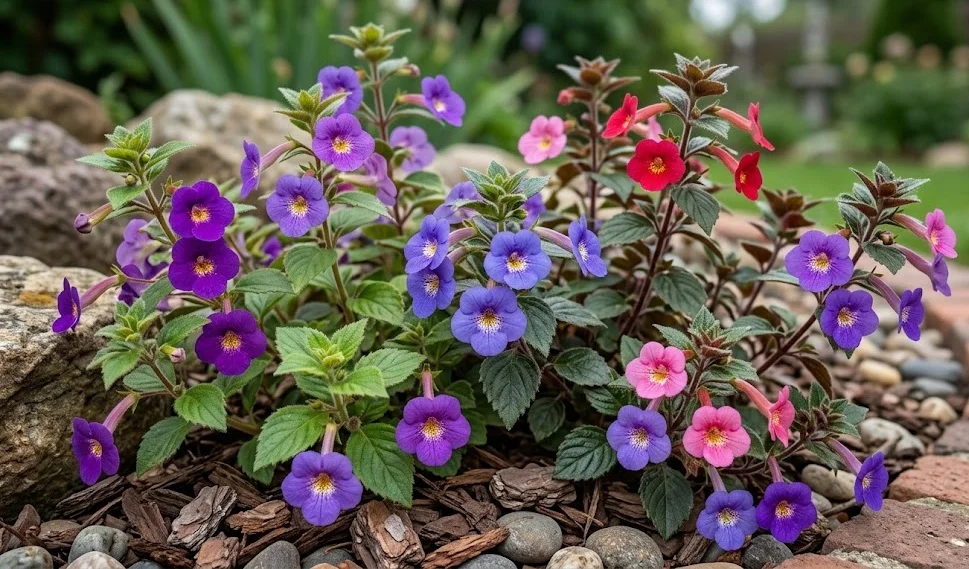

As the natural light levels begin to wane in the autumn, these tropical plants prepare for their essential resting phase. You will notice a gradual cessation of flowering and a general loss of vigor in the stems and leaves. This is a perfectly normal biological process and should not be mistaken for poor health or a lack of care. Understanding this transition is the first step toward successfully preserving your collection for the next year.
The most visible indicator of dormancy is the yellowing and eventual browning of the foliage from the base upward. At this stage, the plant is withdrawing its nutrients and moisture into the underground rhizomes for safekeeping. You should resist the urge to cut back the green parts of the plant prematurely during this time. Allowing the stems to wither naturally ensures that the maximum amount of energy is stored for the spring.
During this transitional period, you must begin to scale back your watering and feeding routines significantly. The goal is to allow the soil to dry out almost completely over the course of several weeks. This mimicking of the tropical dry season signals to the plant that it is time to shut down its metabolic processes. Overwatering at this critical juncture is the primary cause of rhizome rot and winter loss.
Once the foliage has completely dried and turned brittle, it can be easily snapped off or cut at the soil surface. At this point, the plant consists only of the dormant rhizomes hidden beneath the surface of the medium. Some growers choose to leave them in their original pots, while others prefer to harvest and store them separately. Both methods are effective as long as the environmental conditions are managed professionally.
Storage conditions for dormant rhizomes
The ideal environment for storing these rhizomes is one that is cool, dry, and dark for the duration of the winter. Temperatures should ideally be maintained between ten and fifteen degrees Celsius to keep the rhizomes in deep sleep. If the area is too warm, the rhizomes may sprout prematurely and exhaust their energy before the spring light is sufficient. Conversely, freezing temperatures will cause the delicate tissues to expand and burst, killing the plant.
More articles on this topic
If you choose to leave the rhizomes in their pots, simply move the entire container to a basement or a cool cupboard. Ensure that the soil is bone-dry before putting them away to prevent any fungal growth during the months of darkness. You do not need to provide any light during this period, as the plant has no active foliage to support. This space-saving method is very popular among home gardeners with limited storage options.
For those with large collections, harvesting the rhizomes and storing them in bags of dry peat moss or vermiculite is often more practical. Carefully sift through the dry soil to find the small, scaly structures and place them in labeled containers. This allows you to inspect each rhizome for health and discard any that feel soft or show signs of disease. Keeping different varieties clearly marked is essential for organizing your spring planting plan.
Humidity during storage should be kept at a moderate level—neither too damp nor so dry that the rhizomes shrivel. In very dry homes, a tiny amount of moisture might be added to the storage medium once during mid-winter. However, the vast majority of rhizomes will survive perfectly well without any intervention until it is time to wake them up. This period of quiet rest is the secret to the longevity and health of these fascinating tropical species.
Monitoring and protecting the winter stock
Even though the plants are dormant, a monthly inspection of your stored rhizomes is a professional habit that prevents surprises. Check for any signs of mold or a “musty” smell, which could indicate that the storage environment is too damp. If you find a compromised rhizome, remove it immediately to prevent the issue from spreading to the rest of the batch. Vigilance during the winter ensures a high survival rate for your most precious varieties.
More articles on this topic
Insects like mealybugs can sometimes survive the winter on the dormant rhizomes if the storage area is not completely clean. If you notice any white, cottony spots, treat the affected rhizomes with a light application of rubbing alcohol. It is much easier to manage these pests while the plant is dormant than during the height of the summer growth. A clean start in the spring is the best way to ensure a pest-free blooming season.
Sudden temperature spikes in late winter can sometimes “trick” the rhizomes into thinking that spring has arrived early. If you see tiny sprouts appearing before you are ready to plant, try to move the rhizomes to an even cooler location. You want to delay the start of growth until the natural light levels are high enough to support strong, healthy stems. Managing the timing of the awakening process is a key skill for any expert grower.
Rodents can occasionally be a problem if you store your rhizomes in an accessible area like a garage or an unheated shed. Mice and voles may find the starchy rhizomes to be an attractive food source during the cold months. Using plastic bins with tight-fitting lids can provide an extra layer of physical protection for your investment. Keeping your collection safe from all threats is part of the professional overwintering strategy.
Breaking dormancy and the spring awakening
The process of bringing the plants back to life usually begins in late February or March as the days become noticeably longer. Start by bringing the pots or stored rhizomes into a warm, bright room with a temperature of around twenty degrees Celsius. This change in environment acts as a wake-up call for the internal biological clock of the plant. At this stage, do not water the soil until you are ready to commit to the full growing schedule.
If you stored the rhizomes in bags, this is the perfect time to sort them and prepare for planting in fresh soil. Select the largest and most vigorous-looking specimens for your primary displays and use the smaller ones for propagation. Using fresh, high-quality potting medium ensures that the young sprouts have all the nutrients they need for a fast start. This annual “reset” is one of the most rewarding aspects of growing these seasonal plants.
Initial watering should be very light and done with lukewarm water to gently stimulate the root zone. Avoid soaking the soil completely until you see the first green shoots breaking through the surface of the medium. The plant’s water needs are very low until it has developed its first few sets of leaves to facilitate transpiration. Patience during the first few weeks of spring is vital for preventing early-season rot.
Once the stems are about five centimeters tall, you can move the plants to their permanent summer locations. Gradually increase the light exposure and begin a regular, weak fertilization program to support the rapid development. The transition from a dormant rhizome to a flourishing plant is a miracle of nature that never fails to impress. With the winter behind you, you can look forward to another spectacular season of color and beauty.