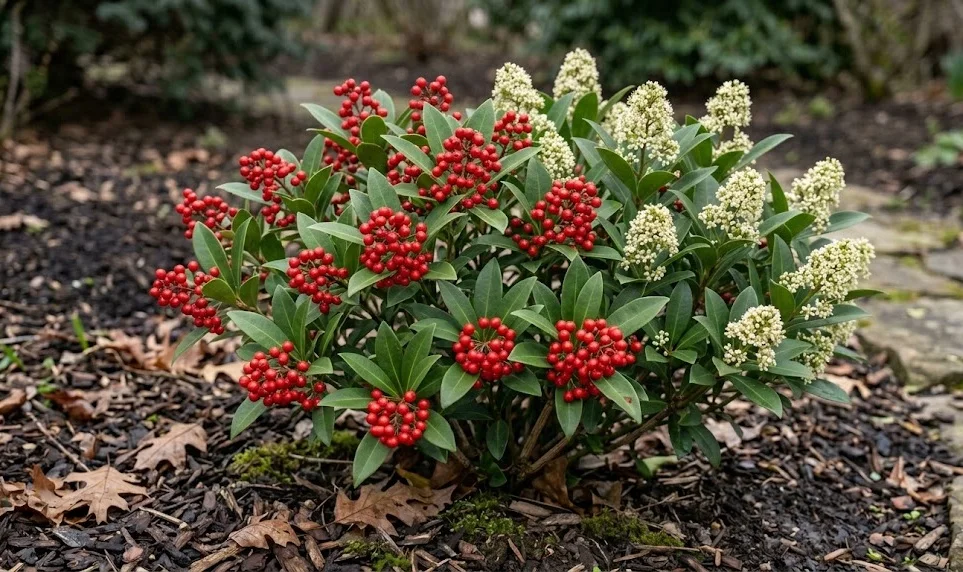

Understanding the specific light preferences of Japanese skimmia is fundamental to maintaining its vibrant health and aesthetic appeal. As a species that naturally evolved in the understory of East Asian mountain forests, it is biologically programmed to thrive in low-light environments. Placing this shrub in the correct lighting conditions is the most effective way to prevent leaf damage and ensure a prolific display of flowers and berries. Professional landscape design often utilizes this plant to brighten up the darker corners of a garden where few other ornamental species can survive.
The ideal light condition for most varieties is partial to full shade, where the plant is protected from the intensity of the midday sun. Dappled sunlight, such as that filtered through the canopy of larger deciduous trees, is perhaps the most perfect environment you can provide. In this setting, the shrub receives enough energy for photosynthesis without the risk of the leathery leaves becoming scorched or bleached. If you observe the plant in its natural habitat, you will notice it always occupies the cooler, more sheltered areas of the forest floor.
Direct, prolonged exposure to afternoon sunlight is the greatest environmental threat to the visual quality of the foliage. The intense UV rays can quickly cause the dark green leaves to turn a pale, sickly yellow or even develop brown, crispy patches of dead tissue. This physiological stress not only looks unattractive but also weakens the plant’s immune system, making it more susceptible to pests and diseases. If your only available planting spot is sunny, you must provide some form of artificial shade or choose a different species entirely.
Interestingly, while the plant loves shade, a complete lack of light can also lead to problems over a long period. In extremely dark corners, the shrub may become “leggy,” meaning the stems stretch out as they search for a light source, resulting in a thin and unattractive habit. Furthermore, a total lack of light can reduce the number of flower buds produced, which in turn limits the winter berry display. Finding the balance between deep shade and just enough light to support flowering is the key to a professional-looking specimen.
Identifying and managing sun-related stress
If you suspect your skimmia is receiving too much light, there are several clear visual indicators to look for throughout the growing season. The most common sign is a general fading of the leaf color from a deep, glossy green to a dull, yellowish-green hue. You might also notice that the leaves on the side of the plant facing the sun are more affected than those in the shade. In severe cases, the center of the leaves will develop white or light brown bleached spots where the chlorophyll has been destroyed by the sun.
More articles on this topic
To manage sun-related stress, the most effective solution is to move the plant to a more suitable location within your garden. Because skimmia is relatively slow-growing and has a compact root system, it can be transplanted quite successfully if done during the dormant season. Choose a spot on the north or east side of a building where it will be shielded from the harshest rays of the afternoon sun. Within a single growing season in the shade, the new leaves should emerge with their characteristic deep green color.
If moving the plant is not a practical option, you can create a more hospitable environment by planting taller species nearby to provide shade. Large ferns, hostas, or even other shade-tolerant shrubs can be used to create a tiered planting scheme that protects the skimmia. You can also use structural elements like trellises or garden screens to block the direct light during the hottest parts of the day. This integrated approach allows you to keep the plant in its original position while mitigating the negative effects of the sun.
Maintaining high humidity and consistent soil moisture can also help the plant tolerate slightly brighter conditions than it would otherwise prefer. When a plant is well-hydrated, it can transpire more effectively, which helps keep the internal temperature of the leaves lower. However, this is only a partial solution and will not prevent the long-term bleaching caused by excessive UV exposure. Ultimately, respecting the plant’s inherent need for shade is the best way to ensure its long-term health and vigor.
Optimizing light for indoor and container growth
When growing Japanese skimmia in containers or as a temporary indoor decoration, the light requirements remain just as specific. For potted plants on a patio or balcony, you must be careful to avoid placing them against a white wall that reflects intense sunlight. This reflected light can be just as damaging as direct sun, as it increases the ambient temperature around the plant. A shaded corner of a balcony or a spot under an awning is far more appropriate for these woodland-dwelling shrubs.
More articles on this topic
If you bring a skimmia indoors to enjoy its fragrant flowers or winter berries, place it in a cool room with bright but indirect light. A north-facing window is usually the best choice, as it provides consistent illumination without the heat of direct sun. You should avoid placing the plant near radiators or other heat sources, as the dry air and warmth can be just as damaging as too much light. Most professionals recommend keeping indoor stays relatively short, as the plant eventually needs the natural cycles of the outdoors to thrive.
The orientation of your garden plays a massive role in how you should position your containers to meet the light requirements. In a north-facing garden, you have much more flexibility, as most areas will naturally provide the cool shade the plant loves. In a south-facing garden, you must be much more strategic, utilizing every bit of shade provided by walls, fences, or larger plants. Understanding the path of the sun through your property at different times of the year will help you find the perfect permanent home for your pots.
Lastly, remember that the light requirements can vary slightly between different cultivars of Japanese skimmia. Some varieties with variegated leaves may actually need a tiny bit more light to maintain their color patterns compared to the solid green types. However, the general rule of avoiding direct afternoon sun applies to all members of the species without exception. By paying close attention to the specific needs of your variety and the lighting conditions of your site, you can enjoy a healthy, thriving shrub for many years.