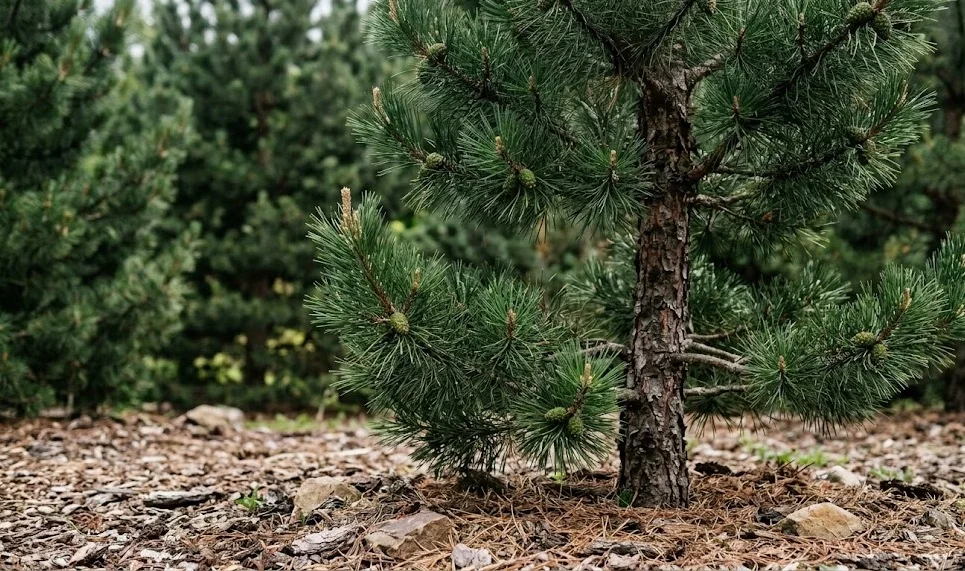

Mastering the art of pruning a black pine is essential for maintaining its structural integrity, health, and aesthetic appeal over many decades. You must approach this task with a clear plan and a professional understanding of how the tree responds to every cut you make. Unlike many deciduous trees, pines have a specific growth habit that requires a more precise and careful touch to achieve the best results. By learning the correct techniques, you can guide the development of your tree and ensure it remains a safe and beautiful feature of your landscape.
The primary reasons for pruning a black pine include removing dead or diseased wood, improving air circulation, and controlling the overall size or shape of the canopy. You should always view pruning as a form of “surgical intervention” that should only be done when there is a clear and professional justification for it. Over-pruning can stress the tree and lead to a decline in vigor, while neglected trees can become hazardous or lose their attractive form. A professional gardener finds the perfect balance between intervention and allowing the tree to follow its natural growth pattern.
Timing is one of the most critical factors when it comes to pruning any evergreen species, and the black pine is no exception. You should generally perform major structural pruning during the dormant season, while lighter maintenance and “candling” are best done in the late spring. Understanding the tree’s growth cycle allows you to work with its natural energy flows rather than against them, ensuring faster healing and less stress. This professional discipline is what separates an expert arborist from a casual gardener with a pair of shears.
Safety should always be your top priority when working with large trees and sharp tools in any garden or agricultural setting. You must ensure that your equipment is sharp, clean, and in good working order before you begin any pruning task. If a job requires working high in the canopy or using a chainsaw, it is often best to consult with a certified professional who has the right training and safety gear. By approaching pruning with a focus on quality, timing, and safety, you ensure a long and prosperous life for your black pines.
Structural pruning for young trees
The most important pruning you will ever do takes place during the first ten years of the tree’s life to establish a strong and healthy structure. You should focus on identifying and maintaining a single, dominant central leader that will become the main trunk of the mature tree. If you notice a second “competing” leader developing, you must remove or shorten it to prevent the tree from splitting later in life. Professional growers prioritize this structural foundation to ensure the tree can withstand heavy winds and snow loads in the future.
More articles on this topic
Managing the spacing and orientation of the main scaffold branches is another vital task for the early development of your black pine. You should look for branches that are well-spaced along the trunk and have wide “crotch angles” for maximum strength and durability. Any branches that are growing too close together or crossing each other should be thinned out to prevent rubbing and future structural issues. This early intervention creates a well-balanced and aesthetically pleasing canopy that requires much less work as the tree ages.
You should also be careful not to remove too much of the lower foliage too quickly, as these branches help to build the strength and taper of the trunk. A professional rule of thumb is to maintain at least two-thirds of the tree’s total height in living branches during the establishment phase. Removing the lower limbs too early can result in a “top-heavy” tree that is much more prone to snapping or blowing over in a storm. Patience is key when you are building the long-term skeleton of a majestic and long-lived evergreen.
Finally, always make your cuts just outside the “branch collar,” which is the slightly swollen area where the branch meets the trunk. You should never make a “flush cut” that removes this collar, as it contains the specialized cells needed for the tree to heal the wound properly. A clean, professional cut will callus over quickly, protecting the interior of the tree from pests and diseases. Taking the time to master these basic techniques will pay huge dividends in the health and appearance of your young black pines.
Techniques for maintenance and thinning
As your black pine matures, the focus of your pruning will shift toward maintaining its health and managing the density of the inner canopy. You should regularly inspect the tree for any dead, damaged, or diseased branches and remove them as soon as they are identified. This “deadwooding” is a simple but effective way to improve the tree’s appearance and reduce the risk of falling debris. Professionalism in maintenance involves a constant and keen eye for these minor issues before they become major problems for the tree.
More articles on this topic
Thinning out the inner branches can significantly improve air circulation and light penetration throughout the entire canopy of a mature tree. You should remove some of the smaller, weaker interior shoots to allow the air to move freely and reduce the humidity that encourages fungal growth. This technique, often called “crown thinning,” should be done carefully to avoid leaving the tree looking bare or unnatural. A professional touch ensures that the tree remains dense and attractive while still enjoying the benefits of better environmental conditions.
“Candling” is a specific technique for controlling the size and density of the tree by pruning back the new growth shoots in the spring. You should wait until the new “candles” have fully extended but before the needles have begun to unfurl and harden off for the year. By snapping off half or two-thirds of these candles with your fingers, you encourage the tree to produce more compact and dense growth. This method is highly favored by professional landscapers who want to maintain a specific size for their pines in smaller gardens.
Never remove more than twenty-five percent of the living canopy in a single year, as this can severely shock the tree and lead to a decline in health. You should spread major thinning or size reduction tasks over several years to allow the tree time to adapt and recover between interventions. A professional approach is always conservative and patient, respecting the tree’s need for a stable and consistent energy supply. Your goal is to guide the tree toward its best possible form without compromising its fundamental biological needs.
Timing and safety during pruning
Timing your pruning activities correctly ensures that the tree can heal as quickly as possible and reduces the risk of attracting pests. You should perform major structural work in late winter or early spring before the sap begins to flow heavily and the buds begin to swell. This minimizes the loss of energy and allows the tree to start the healing process as soon as it enters its active growth phase. Professional arborists always check the local climate and the tree’s specific condition before picking up their tools for the day.
Avoid pruning during the hottest part of the summer or the coldest part of the winter, as the tree is already under environmental stress during these times. Pruning in late summer can also stimulate new growth that will not have time to harden off before the first frost arrives. Consistency in your timing across several years will help you develop a “rhythm” of care that the tree can easily adapt to. A professional and disciplined schedule is the hallmark of a high-quality maintenance plan for any evergreen species.
Safety is paramount, so always wear the appropriate protective gear, including gloves, eye protection, and sturdy footwear, whenever you are pruning. You should be aware of your surroundings and make sure there are no people, pets, or power lines in the area where branches might fall. If a task requires you to leave the ground, make sure your ladder is stable and that you have a second person available to assist you if needed. Taking these precautions is a non-negotiable part of professional gardening and demonstrates a serious and expert approach to the work.
Finally, always clean and sterilize your tools between trees and after every pruning session to prevent the spread of diseases across your landscape. You can use a simple solution of rubbing alcohol or a specialized garden disinfectant to keep your blades clean and ready for the next task. A professional gardener takes pride in their tools and understands that hygiene is just as important as the technique itself. By following these safety and timing guidelines, you ensure that your pruning activities are a positive and healthy experience for both you and your black pines.