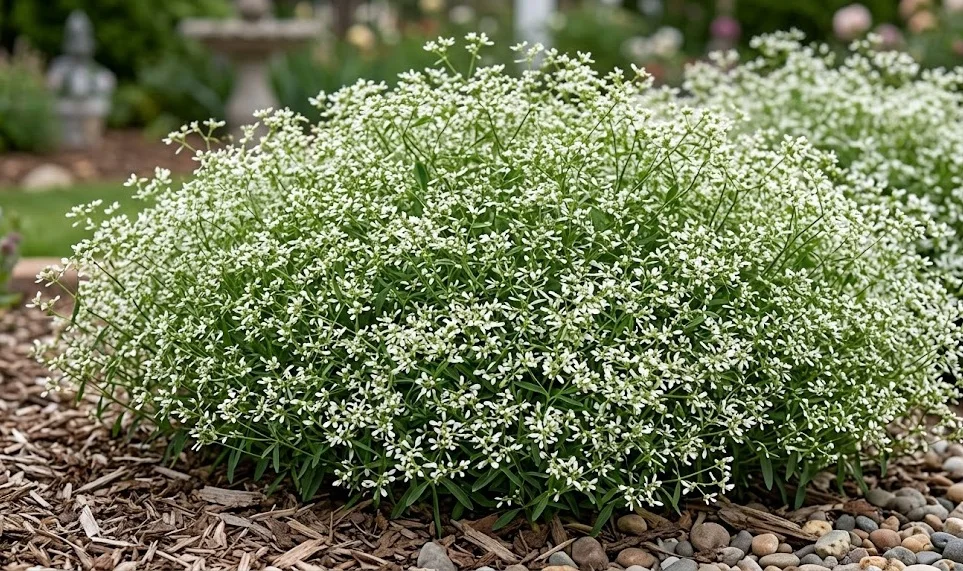

Successfully overwintering garden spurge is crucial for ensuring that this beautiful perennial returns with vigor every spring. While many varieties are quite hardy, the combination of freezing temperatures and wet soil can be a significant challenge for their survival. Proper preparation in the autumn and careful management during the dormant months are the keys to protecting the root system from damage. By taking a few proactive steps, you can help your garden spurge navigate the coldest part of the year without any lasting harm.
Autumn preparation and hardening off
The process of preparing your garden spurge for winter begins well before the first frost actually arrives in your area. You should gradually reduce the amount of water you provide as the days get shorter and the temperatures begin to drop. This encourages the plant to slow down its growth and start the process of hardening its cellular structures for the cold. Avoiding any late-season fertilization is essential, as new, tender growth is the most likely to be killed by a sudden freeze.
Cleaning up the area around the base of the plant is another important step in the autumn preparation phase. You should remove any fallen leaves or dead organic matter that could trap moisture against the stems during the winter months. This reduces the risk of fungal infections and crown rot, which are common problems in cold, damp conditions. A tidy garden bed is not just for aesthetics; it is a functional part of a healthy plant’s winter defense strategy.
If you are growing your garden spurge in a container, you might consider moving it to a more sheltered location near a wall. The warmth radiating from a building can often provide just enough of a temperature buffer to prevent the pot from freezing solid. You should also ensure that the container is lifted off the cold ground using pot feet to improve drainage and air circulation. Small adjustments like these can make a big difference for plants that are more exposed to the elements.
Inspecting the plant one last time for pests or diseases before winter sets in is a very wise practice. You don’t want the plant to be struggling with an infestation while it is also trying to survive the stresses of the cold. If you find any issues, treat them promptly so the plant can enter its dormant phase in the best possible health. A strong, pest-free plant has a much higher chance of emerging successfully once the spring sun returns.
More articles on this topic
Mulching and root protection
Mulching is one of the most effective ways to insulate the root system of your garden spurge against extreme temperature swings. You should apply a layer of organic material, such as wood chips or straw, around the base of the plant in late autumn. This layer acts like a blanket, keeping the soil temperature more stable and preventing the “heaving” caused by repeated freezing and thawing. Be careful to keep the mulch a few inches away from the actual stems to prevent rot.
The choice of mulch can also impact the health of the soil and the moisture levels around the plant throughout the winter. Coarse materials are often better than fine ones because they allow for better air exchange and don’t become a sodden mat. You might find that a layer of evergreen branches provides excellent protection while also adding a bit of winter interest to the garden. The goal is to provide protection without creating a stagnant, overly wet environment for the roots.
In very cold climates, you might need to provide extra insulation by creating a temporary enclosure or using specialized frost blankets. You should only use breathable materials for this purpose, as plastic can trap moisture and cause the plant to overheat on sunny winter days. These covers should be secured firmly to prevent them from blowing away during winter storms or heavy winds. Providing this extra layer of security can be the difference between survival and loss for more sensitive varieties.
Monitoring the mulch layer throughout the winter is a good habit to develop as part of your regular garden maintenance. High winds or heavy rain can sometimes displace the protective material, leaving the crown of the plant exposed to the cold. You should simply rearrange or add more mulch as needed to keep the insulation consistent and effective. A little bit of attention during the dormant months ensures that your hard work in the autumn doesn’t go to waste.
More articles on this topic
Watering during the dormant phase
It is a common misconception that plants do not need any water at all during the winter months of the year. While the garden spurge is dormant and its water needs are very low, the roots should never be allowed to dry out completely. If you live in an area with very dry winters and little snowfall, you might need to provide a light watering on warmer days. This helps keep the root tissues hydrated and prevents the plant from succumbing to “winter drought.”
When you do water in the winter, it is essential to time it carefully to avoid creating ice around the root zone. You should only water when the air temperature is well above freezing and the soil is not already frozen solid. Late morning is the best time, as it allows the moisture to settle into the ground before the temperatures drop again at night. Avoid getting any water on the foliage, as cold, wet leaves are highly susceptible to damage and rot.
Container plants are particularly vulnerable to drying out in the winter because their soil volume is so much smaller. You should check the moisture level of your pots every few weeks, even if the plant looks completely inactive above ground. If the soil feels bone-dry several inches down, a small amount of water will be very beneficial for the plant’s survival. Remember that the goal is to keep the roots alive, not to encourage any new growth during the cold.
If your garden receives regular snow, this can actually serve as a natural and very effective form of winter irrigation and insulation. Snow melts slowly, providing a gentle and consistent source of moisture to the soil as it seeps down through the mulch. You should generally avoid shoveling heavy, packed snow onto your garden spurge, as the weight can break the brittle winter stems. Letting nature take its course is often the best strategy when it comes to winter moisture management.
Transitioning back to spring growth
As the temperatures begin to rise and the days get longer, your garden spurge will start to show the first signs of waking up. You should resist the urge to remove the protective mulch and covers too early in the spring season. Late frosts are very common and can easily damage the tender new growth that emerges during a brief warm spell. Gradually thinning the mulch layer over a few weeks allows the soil to warm up slowly and naturally.
Once the danger of a hard freeze has passed, you can perform a light cleanup of any stems that didn’t make it through the winter. You should use sharp, clean shears to remove any blackened or mushy tissue, cutting back to healthy green wood. This not only improves the appearance of the plant but also prevents any winter-born rot from spreading to the new shoots. Be careful not to disturb the delicate new growth that is pushing up from the center of the crown.
The first watering in the spring should be combined with a gentle inspection of the root zone and the general soil condition. If the soil has become compacted over the winter, you might need to lightly aerate the area to improve oxygen flow. You will notice that the plant responds quickly to the combination of moisture, warmth, and increasing light levels. This is the moment when all your winter preparation pays off in the form of healthy, vibrant new life.
Finally, you can resume your regular fertilizing routine once you see active growth and several sets of new leaves. You should start with a very light application to avoid overwhelming the root system as it becomes fully functional again. Watching your garden spurge emerge from its winter sleep is one of the most rewarding experiences for any gardener. Your careful stewardship through the cold months ensures that the cycle of growth continues for another beautiful season.